Stay Updated with Agro Cultures News
Harnessing the Sun’s Endless Power to Sustainably Transform Agriculture
Ready to harness the power of the sun?

But let me guess—you got a quote, it looked “fine,” then somebody added a metal lid, a soft-touch film, a tighter telescoping fit, and suddenly your unit price jumped like it saw a ghost, even though the box still… looks like a tube. Happens. Constantly.
I’ve watched buyers blow money on a “premium feel” spec they couldn’t even describe (other than “make it nicer”), and then act stunned when the winder slowed down, the glue station started spitting, and QC got picky about roundness—because the diameter wasn’t on the factory’s usual mandrel set and the lid fit was basically a dice roll. It hurts. Bad.
And freight? Freight is the prankster in the room. In early 2024, Reuters reported Shanghai–Europe container rates at $3,103 per 20-foot box and U.S. West Coast rates up 43.2% week-on-week to $3,974 per 40-foot as Red Sea disruptions rippled schedules. So when someone says “it’s only a few cents,” my first question is: few cents under which ocean week?
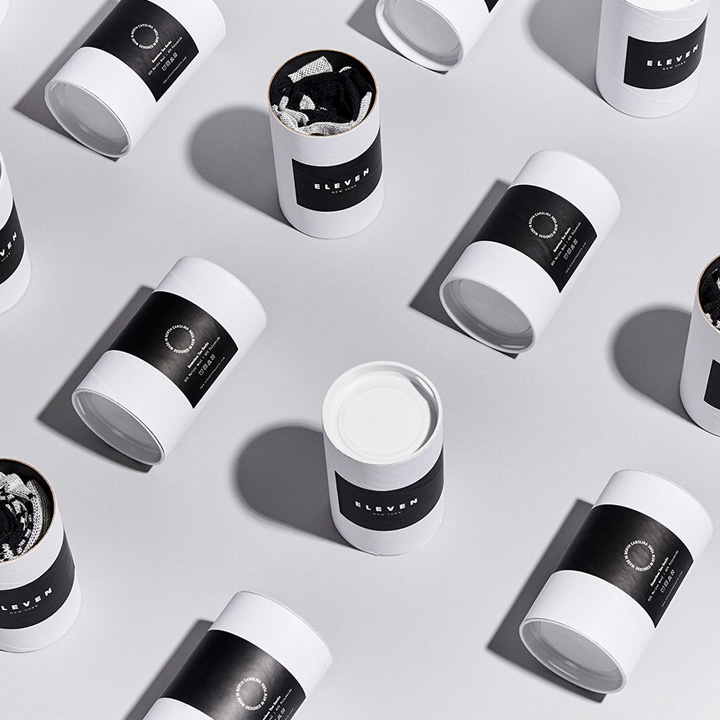
From my experience, the fastest way to reduce cost of custom cardboard tube boxes is painfully unsexy: stop inventing dimensions, stop hero-tolerancing everything, and stop making every SKU a brand-new dieline + mandrel + fit problem, because factories price uncertainty like insurers price drunk drivers. Three-word fragment: Not negotiable.
I’m not anti-custom. I’m anti-random.
What usually wins (and keeps reorders sane):
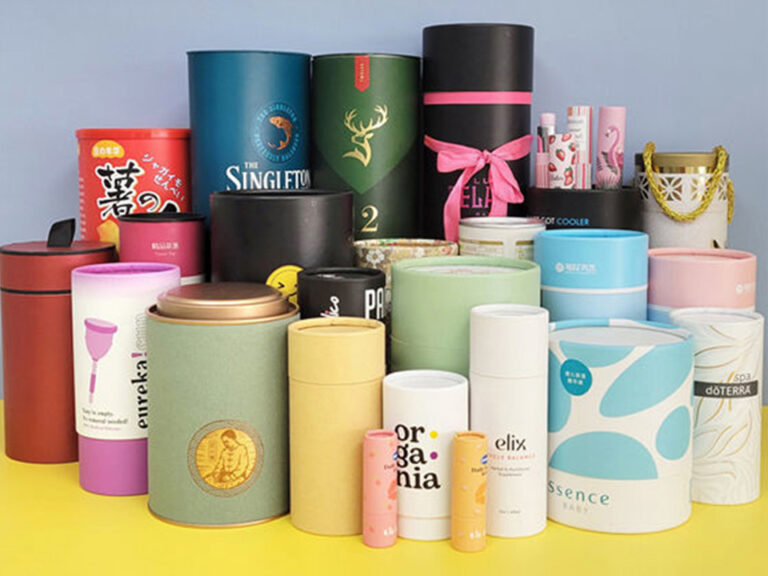
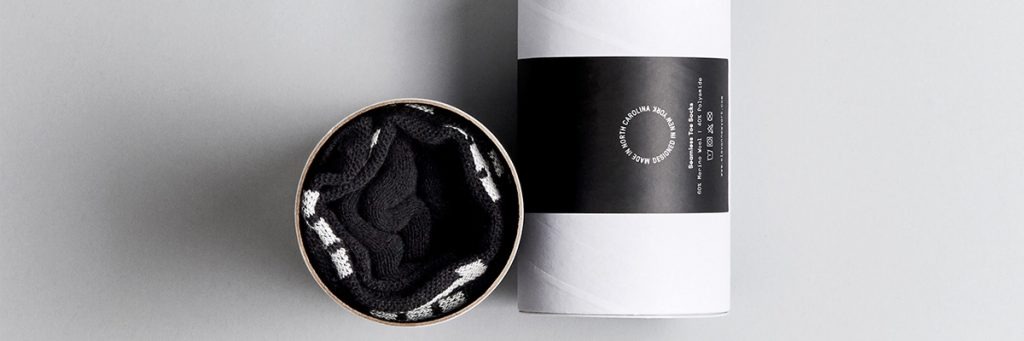
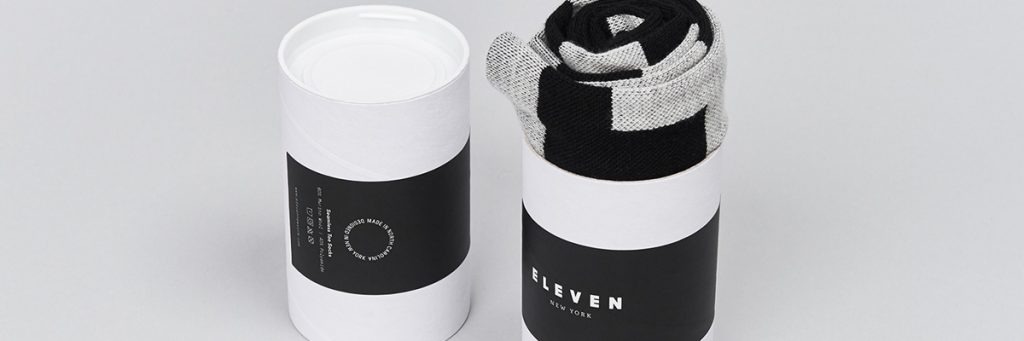
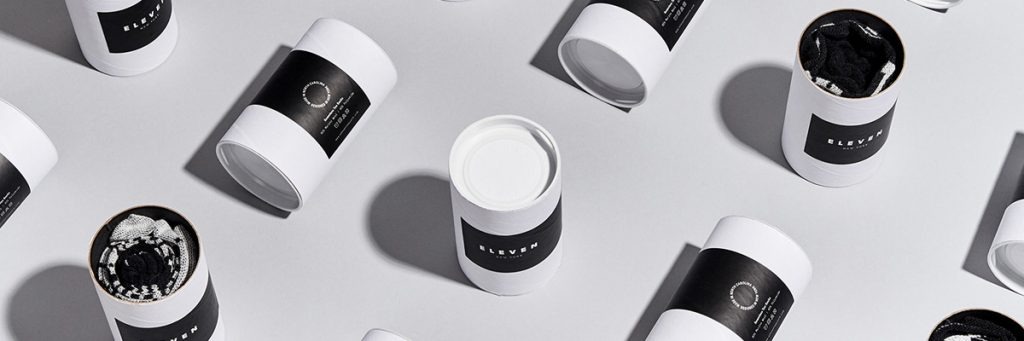
If you’re selling a canister-style format, compare against proven structures like this paper canister packaging format before you go full arts-and-crafts and create a tube only one workshop can run on Tuesdays.
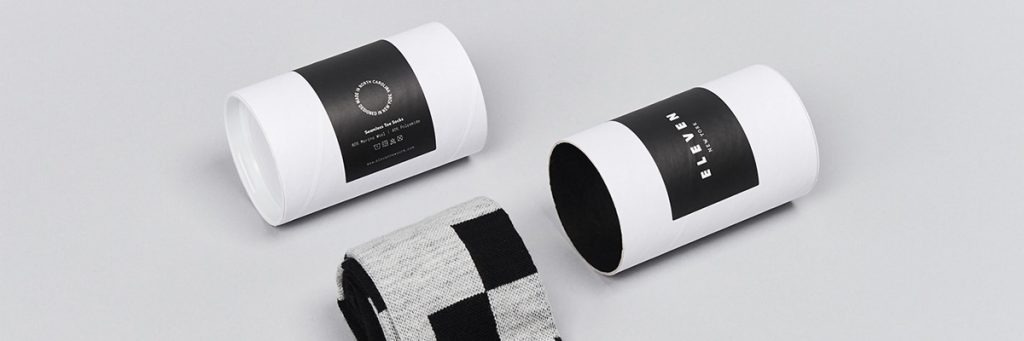
Yet the finish is where people get emotional. Glossy? Matte? Soft-touch? Spot UV? Foil? Emboss? “I want it to feel expensive.” Cool—do you want it to ship expensive too?
Here’s the ugly truth: finishing is a line-speed tax. Every extra pass is a chance for scuffing, registration drift, drying delays, and “why is this batch slightly different?” phone calls. That’s how cardboard tube box packaging cost creeps up while nobody is watching.
I frankly believe matte lamination is overused. Soft-touch films are worse (great photos, lousy real life, and they slow production because operators baby them).
Swaps I push when someone wants “lux” on a budget:
It works. Usually.
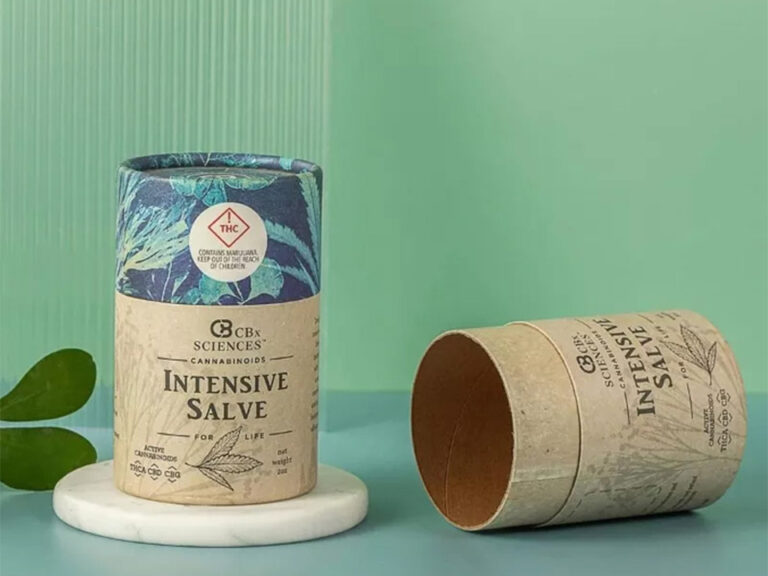
If your brand story leans “natural,” kraft paper tubes can reduce print demands (and your tolerance for color-matching misery).
However, the quote games are real. Some suppliers hand you a single number like it fell from the sky, and buyers accept it because… what else are you going to do, ask questions?
Ask questions.
Single-line quotes hide stuff: plates, dies, molds, make-ready, wash-ups, scrap assumptions, and the quiet little trick where they assume a bigger MOQ than you asked for, then act surprised when you actually want your quantity.
Make them split it:
If they refuse? That’s information. (And it’s not flattering information.)
So… MOQs. Everyone whines about MOQs. But MOQs aren’t just “factory greed”—they’re changeover math, and changeover math doesn’t care about your Shopify launch date.
One long sentence, because it’s the whole point: when you force tiny runs across five SKUs with custom finishes and custom parts, you’re paying for repeated setup, repeated make-ready, repeated mistakes, and repeated scheduling friction, and the factory will protect themselves with price padding or “quality variance” you’ll end up eating. Tiny runs sting.
Moves I’ve seen cut quotes without wrecking the brand:
And yeah—this is how “best ways to save money on custom tube boxes” actually looks in procurement, not on Pinterest.
Let’s talk lids. Because lids are where budgets go to die, then come back as “why is this quote double?”
Lid ranking by cost pain (typical):
If your category needs compliance (vape, supplements, regulated goods), budget for it upfront—don’t discover it after sampling (I’ve seen teams implode over this). If you’re in that world, you’re already in child-resistant tube packaging, and yes, it’s more expensive because it’s slower and fussier and sometimes involves third-party testing nobody priced in.
The part outsiders miss: lid fit is the “premium feel.” Not foil. Not emboss. Fit.
But the invoice doesn’t care what your render looked like.
Freight volatility isn’t theoretical. In 2024, the Red Sea disruption pushed carriers to reroute around the Cape of Good Hope, adding delays and lifting rates on affected lanes. You can have perfect tubes and still miss your shelf date because you treated transit time like a footnote.
Two moves I keep repeating (because they keep saving people):
Also, input prices aren’t your personal feelings. The U.S. producer price index series tied to corrugated/solid fiber box manufacturing moved from 293.040 (Jan 2023) to 335.651 (Dec 2024)—about a 14.5% rise in that window. So if you’re pitching “cost-effective cardboard tube packaging,” pitch it with current numbers, not 2019 memories.
Yet people still do the flag debate: China vs Vietnam vs India vs Mexico. I don’t. I do risk profile—landed cost, lead time, quality drift, tariff exposure, and how quickly you can course-correct when a lane goes sideways.
Tariffs are still a live wire. In September 2024, USTR announced finalized modifications after the statutory four-year review of Section 301 tariff actions on China. And CBP rulings on paper packaging classifications routinely flag that certain China-origin paperboard packaging lines can be subject to an additional 25% ad valorem duty under Chapter 99 references (Section 301 mechanisms), depending on classification/exclusions.
If you’re not checking HTS classification and Chapter 99 references, you’re not “saving.” You’re gambling. (With someone else’s money, usually.)
| Region (typical sourcing) | Cost profile (ex-factory) | Lead time reality (US buyers) | Quality consistency | Tariff / trade exposure (headline risk) |
|---|---|---|---|---|
| China (coastal hubs) | Low–Mid (strong on complex builds) | 30–60 days incl. ocean + buffers | Strong if you lock specs + QC | Higher volatility if Section 301 applies; watch classification/exclusions |
| Vietnam | Mid (often rising) | 28–55 days | Improving; fewer “lux finish” specialists | Lower China-tariff exposure, but capacity constraints |
| India | Mid | 35–65 days | Mixed; great suppliers exist, but variance is real | Generally considered diversification; still audit documentation |
| Mexico | Mid–High | 10–25 days (truck) | Strong for repeat SKUs | Lower ocean shock; trade framework can simplify some lanes |
| USA/Canada | High (labor) | 7–21 days | Strong; easiest communication | Lowest tariff shock; best for fast replenishment |
| EU/Turkey | Mid–High | 20–45 days | Strong finishing options | Depends on destination market rules and duties |
Those ranges are based on what I see in quotes and production calendars; your SKU complexity (metal lids, liners, inserts) can blow them up fast. (And it often does.)
One more data point for the “packaging is tiny” crowd: the Fibre Box Association reports 381 billion square feet shipped in 2024 with $40.8B in shipment value, plus a 2024 average basis weight of 122.1 lb per thousand sq ft—meaning the paper supply chain is massive, but it’s also industrial and price-driven.
Question: what’s the fastest way to light money on fire? Answer: spec like a luxury brand when you’re selling a commodity.
And yeah—if a supplier says “no problem” to everything, that’s not service, that’s a future claim. (Ask your returns team.)
How do you reduce the cost of custom cardboard tube boxes without lowering perceived quality? Reducing the cost of custom cardboard tube boxes means cutting the three biggest drivers—materials, labor steps, and logistics—while keeping the same customer-facing cues (color accuracy, print sharpness, and tactile finish) by simplifying specifications, standardizing components, and negotiating MOQs and freight terms with a supplier matched to your target region. Then remove one finish, one custom part, and one non-standard dimension before you negotiate anything else (yes, in that order).
What is the typical MOQ for custom tube packaging, and why does it matter? MOQ for custom tube packaging is the minimum quantity a factory will run to cover setup time (die cutting, winding, printing plates), material ordering, and line changeovers, so a higher MOQ usually lowers unit price but increases cash tied up in inventory, while a lower MOQ raises unit cost and can restrict finish options. If your design churns a lot, staged customization beats pretending tiny runs won’t hurt.
Which customization options add the most cost to tube boxes? The costliest customization options on tube boxes are the ones that add new tooling or extra handwork—multi-part lids (metal, wood, child-resistant), specialty barrier linings (foil, EVOH), rigid inserts, and premium finishes like foil stamping, embossing, and soft-touch lamination—because they increase setup fees, slow line speed, and raise reject rates when color or registration drifts. Ask what slows the line; that’s your answer (and it’s usually lids + finishes).
Is sourcing tube box manufacturing from China still cheaper after tariffs and freight? Sourcing from China can still be cheaper on paper for complex custom tube specs, but the true landed cost is the unit price plus shipping volatility, longer replenishment lead times, and tariff exposure from U.S. Section 301 actions that USTR has continued to modify after its four-year review, which can erase savings overnight. Run landed-cost scenarios, not vibes.
How can I compare cardboard tube box manufacturers by region? Comparing cardboard tube box manufacturers by region is a structured audit of four variables—factory capability (tube winding diameter tolerance, print and finishing), lead time (production plus ocean or truck transit), landed cost (unit price plus freight and duties), and compliance risk (tariffs, documentation, and product-safety requirements)—so you pick the region that minimizes your total risk-adjusted cost. If a supplier won’t share tolerances and AQL, they’re not a supplier; they’re a gamble.
If you want, we can turn your current spec into a cost-down version in one pass: same look, fewer operations, cleaner sourcing logic. Start with custom packaging services, or send a target price and quantity through contact us for tube box pricing and ask for a line-item quote (tooling + unit + freight assumptions). That’s where the real savings hide.