Stay Updated with Agro Cultures News
Harnessing the Sun’s Endless Power to Sustainably Transform Agriculture
Ready to harness the power of the sun?

But let me start with the part nobody puts on the spec sheet: I’ve stood in a receiving bay at 7:12 a.m., slicing open cartons of “premium” tubes, and the first thing that hit wasn’t the print—it was that stale, gluey smell that tells you the adhesive was off, the liner choice was wrong, and some poor soul is about to relabel an entire batch by hand.
It happens.
Usually.
So, if you’re here because you want paper tube packaging that doesn’t buckle, stink, scuff, or trigger chargebacks, we’re not talking about “design.” We’re talking about process capability, barrier stack choices, and sourcing reality (MOQs, transit, tariffs, the whole headache). And yeah, I’m going to be blunt: most paper tube packaging suppliers will happily sell you a beautiful sample that can’t be repeated at scale.
You still want the eight points? Good.
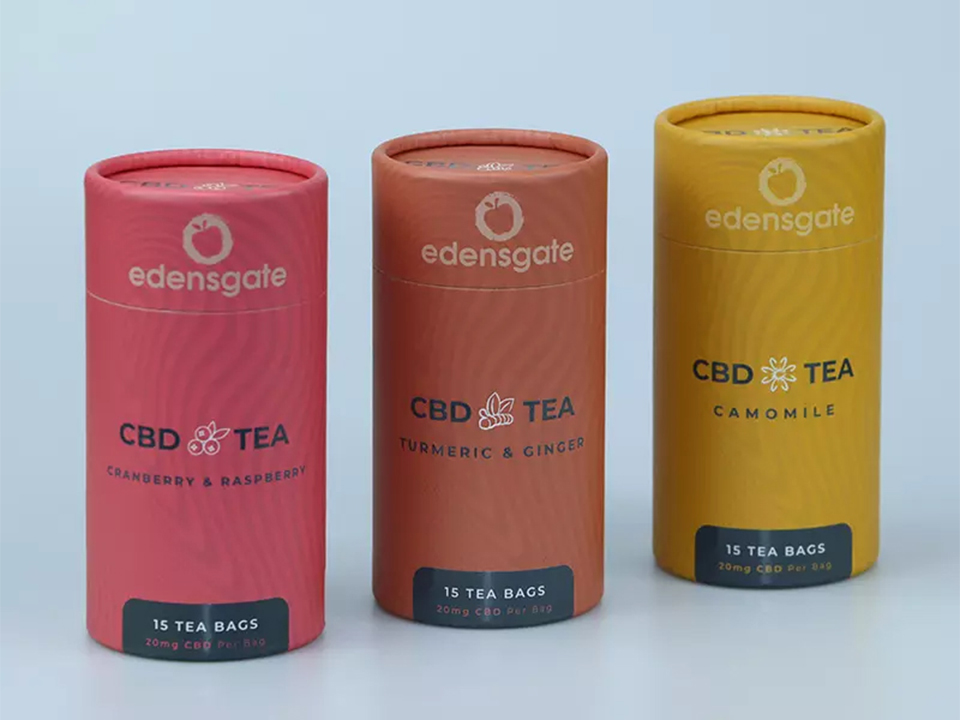
Yet brands obsess over “premium feel” like it’s a religion—then act shocked when the tube collapses at the rim, the lid fit goes sloppy, or the product picks up odor because the board moisture was drifting and nobody locked the spec. That’s the ugly truth. I write specs like a hostile witness statement: what counts as failure, how it’s measured, and who eats the cost when it happens.
Name the enemy first: humidity, oxygen, light, impact, migration. Pick one. Or pick all four and stop pretending.
Here’s where I frankly believe buyers get conned: they think they’re buying “a tube,” but they’re actually buying winding tension control, seam discipline, adhesive behavior, and rim finishing consistency—stuff that only a real paper tube packaging manufacturer talks about without flinching.
Numbers, not vibes:
If your “custom paper tube packaging” brief can’t state tolerances, you’re outsourcing engineering to someone whose job is to close the deal. That’s not strategy. That’s roulette.
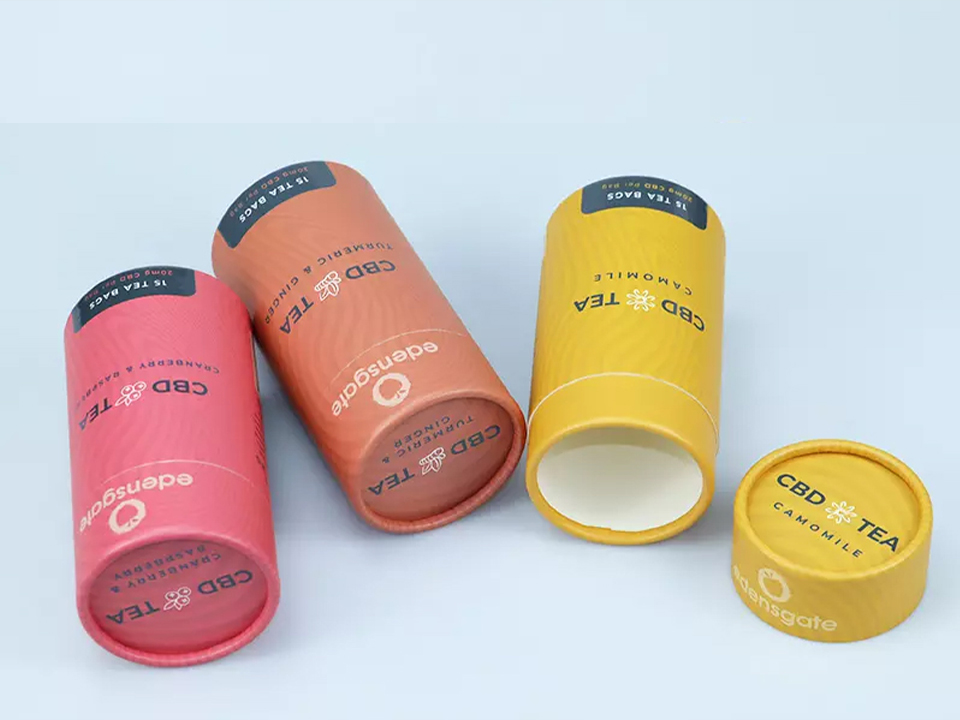
However, the liner is where the “eco claims” go to die—quietly, in a layer nobody sees. Food, tea, coffee, supplements… these aren’t forgiving categories. You’re juggling barrier performance (O₂ and moisture), odor, migration risk, and whatever your market will punish next month.
I’ve seen brands insist on “plastic-free,” then end up with a compromised barrier, rancid notes in the product, and returns blamed on “storage conditions.” No. It was the material stack. And adhesives matter too (yes, they do), because a glue change can smell like a chemical factory if the supplier’s batching is sloppy.
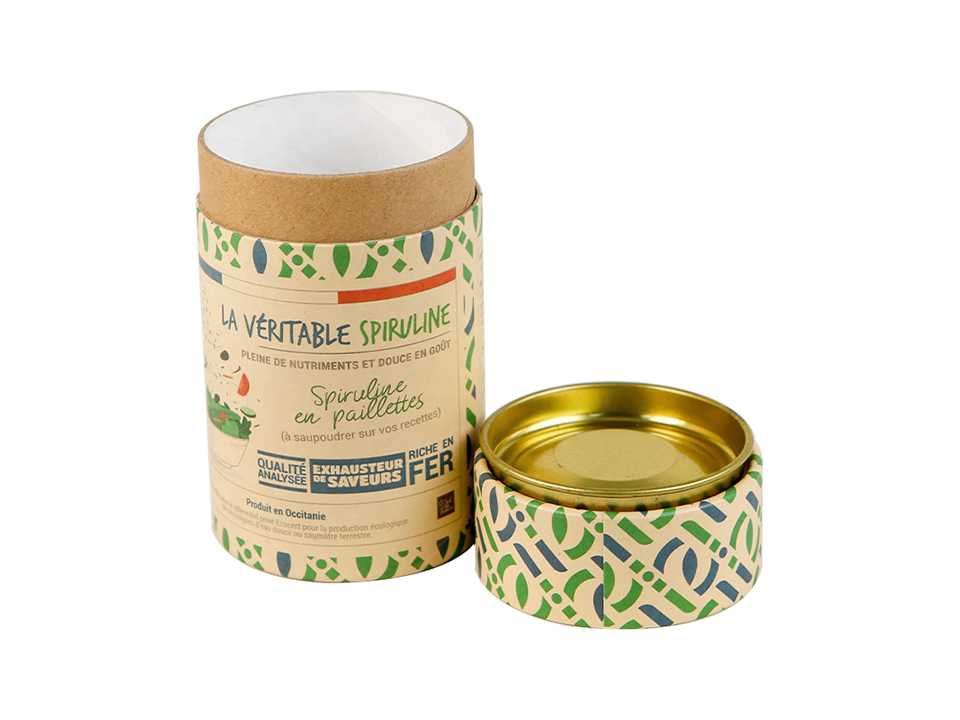
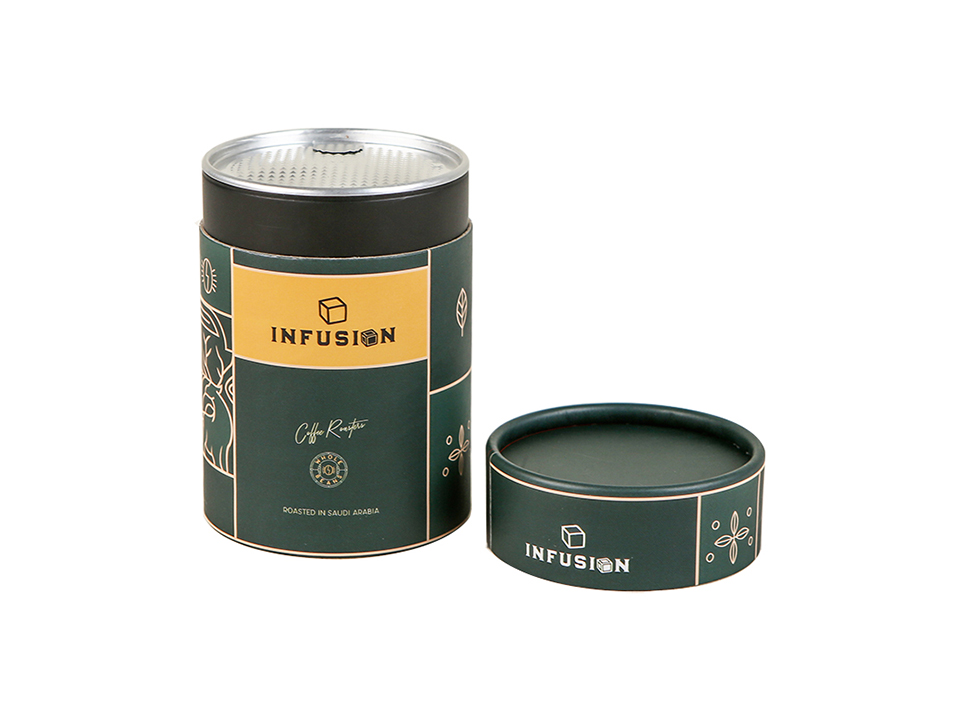
If you want a quick internal reference point for tube formats and liner-minded builds, anchor your team on paper canister packaging and kraft paper tubes, then map each SKU to its actual barrier need (not the marketing need).
So you got the hero sample. Cool. Now make it repeatable—because “looks good on my desk” isn’t a QC standard.
The stuff that bites later:
If your supplier can’t talk ΔE tolerance or show rub/scuff test behavior, you’re getting what I call “Instagram packaging”: photogenic, fragile, expensive to fix.
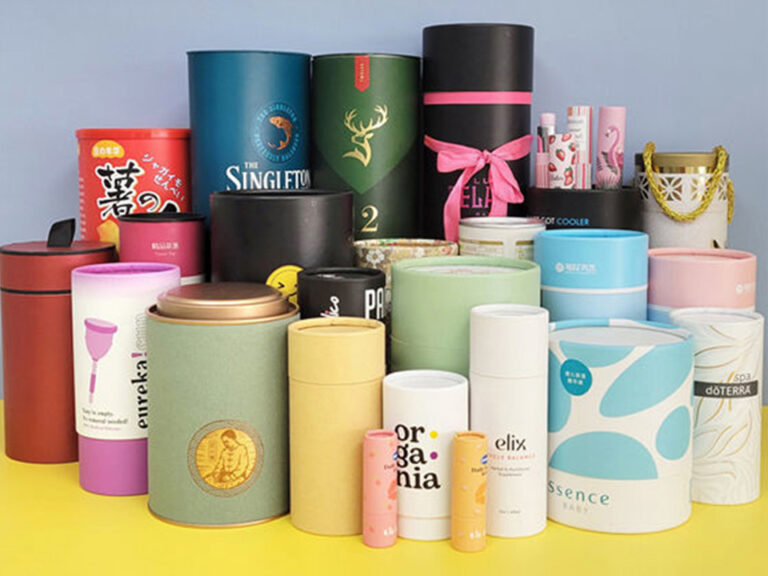
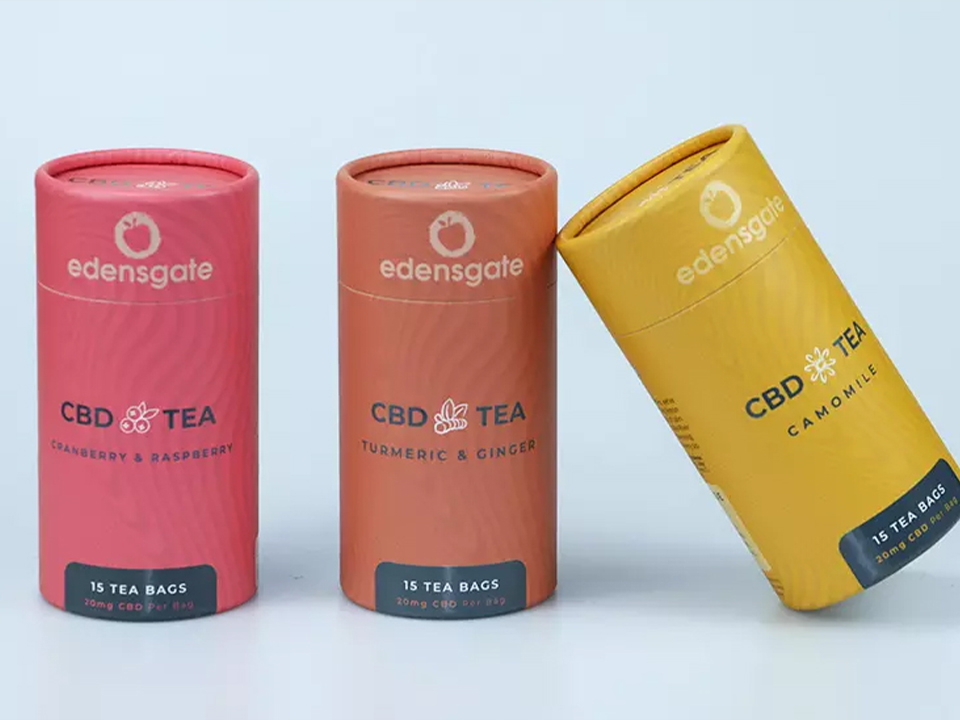
Beauty brands—especially—should stop making this abstract. Use cosmetics paper tubes as the internal catalog anchor so design decisions tie back to real manufacturing patterns, not someone’s Pinterest folder.
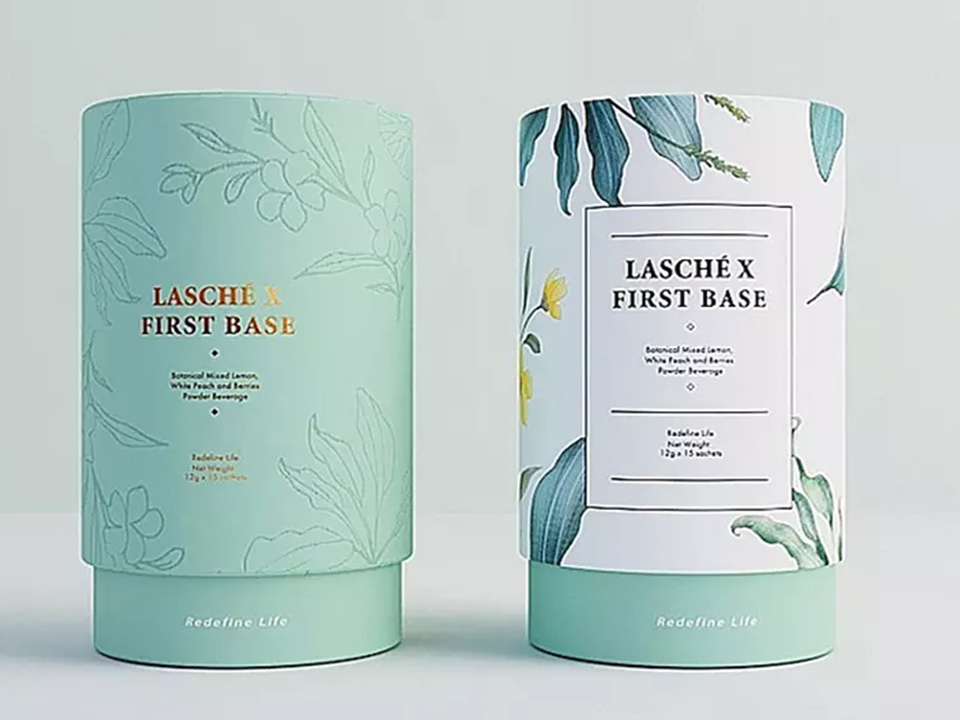
Three words: lids cause chaos.
The lid controls the ritual: open/close force, seal integrity, freshness perception, even whether the tube feels “cheap” or “worth it.” And it’s the #1 complaint generator I see in post-launch feedback—too tight, too loose, warped, edge sharpness on metal, or the classic “fits in summer, fails in winter” because humidity swings weren’t considered.
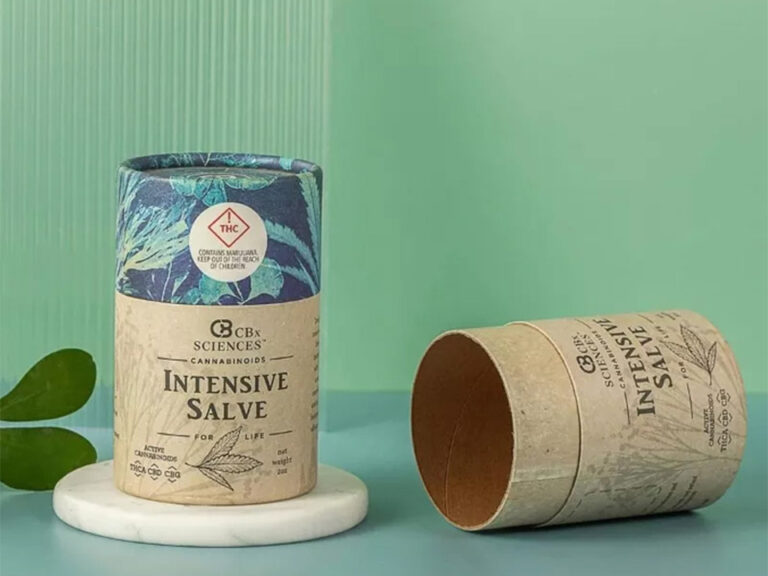
If you have compliance exposure (adult-use adjacent, regulated categories, or anything that needs safety messaging), don’t let it be a footnote. Bake it into your navigation and specs with child resistant tubes so “we should’ve thought about that” doesn’t become your next meeting.
Are you selling a product—or a return reason?
But procurement still gets hypnotized by unit price. I get it. Everyone wants the lowest quote. Then freight spikes, lead times slip, and the “cheap” tube becomes the most expensive object in the building because it delayed a launch.
Quotes aren’t cost.
When you do paper tube packaging sourcing by region, you’re really choosing your pain profile: MOQ discipline, transit variability, tariff exposure, rework risk, and how hard it is to enforce tolerances when something goes sideways. And yes, I’ve watched “savings” evaporate because defect escape rates weren’t tracked—just argued about.
If you want sourcing decisions that survive reality, you need to model: unit price + rejection rate + timeline penalty + reprint risk + buffer inventory. People hate that last part. Too bad.
Yet companies keep treating certificates like magic talismans. A PDF doesn’t control moisture content. A badge doesn’t keep diameters in spec. Process does.
If you can’t visit the factory, force hard artifacts:
The quickest “how to choose the best paper tube packaging supplier” shortcut is brutally simple: ask for their defect data, and then watch how they talk about CAPA. If they can’t explain how they react to failures, they’re not managing quality—they’re managing excuses.
And here’s the quiet sabotage I see constantly: a spec gets “simplified” for speed, somebody swaps a material “equivalent,” and suddenly your lid fit is off, your odor profile changes, or your barrier performance craters.
Write the spec like it’s a contract (because it basically is):
If a supplier pushes back hard, good. Now you’re negotiating physics and process capability, not wishful thinking.
Also: don’t let sustainability claims float around untethered. Keep your own narrative consistent via custom services and sustainability so the sales story doesn’t outrun what the factory can prove.
These are not universal truths; they’re the quote bands and operational patterns I typically see for mid-volume programs (roughly 10k–50k units) when buyers specify tolerances and basic QC instead of hand-waving.
| Region (typical) | Unit price tendency | Lead time tendency | Quality consistency | Tariff / compliance friction | Best fit use-case |
|---|---|---|---|---|---|
| China (coastal) | Low–mid | Mid | Mid–high (varies by factory tier) | Mid–high (depends on destination + HTS) | Complex finishes, many SKUs, fast iteration |
| Vietnam | Mid | Mid–high | Mid | Mid | Brands diversifying risk, simpler constructions |
| India | Low–mid | High | Variable | Mid | Cost-driven basics, longer planning cycles |
| Eastern Europe | High | Low–mid (for EU) | Mid–high | Low–mid (EU alignment) | EU-heavy distribution, faster replenishment |
| Mexico | Mid–high | Low (for US) | Mid | Mid | US-centric programs wanting shorter transit |
If you want a “paper tube packaging cost & lead time comparison” that actually holds up, build it from your own lanes: destination port, incoterms, MOQ, rejection rate, and the cost of a missed launch. That last number is usually the biggest line item—and people pretend it’s zero because it’s embarrassing.
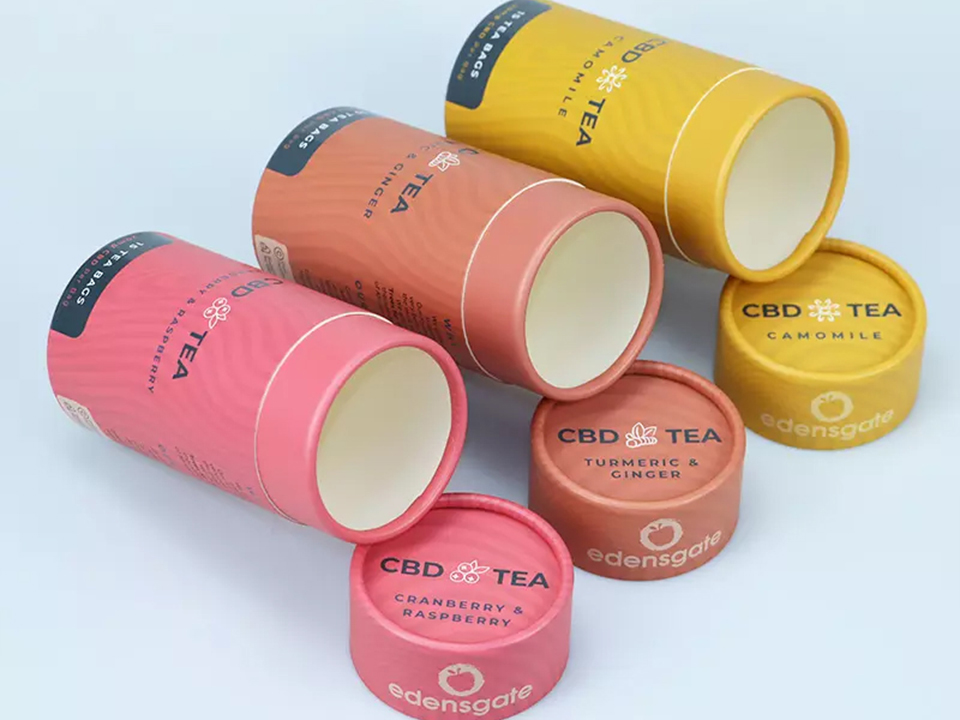
Paper tube packaging is a cylindrical package made from wound paperboard (spiral or convolute) with a lid system, often combined with liners (PE, foil, or composite layers) to manage barrier needs like moisture and oxygen, and used for products such as tea, coffee, supplements, cosmetics, and gift items.
Paper canister packaging is typically a functional, often barrier-focused tube format designed for storage and freshness, while cardboard tube packaging is a broader term that includes decorative or gift-style tubes that may prioritize printing and rigidity over barrier performance; both rely on paperboard winding, adhesives, and lid fit.
Choosing the best paper tube packaging supplier means selecting a manufacturer whose process controls can repeatedly hit your tolerances, barrier requirements, and print standards at scale, backed by documented QC data, sampling standards, and corrective-action behavior—not just attractive samples or generic certificates.
The most important specifications for custom paper tube packaging are dimensions and tolerances (ID/OD/height/out-of-round), wall thickness and ply structure, liner and adhesive stack (odor/migration risk), lid type and fit targets, print/finish durability metrics, and the defined acceptance criteria and inspection plan.
Paper tube packaging sourcing by region is the practice of selecting manufacturing locations based on total landed cost, lead time, quality escape risk, compliance/tariff exposure, and replenishment speed, rather than unit price alone; the “best” region depends on your destination market, SKU complexity, and tolerance for delays.
“Sustainable” paper tubes are not automatically recyclable because coatings, foil liners, plastic layers, and certain adhesives can reduce recyclability or require specialized streams; the realistic answer depends on the exact material stack, local recycling infrastructure, and whether claims are backed by documentation instead of marketing language.
If you want, I’ll pressure-test your current spec the way an auditor would: tolerances, liner stack, QC plan, and a sourcing playbook that matches your target market. Start by pointing me to your current tube format and product category—then use اتصل بنا to route the request to the right team on your side.