Stay Updated with Agro Cultures News
Harnessing the Sun’s Endless Power to Sustainably Transform Agriculture
Ready to harness the power of the sun?

People love the word “paper.” Procurement loves the word “spec.” And marketing? Marketing loves any word that can sit next to a leaf icon without the legal team coughing.
Last year I watched a brand blow six figures of inventory because their “paper can” spec ignored humidity, liner seam, and lid fit across two factories, and the result was soft walls, popped seams, and oxidation complaints that QA couldn’t replicate on the bench. Really, really bad.
So yeah—paper cans can be excellent. I frankly believe they’re one of the smartest rigid formats for dry goods when you build them like a system (not a craft project). But if you treat a paper cylinder like it’s “just paper,” you’re buying future pain.
But here’s the thing. Cylinders cheat.
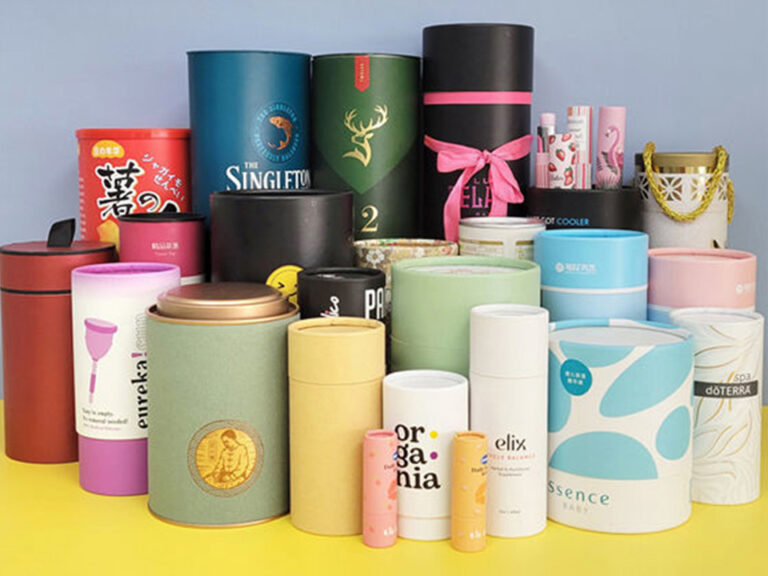
A rigid tube doesn’t just “look nicer.” It telegraphs structure, value, and intention—vertical silhouette, clean edges, stable facing, and a 360° print wrap that doesn’t turn into wrinkled soup the moment a stocker squeezes the pack. Ever seen a premium pouch look premium after a week on shelf?
If you’re building a line, start with a stable base format like a custom paper canister packaging option and standardize diameters/heights across SKUs so you can swap graphics and finishes without rebuilding the whole system.
Dents matter.
Paperboard cylinders don’t dent like thin metal; they scuff, they bruise, they crush if you cheap out on wall build, but they avoid that sharp crease damage that makes a pack look “returns bin” on arrival. And on dry goods—tea, coffee, powders—you’re usually fighting shelf wear and parcel handling, not internal pressure.
However (and I’m not being cute here), your structure is only as good as your weakest interface: glue line, seam overlap, board caliper consistency, rim roundness. This is where suppliers will “optimize” your BOM and you won’t notice until your COA looks fine but your field complaints spike.
This is where adults stop arguing about vibes and start arguing about numbers.
Most “paper cans” are composite builds—paperboard body plus liner plus closure—and that’s exactly why they work: you can tune moisture resistance, oxygen barrier, aroma retention, and light protection based on what you’re shipping and how long it sits. That’s the point of a composite paperboard can. Not the Instagram story.
Yet. Don’t overpromise. If you’re doing hygroscopic powders or aroma-sensitive blends, the lid system (fit + seal) will do more for shelf life than your pretty outer wrap, and a sloppy torque spec or a wobbly plug can undo your barrier stack in one sad click.
Real-world case study: in January 2024, Sonoco and Kellanova talked publicly about a redesigned Pringles tube intended to be paper-based and more compatible with paper recycling systems—proof that big brands aren’t treating paper cylinders as a side quest.
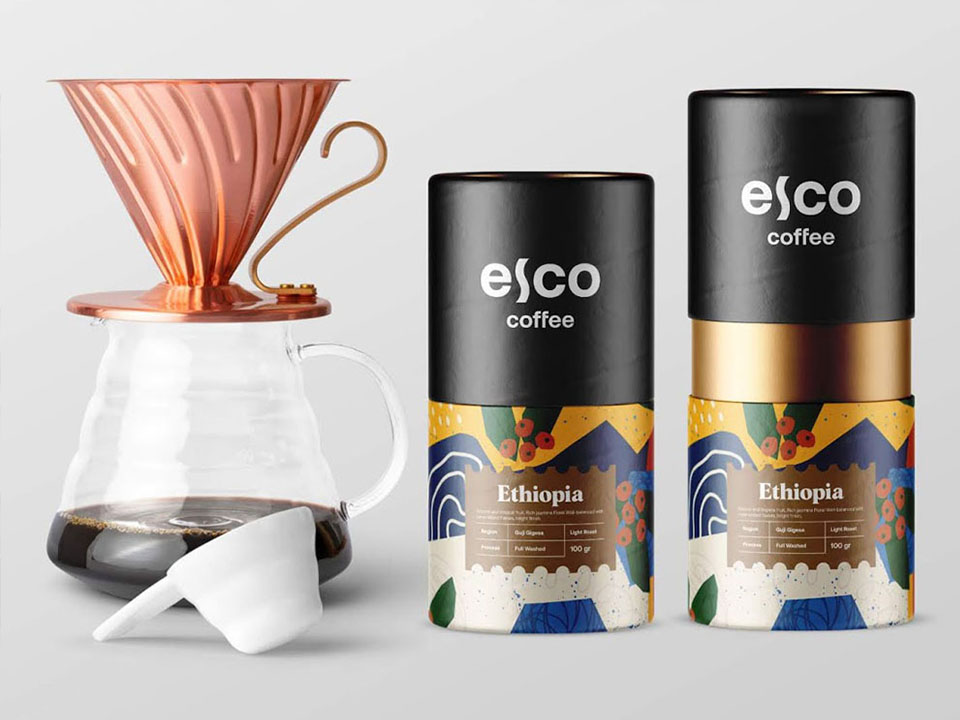
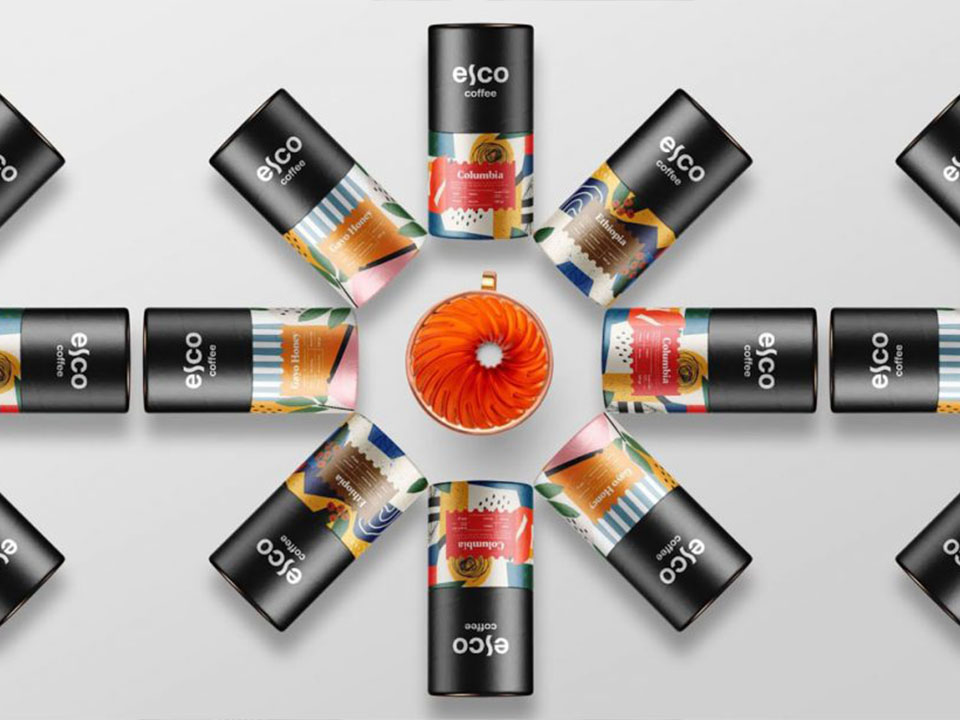
If you’re packaging aroma-sensitive SKUs, don’t guess—use proven formats like tea paper canisters with secure closures or coffee paper tubes designed for premium roasts, then work backward into liner and lid specs that hit your shelf-life target.
I’ll say it plainly: people buy with their hands.
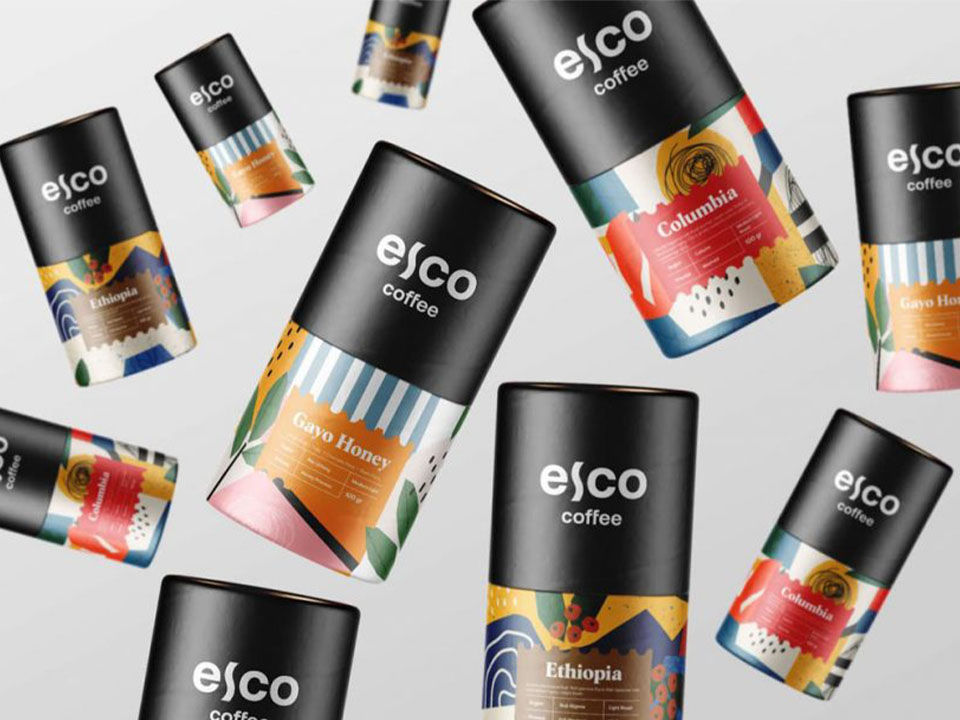
Paper cans give you tactile finishing options that metal struggles to match at the same price band—soft-touch lamination, embossed logos, textured wraps, matte finishes, foil accents—without the glare issues and “commodity can” feel that shows up fast in crowded categories. That’s why paper can packaging advantages show up in premium aisles first (coffee, tea, supplements, skincare).
So. Here’s the ugly truth. If your closure feels cheap—loose fit, squeaky friction, warped rim, inconsistent snap—the whole premium story collapses in two seconds. No one cares that your outer wrap was gorgeous if the lid screams “factory sample.”
This is the trap.
In 2023–2024, environmental claims and recyclability labeling started getting treated less like marketing copy and more like something you’ll have to defend with evidence—collection reality, processing pathways, end-market acceptance, the whole chain. When consumers ask “are paper cans recyclable,” what they’re really asking is: “Will my local system actually take this, or am I being played?”
From my experience, the brands that get burned aren’t the ones using composites—they’re the ones pretending composites are simple. If your can needs disassembly steps, say it. If it’s liner-heavy, disclose it. If you don’t know what happens at the MRF, don’t write bold promises on the pack.
If you want to frame this properly on-site, build your narrative around engineering decisions, not slogans, and keep it consistent with your sustainability positioning.
Procurement likes options. Ops likes predictability. Legal likes consistency. Marketing likes novelty. You don’t get all four unless you’re disciplined.
A paper can is modular—body, liner, closure, decoration—so you can dual-source components, shift converting between regions, and keep a format stable while iterating finishes and print. That’s why I see paper cylinders used as a supply-chain hedge as much as a sustainability play.
But. (Always a but.) If you swap suppliers without change control, your tolerance stack-up will drift: lid fit gets weird, seams start “smiling,” peel membranes lift, moisture creep shows up at month four, and suddenly your “equivalent” can is not equivalent at all. If you expect to multi-source, lock tolerances, define acceptable substitutions, and run the program through custom packaging services so every factory can’t freestyle your spec.
| Advantage | What you gain | What to verify before you commit |
|---|---|---|
| Shelf impact | Premium look, stable facing, 360° print | Print durability, scuff resistance, color consistency across lots |
| Structure | Less sharp denting vs thin metal; better stacking vs pouches | Crush strength, rim stiffness, seam integrity under humidity |
| Tunable barrier | Liner/closure system matched to product needs | Oxygen/moisture targets, aroma retention, closure torque/fit tolerances |
| Brand finishing | Tactile premium effects at reasonable cost | Lead times for special finishes, minimum order quantities, defect rates |
| Compliance posture | Easier to justify fiber-forward messaging when engineered honestly | Claim language, material disclosure, local disposal instructions |
| Sourcing flexibility | Component-level hedging and regional optionality | Supplier change control, tolerance stack-up, QA sampling plan |
Paper cans are rigid cylindrical packages made from spirally wound paperboard paired with a barrier liner and a fitted end-closure, and their recyclability depends on whether the composite materials can be separated or repulped in real collection systems—so “recyclable paper cans” is a design-and-infrastructure question, not a marketing claim. If your can uses foil or multi-material liners, you must be explicit about disposal guidance and avoid implying curbside recyclability where it isn’t consistently true.
Composite paperboard cans are paperboard cylinders engineered with additional functional layers—commonly PE, EVOH, or aluminum-foil barriers—plus metal or plastic closures to control moisture, oxygen, aroma, and handling damage, making them a popular format for tea, coffee, powders, snacks, and personal care where rigid presentation matters. They’re “paper” structurally, but they behave like a system (liner + lid + seam), not a single material.
Paper cans vs aluminum cans is a packaging decision where “better” depends on product physics and your line setup, because paperboard composites excel for dry goods needing shelf presence and tuned barrier properties, while aluminum dominates when you need pressure resistance, high baseline barrier, and established high-volume canning ecosystems. For carbonated beverages, aluminum is still the default for a reason—don’t get cute.
The advantages of paper cans for coffee, tea, and powders come from combining rigid structure with a configurable liner and closure system, enabling aroma retention, moisture control, premium shelf impact, and better shipping stability than pouches—while also giving brands a 360° printable surface that supports high-end finishing and strong differentiation. That’s why categories like coffee paper tubes and tea paper canisters keep expanding in premium retail.
Compliance risk arises when a paper can’s marketing implies broad recyclability or environmental benefit without matching the composite structure, local disposal reality, and evidence standards emerging across 2023–2024 regulations, because enforcement increasingly targets vague or unsupported claims that mislead consumers about how packaging is processed after use. If the can requires special separation steps, say that plainly—or don’t say it at all.
Sourcing location should shape your paper can strategy because cost is only one variable; lead time, humidity exposure during transit, closure fit consistency, adhesive chemistry control, and tariff volatility all influence whether your composite cylinder performs reliably at scale, especially when different regions substitute materials or processes without strict change control. If you expect to dual-source, lock tolerances and define acceptable alternates upfront.
If you want paper cans to work, don’t start with a “green” tagline. Start with a spec.
Browse proven category builds like protein powder paper canisters and then pressure-test liner choice, closure fit, and claim language against your actual markets. When you’re ready, use the contact page and send your requirements: product type, target shelf life, humidity exposure, and shipping lanes.