Stay Updated with Agro Cultures News
Harnessing the Sun’s Endless Power to Sustainably Transform Agriculture
Ready to harness the power of the sun?

Packaging is politics. Because the moment you choose a rigid paper tube canister, you’re also choosing a closure system, a barrier strategy (or pretending you are), a supplier capability tier, and—quietly—your exposure to tightening rules on re-use, waste reduction, and “forever chemical” inputs that procurement teams keep discovering after sampling. So why do so many tea brands still spec a pretty tube that leaks aroma like a sieve?
I’m going to be blunt: most “eco-friendly tea packaging tubes” are sustainability theater unless the barrier and coating story is clean, documented, and aligned with where you ship. The EU is actively pushing packaging toward waste reduction and re-use targets (and it’s not a vibes-based policy). Minnesota, meanwhile, has already put dates on PFAS prohibitions that directly touch food packaging—meaning your “grease-resistant” paper choices can turn into a compliance headache if you’re sloppy.
And then there’s sourcing. Freight rates and route disruptions didn’t retire after COVID; UN trade officials were still documenting 2024 freight spikes and knock-on price effects, which is exactly why lead time “promises” from a far-away converter can be fictional when lanes seize up.
Below are the six paper tube packaging designs I see winning in the real market—plus what breaks, what it costs, and what to demand from a factory before you wire a deposit.
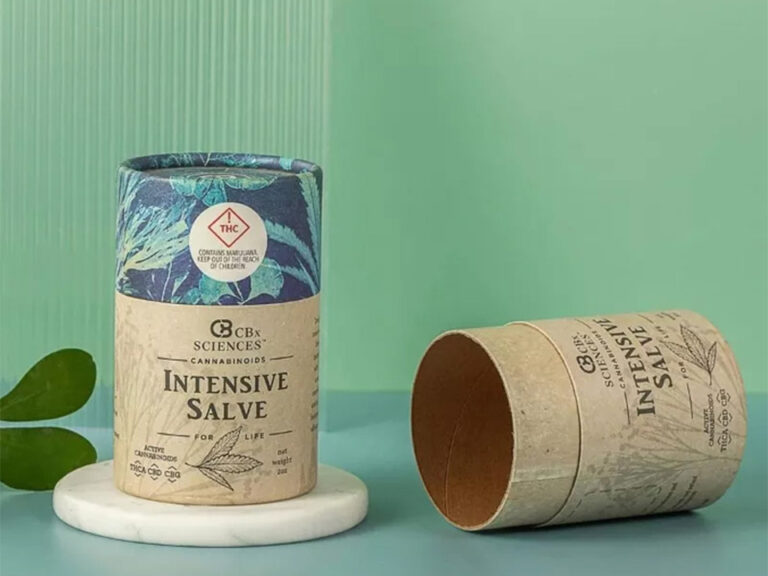
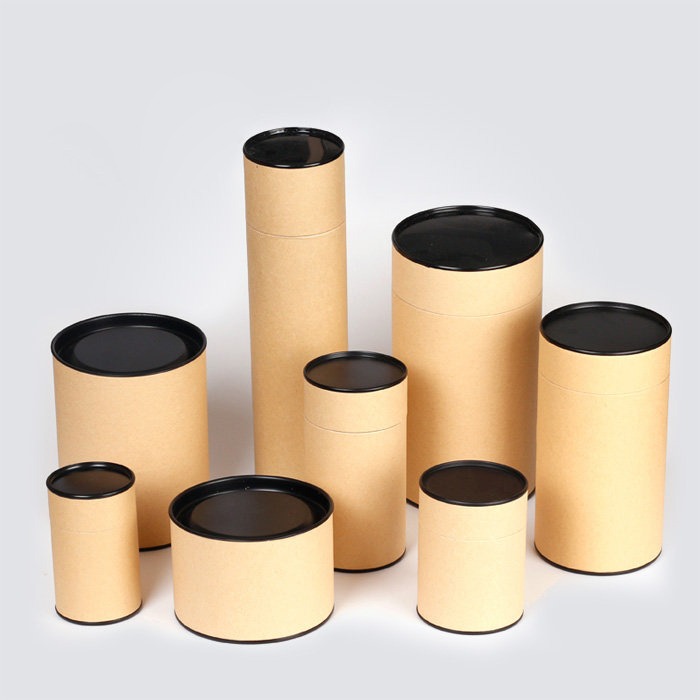
This is the baseline: a cylindrical tea packaging tube with an outer body and a slightly oversized cap that slides over the top. It’s cheap-ish, fast to sample, and looks premium on a shelf because consumers read “tube” as “gift.”
Hard truth: it is not a freshness system unless you add one (inner pouch, liner, or sealed plug). Friction lids drift with humidity and board variability; a 0.3 mm tolerance swing turns “nice fit” into “falls off in transit.”
Where it shines:
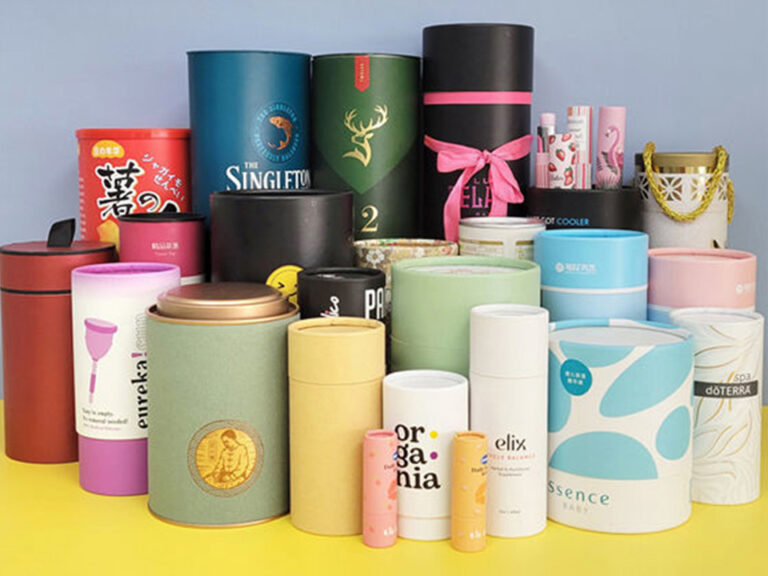
If you want examples of the common construction patterns buyers ask for, start with a broad paper canister packaging reference and then narrow to tea-specific SKUs. paper canister packaging options
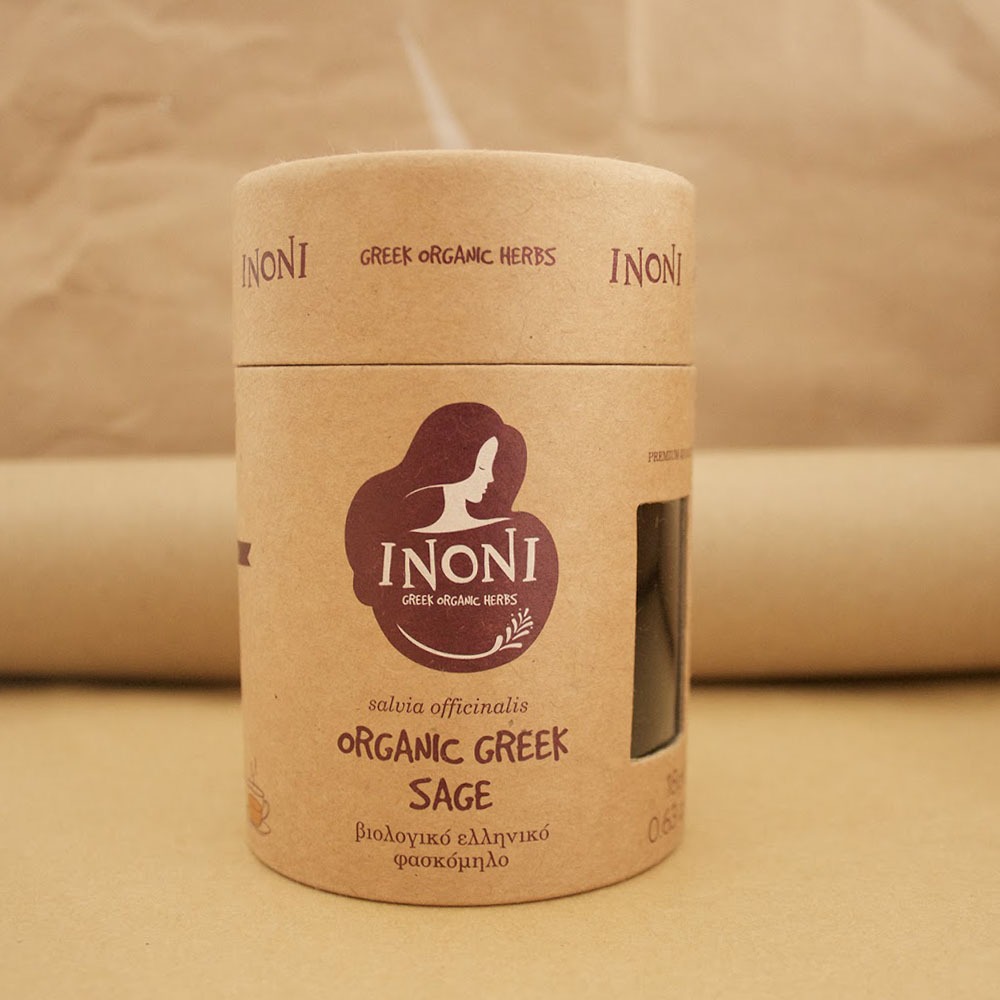
Now we’re talking about an actual closure system. Composite can packaging borrows from snack canisters: paperboard body, metal end(s), and a lid interface that seals consistently.
Why buyers like it:
Where buyers get burned:
If you’re considering this route, look at a tea-targeted metal-lid build, not a generic tube page. metal lid paper tube box for tea packaging
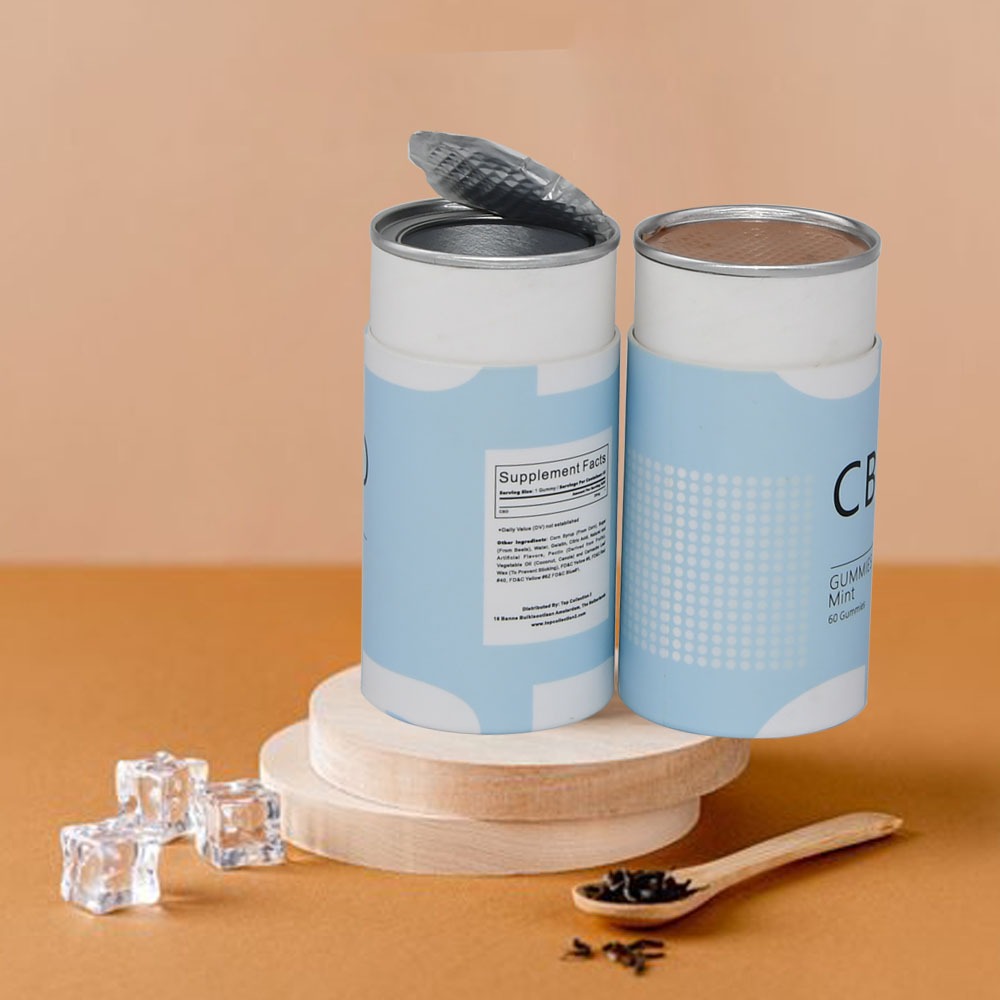
This is the sleeper hit for modern tea brands: a rigid tube canister with a peel-off opening—often paired with an inner seal—so the first-open experience signals freshness and integrity.
Why it wins commercially:
What to interrogate in the spec:
If you want a supplier-facing reference point for this closure style, use a tea-specific peel-off build. custom peel-off lid paper tube for tea
Tea loses money in one direction: aroma out. If you sell higher-end oolong, jasmine, matcha blends, or anything scented, a bare paper tube is a liability unless you isolate the product with a real barrier.
The common move: aluminum foil lining (often a foil-laminate liner) inside the paper tube body. Aluminum is basically the “hard stop” for oxygen and aroma transmission compared with fiber alone, so your shelf-life story is instantly easier—if the seal and seams are done right.
What brands don’t like (but need to face):
A practical supplier reference for this design family is here: food-grade aluminum foil lining tea paper tube packaging
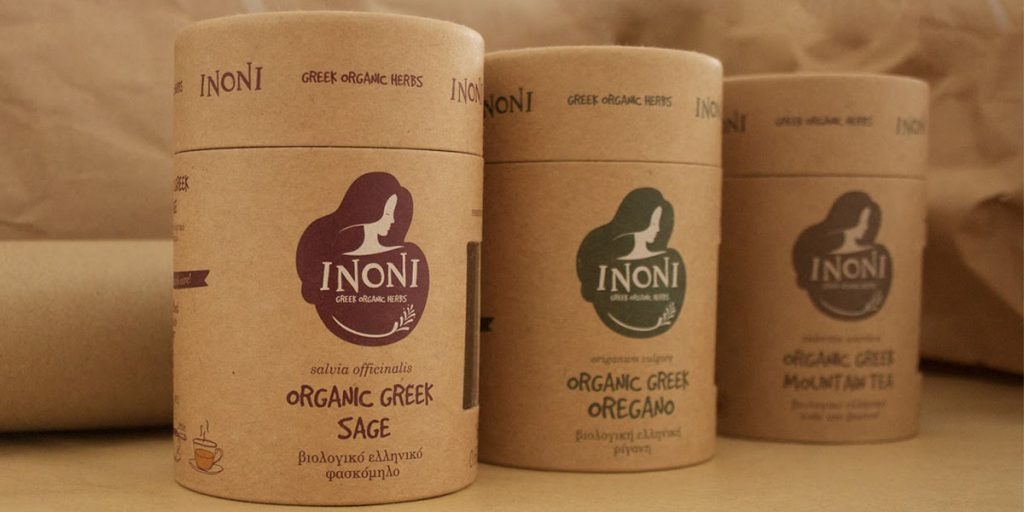
Kraft sells “organic.” Everyone knows it. The problem is that kraft also sells quality roulette if your sourcing team treats kraft board like a commodity instead of a controlled input.
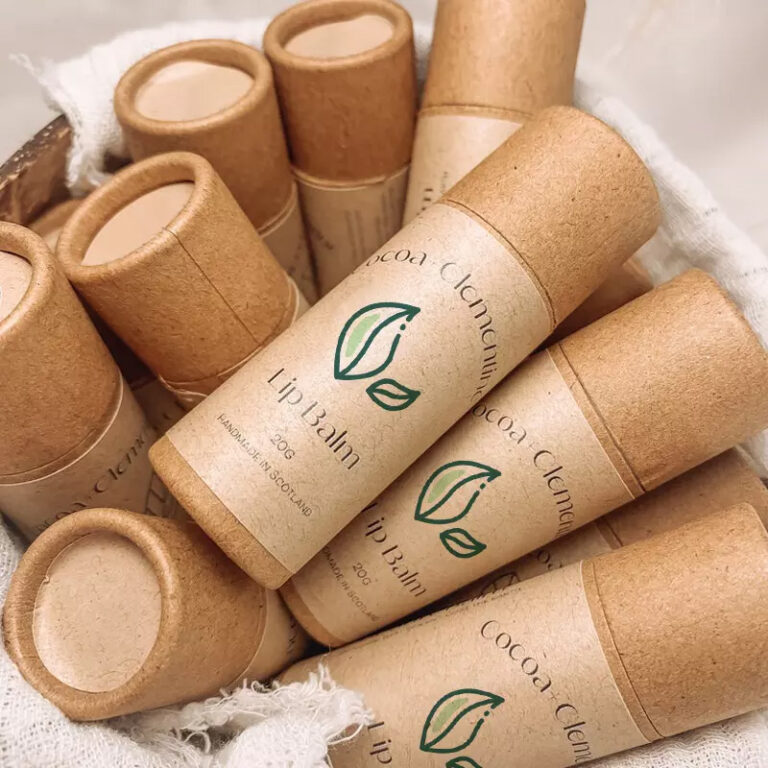
Why I still like kraft paper tube design for tea:
What to watch:
If you’re building a kraft-forward line, use a category page to keep options open before locking a single SKU. kraft paper tubes for premium tea
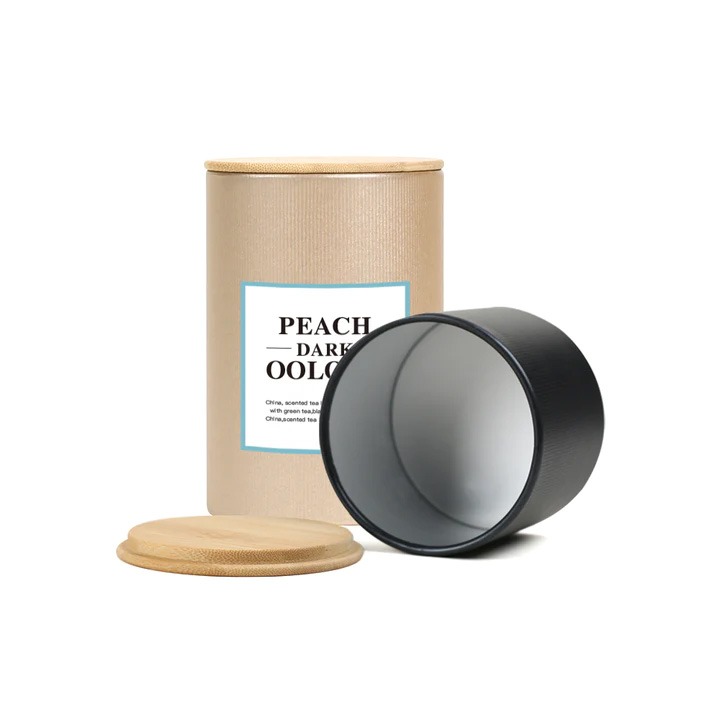
I’m counting this as a design type because, in practice, it’s what serious tea brands do when they stop losing margin to stale inventory.
The structure:
Why it’s the insider move:
If you want a tea-specific browsing hub for these builds, use: tea paper canisters
Design doesn’t exist in a vacuum. Your sourcing location determines whether your supplier can actually hold tolerances, source compliant coatings, and hit lead times when shipping lanes go sideways.
In 2024, UN trade analysts were still describing freight-rate surges and route-driven cost shocks; if your tea seasonality is tight, a “normal” ocean lead time can turn into a boardroom argument.
And regulation is getting sharper. The EU has moved beyond polite recycling goals into binding rules aimed at reducing packaging waste and scaling re-use; you can’t wave that away with a leaf icon on the label. In the U.S., state-level chemical restrictions are already live on food packaging categories (Minnesota’s PFAS prohibition dates are not hypothetical), so your coating and grease-resistance choices need documentation.
The ranges below are directional, based on common RFQ patterns (think 5,000–20,000 units; ~75 mm diameter × 120 mm height; standard CMYK + matte lam). Your quote will move with print coverage, board thickness (1.2–2.0 mm), lid hardware, and barrier stack.
| Design type | Closure feel | Barrier reality | Best for | Typical pain point | MOQ tendency |
|---|---|---|---|---|---|
| Telescoping friction lid | “Gift tube” premium | Low unless you add inner pack | Fast-turn loose leaf | Lid looseness, aroma loss | Low–mid |
| Composite can packaging (metal lid) | Crisp, consistent | Medium–high with seal | Premium retail lines | Metal supply + messaging complexity | Mid |
| Peel-off lid tube | Tamper-evident, clean | Medium–high (with liner) | DTC, subscriptions | Adhesive/odor + reclose plan | Mid |
| Foil-lined barrier tube | Premium + “fresh” story | High | Scented / delicate teas | Recyclability claims get tricky | Mid–high |
| Kraft paper tube design | Natural / minimalist | Low unless layered | Organic positioning | Shade/odor variability | Low–mid |
| Tube + inner pouch system | Depends on outer lid | High (pouch does work) | Serious shelf-life SKUs | Added components, assembly steps | Mid |
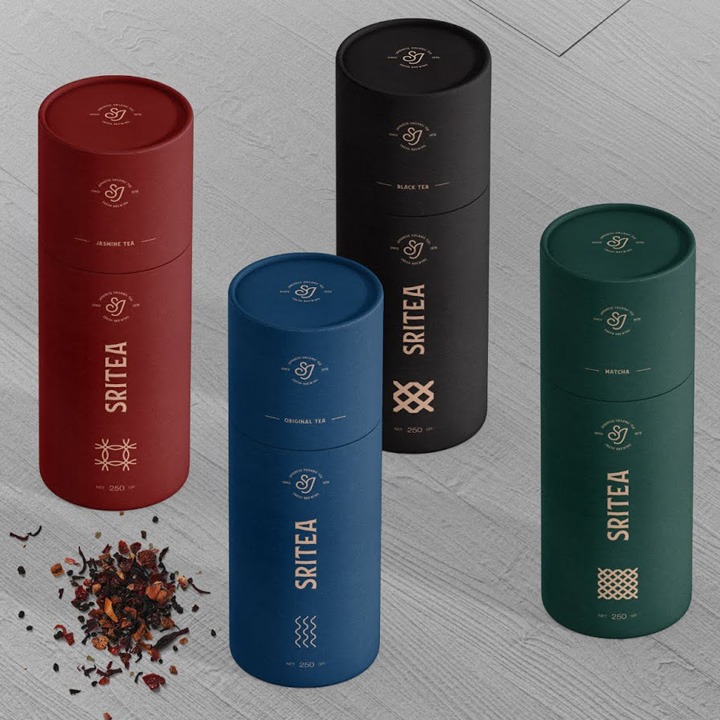
The best paper tube designs for tea packaging are rigid tubes that pair strong shelf appeal with a real barrier strategy—typically a composite can or peel-off lid system, plus a foil-laminate liner or inner pouch—so aroma retention, tamper evidence, and reclose performance are engineered rather than assumed. If your tea is scented or premium, I bias toward foil-lined tubes or an inner pouch system; if it’s fast-turn and price-led, telescoping tubes can work—just don’t lie to yourself about freshness.
Foil-lined paper tubes are mixed-material packs where fiber recyclability depends on whether the liner can be separated and how local systems treat composite structures, so “recyclable” claims often require qualified language, testing, and region-specific guidance rather than a blanket statement. If you sell into the EU, be extra cautious: packaging rules are tightening around waste reduction and design choices, and enforcement pressure is trending up.
A metal lid system prioritizes consistent reclose feel and structural stability, while a peel-off lid system prioritizes first-open tamper evidence and perceived freshness; your decision should be driven by shelf-life need, unboxing experience, and whether you can validate adhesive and odor performance for tea. If you’re shipping long distances or storing inventory, metal lids win on repeatable fit; peel-off lids win when “freshness theater” needs to be backed by a real seal.
PFAS risk matters when your paperboard, coatings, or grease-resistance treatments include intentionally added fluorinated chemistry, because state-level restrictions and reporting timelines are already active in parts of the U.S., making documentation and material declarations a procurement requirement, not a “nice-to-have.” Minnesota’s dates are the warning shot: bans on intentionally added PFAS in food packaging took effect January 1, 2024.
Tea tastes flat in a paper tube when volatile aromatics diffuse out or oxygen diffuses in through fiber-based structures and imperfect closures, especially under humidity swings, because paperboard is not a high barrier and friction lids rarely maintain a tight seal across real-world storage conditions. Fix it with a barrier liner (foil laminate) or move the barrier job to an inner pouch; then treat the outer tube as branding + protection.
Custom paper tube packaging MOQs depend on tube diameter/height tooling, print/finish complexity, and whether you add specialized lids or liners, but many factories quote lower MOQs for simple telescoping tubes and push higher MOQs for foil-lined, peel-off, or metal-lid builds due to component supply and setup time. If a supplier offers “any MOQ” on a complex build, I treat it as a yellow flag and ask how they’re amortizing tooling and QC.
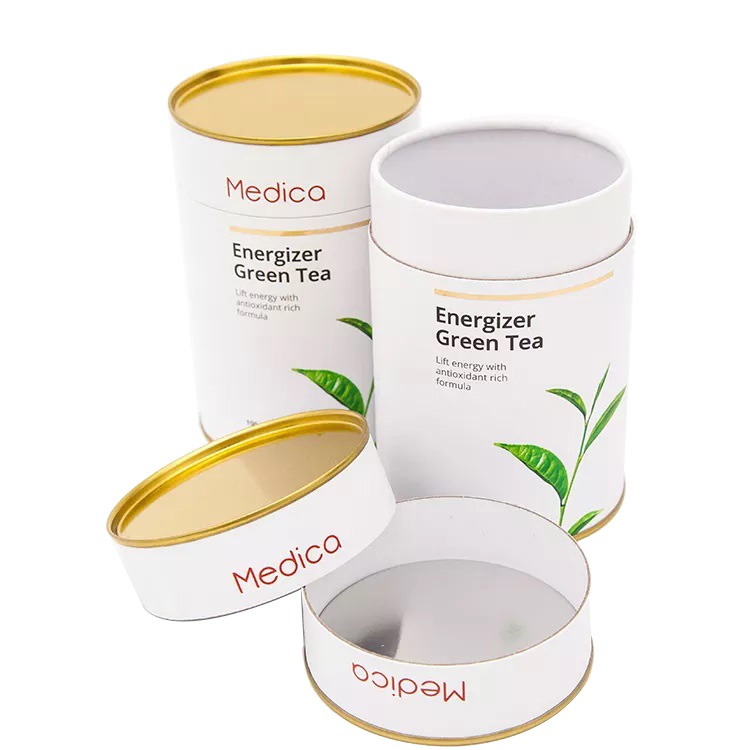
If you want this done the way professionals do it—spec first, aesthetics second—start by comparing your options across actual tea builds: tea paper canisters and the broader paper canister packaging catalog. When you’re ready, push the factory on tolerances, liner stack, and compliance paperwork through custom services for paper tube packaging or go straight to Nous contacter with your size, target MOQ, and shipping markets.