Stay Updated with Agro Cultures News
Harnessing the Sun’s Endless Power to Sustainably Transform Agriculture
Ready to harness the power of the sun?

Looks premium. But I’ve watched “premium” paper tube packaging fail in the most boring way possible: a 20 μm foil liner that wasn’t heat-sealed consistently, humidity got in at 78% RH, the powder clumped, refunds rolled in, and the brand still tried to blame “shipping.” So—are we talking aesthetics, or outcomes?
Here’s my hard take: paper tubes win when you treat them like a composite system (board + liner + closure + tolerance stack), and they lose when you treat them like a pretty cylinder you can source anywhere.
Before we hit the examples, one data point that should sting a little: the EU generated 79.7 million tonnes of packaging waste in 2023 (about 177.8 kg per person), and paper/cardboard was the biggest share at 40.4%. Paper is big business. And regulators noticed.
In March 2024, the EU Council and Parliament struck a provisional deal on the Packaging and Packaging Waste Regulation that goes straight at the stuff brands love to ignore: 50% max empty space in grouped/transport/e-commerce packs, packaging minimization requirements, and tighter rules around substances (including PFAS limits for food-contact packaging). Translation: you don’t get to ship air anymore and call it “branding.”
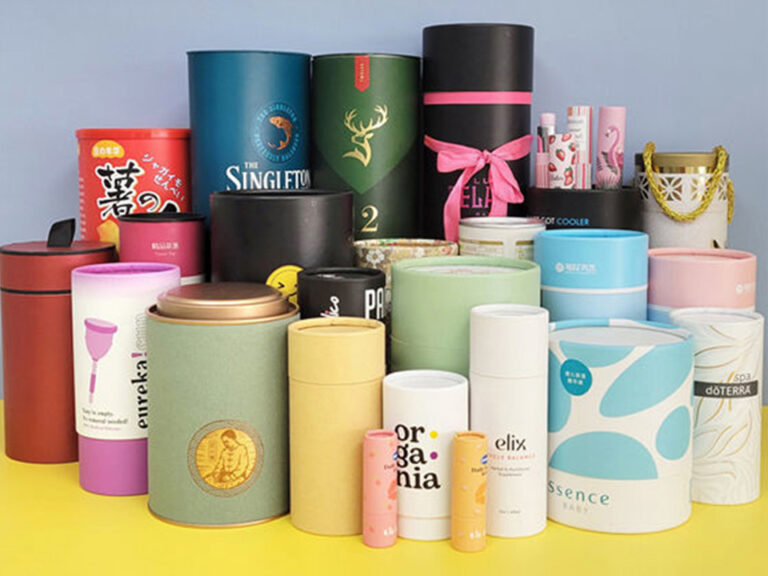
I’m going to give you the use-case, the spec that matters, and the failure mode I see most.
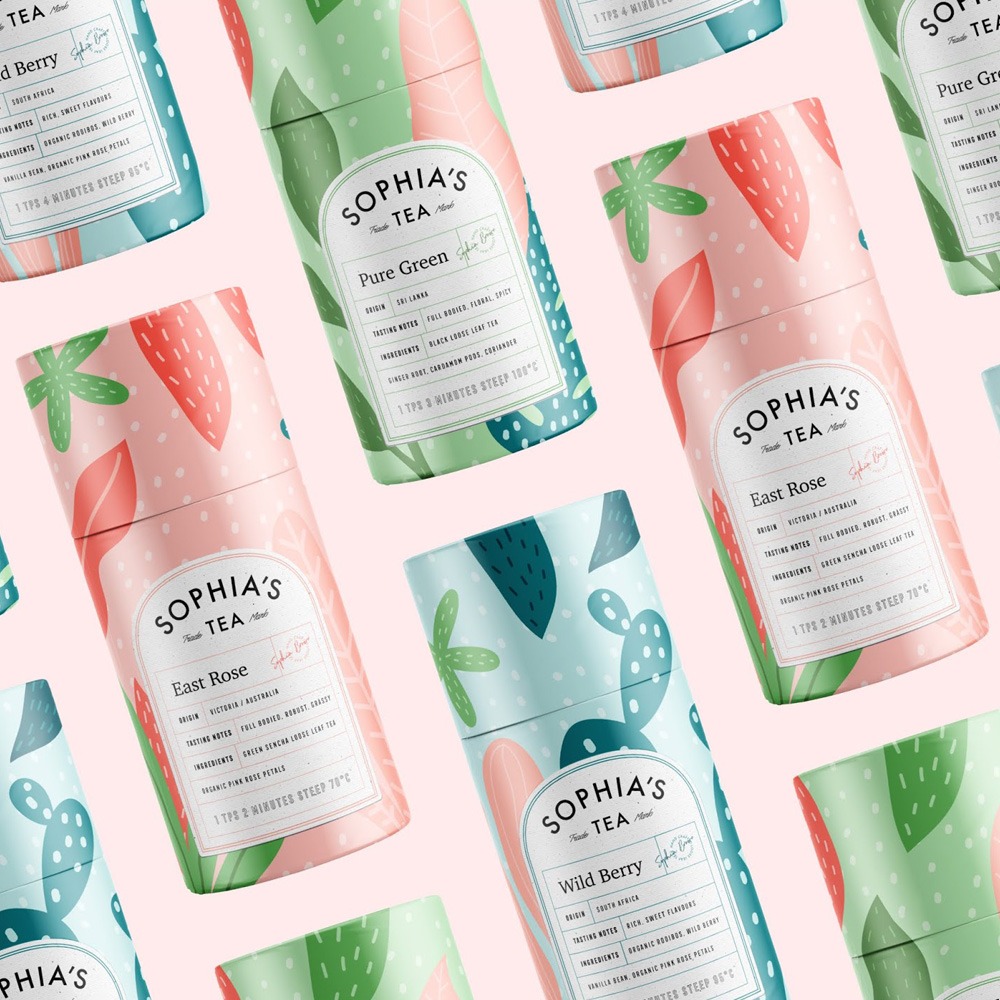
Use it for: loose-leaf tea, matcha, functional blends. Spec that matters: liner + lid interface (tinplate/aluminum lid + inner seal). Failure mode: “airtight” lids that aren’t, plus odor pickup during ocean freight. If you want the canonical build, look at metal-lid tea tube formats like this metal lid paper tube box for tea packaging.

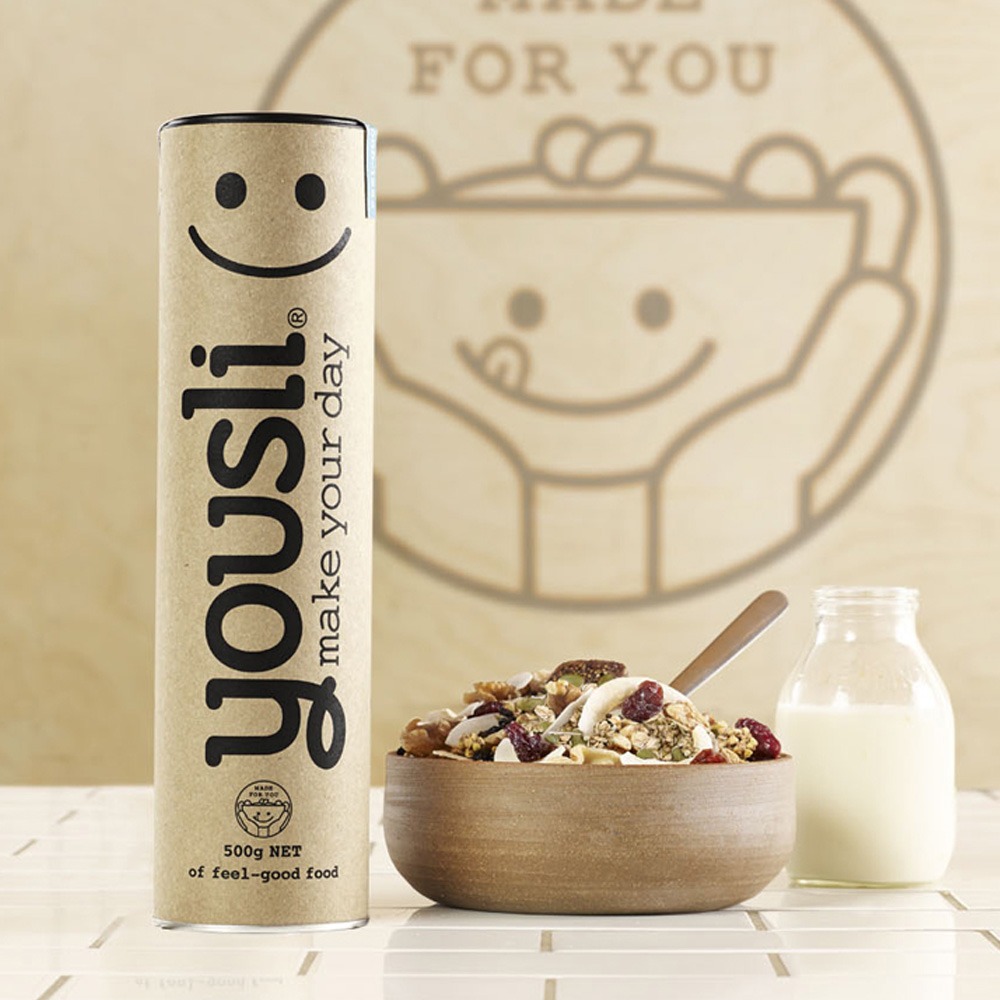
Use it for: 250 g–500 g beans, gift sets. Spec that matters: oxygen + moisture barrier; a plain board tube is not it. Failure mode: stale coffee from OTR/MVTR you never tested because the supplier said “food grade.” Insider move: treat it like a canister system; you’re buying closure performance, not paper.
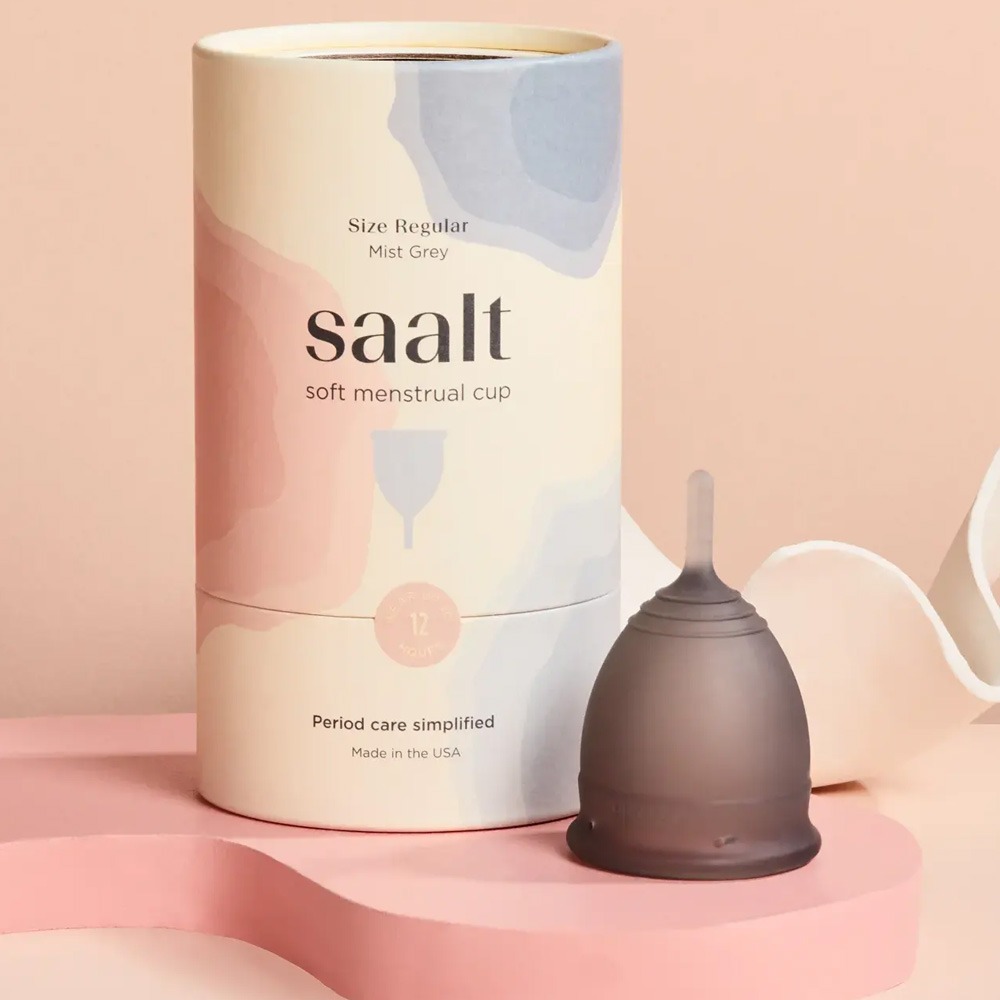
Use it for: collagen, whey, greens, meal replacement blends. Spec that matters: rigidity + scoop clearance + reseal. Failure mode: peel-off lids that tear unevenly; consumers hate jagged foil edges.
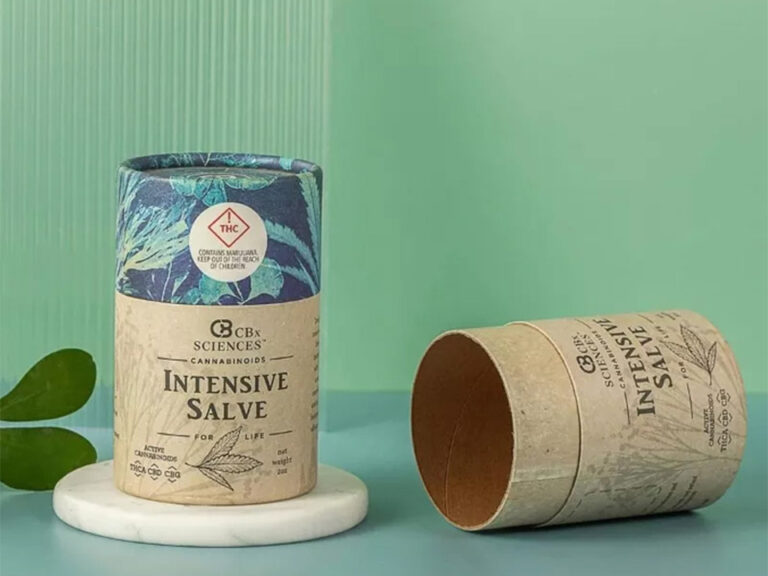
Use it for: high-margin powders that need “apothecary” vibes. Spec that matters: internal liner chemistry; cheap poly layers can hold odor. Failure mode: ink rub + scuffing makes the pack look counterfeit.
Use it for: salt blends, curry powders, chili flakes. Spec that matters: sifter fit and particle bridging (fine powders choke). Failure mode: shaker holes that clog after week two.
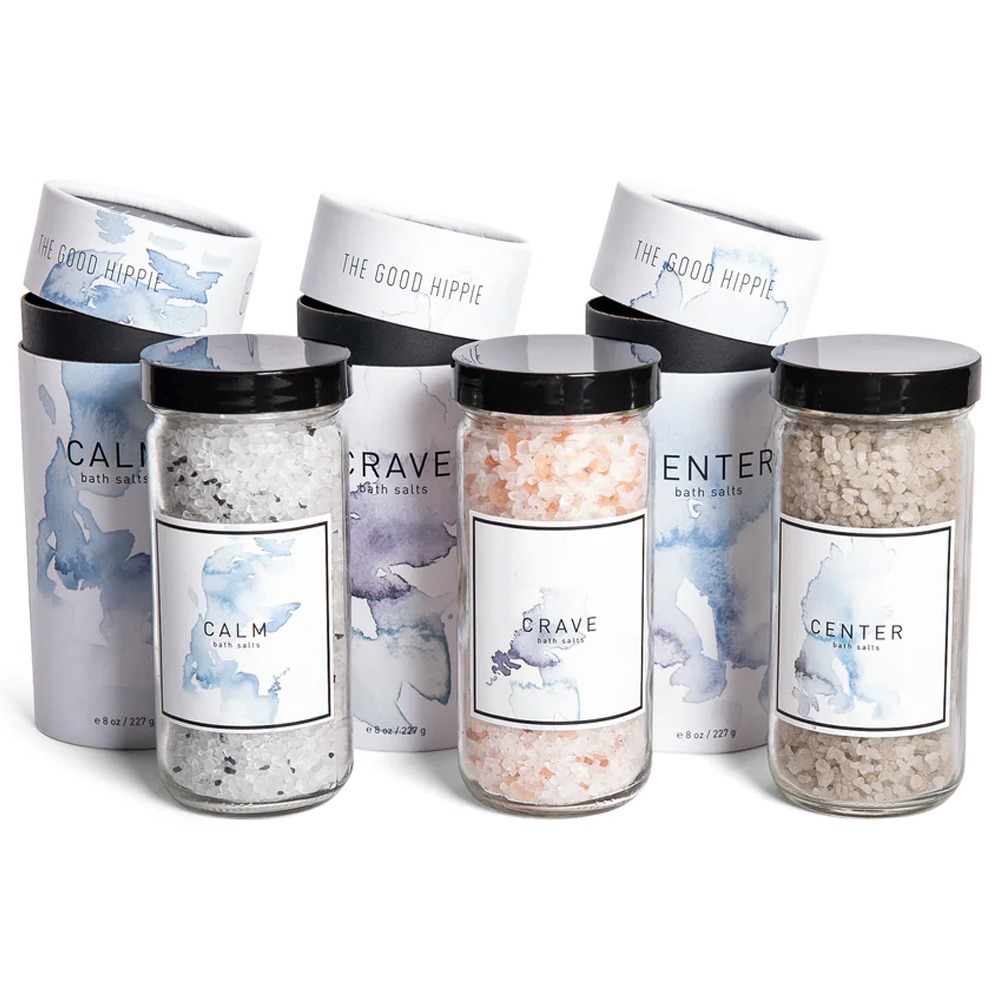
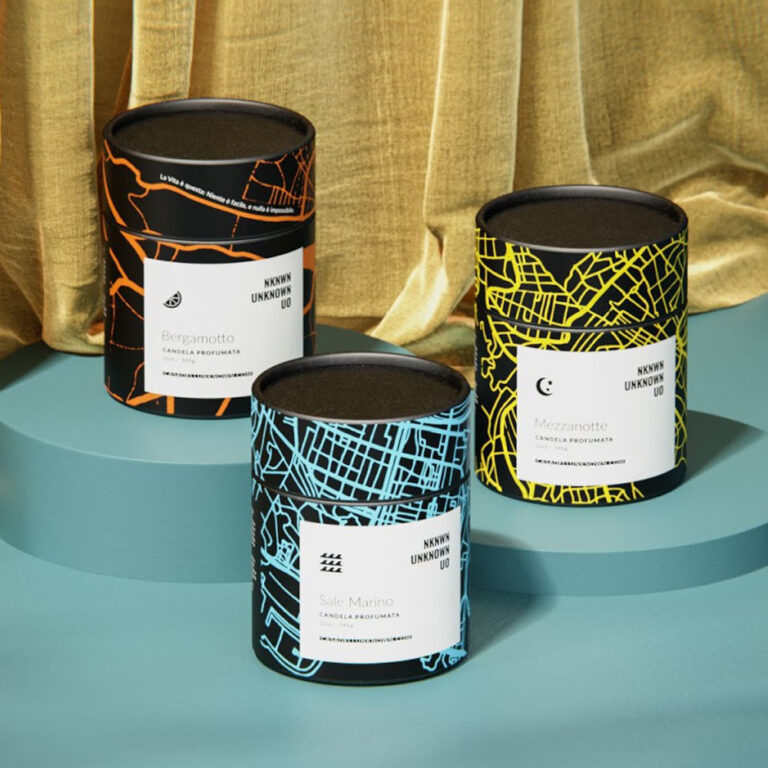
Use it for: glass candles; the tube is both shipper and shelf pack. Spec that matters: end-cap compression strength + internal insert. Failure mode: glass-to-board rattle and cracked jars. If you’re building this category, see the baseline designs in candle paper tubes.
Use it for: 30–100 ml fragrance. Spec that matters: inner cradle + vertical drop performance. Failure mode: crushed rims from thin wall builds (<1.0 mm) that look fine until they don’t.

Use it for: 5–15 ml oils, roll-ons. Spec that matters: insert grip + leak containment. Failure mode: oil wicking into the paperboard if the insert spec is sloppy.
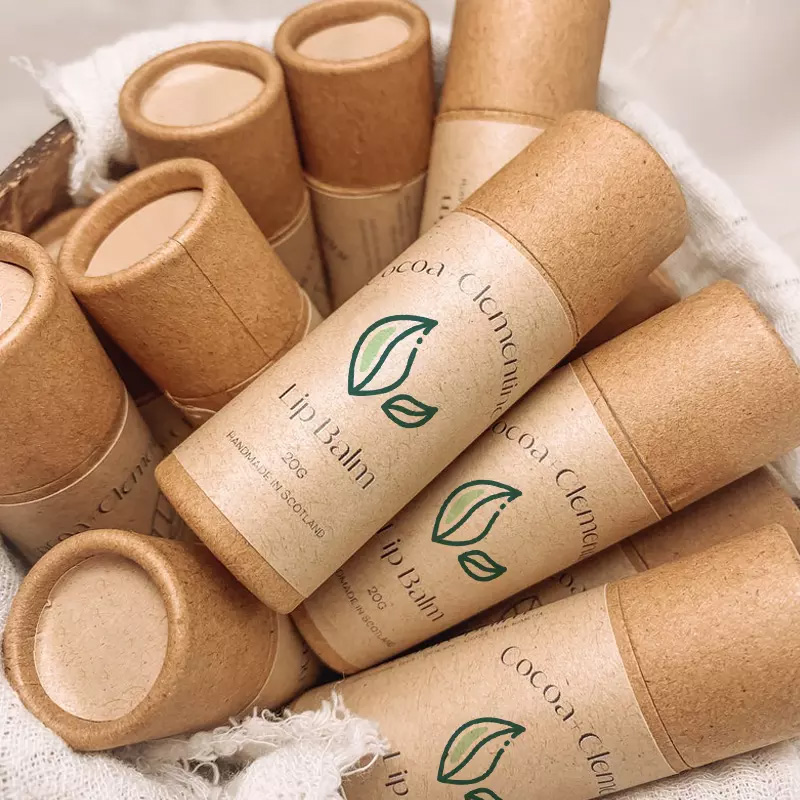
Use it for: twist-up or push-up paper tube formats. Spec that matters: mechanism friction + moisture resistance. Failure mode: swelling paperboard in humid bathrooms—customers think the product is defective.
Use it for: bundles and gift drops. Spec that matters: consistent diameter tolerance (±0.5 mm becomes visible fast). Failure mode: lids that wobble on camera; influencer unboxing is unforgiving.

Use it for: products that must be child-resistant in many jurisdictions. Spec that matters: certified closure design + documented testing. Failure mode: brands using “child-resistant-looking” packs that don’t meet standards. If you’re in that world, start with something purpose-built like child-resistant tubes.
Use it for: wine glasses, tumblers, fragile accessories. Spec that matters: crush resistance + insert geometry. Failure mode: sideways impact damage in parcel networks.
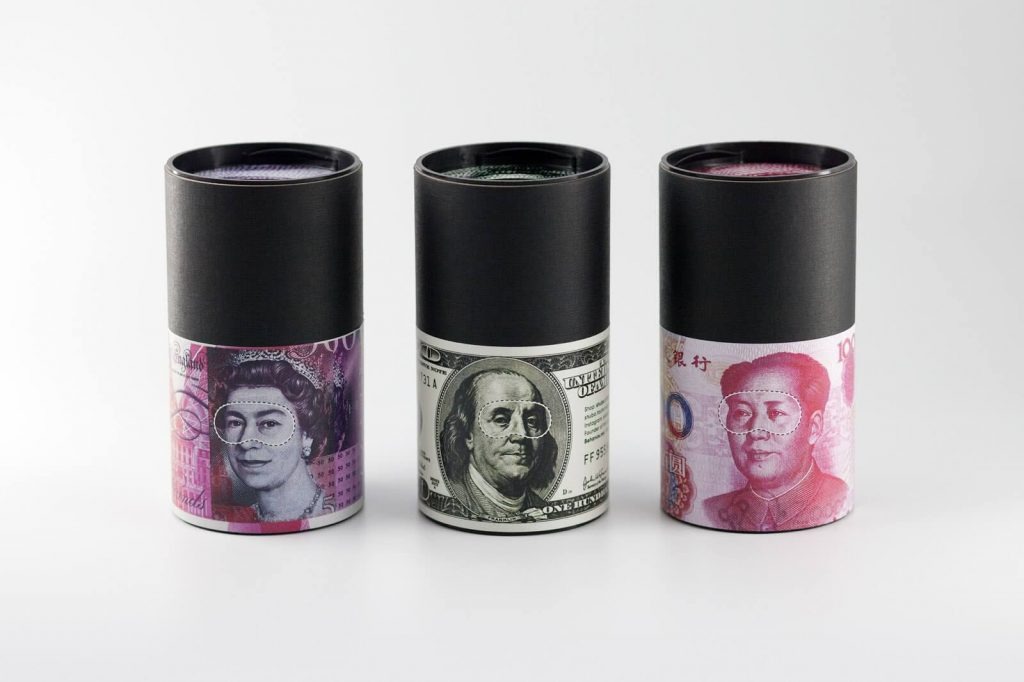
Use it for: premium basics, DTC bundles. Spec that matters: uncoated kraft vs laminated feel (your brand signal). Failure mode: deodorant-like “paper dust” shedding inside the pack.
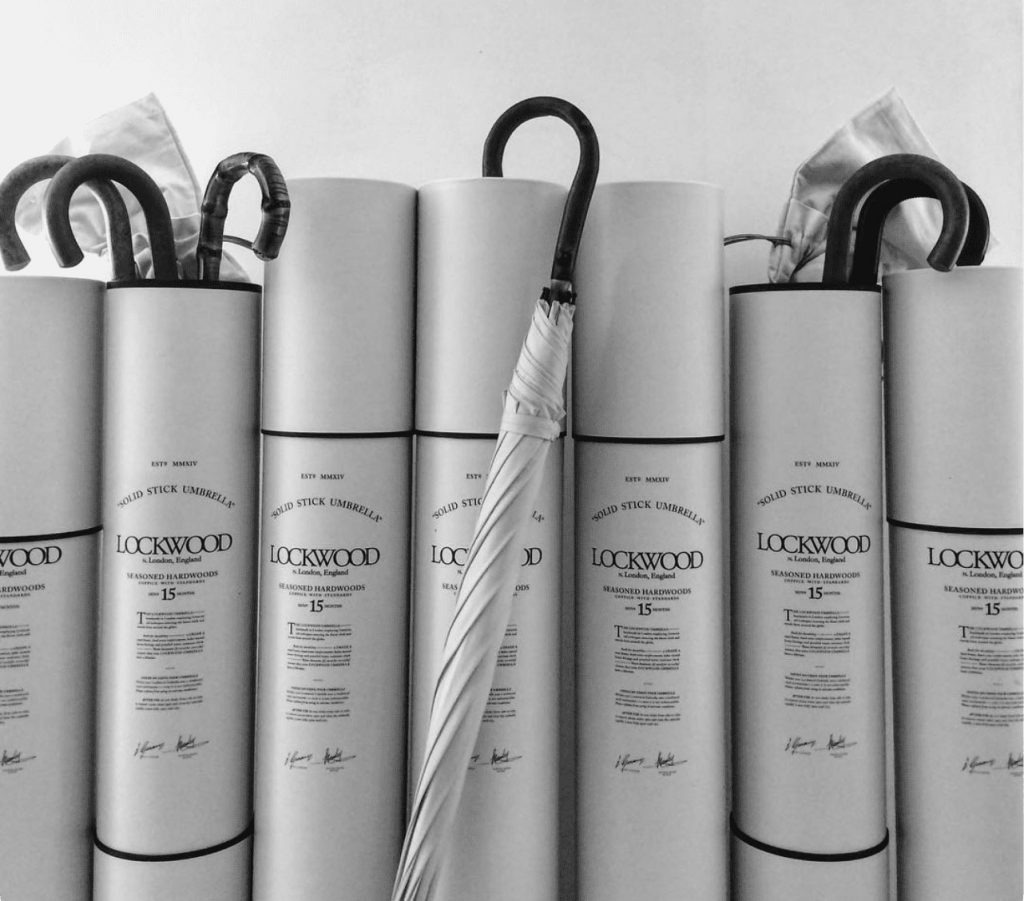
Use it for: prints, maps, posters, certificates. Spec that matters: cap retention + tube straightness. Failure mode: caps popping in transit; you get bent corners and chargebacks.
Use it for: collaborations, anniversary SKUs, “display it” packaging. Spec that matters: high-end finishing that doesn’t crack at score lines. Failure mode: foil stamping that fractures on the rim because someone pushed the die too hard.
If you want a quick “hub” view of how these formats are usually built and sold, start at paper canister packaging. It’s basically the category tree in one place.
Now, the part people hate: sourcing.
I’ve sat in enough supplier calls to tell you the quiet truth: region is a spec. Not a geography lesson.
EU regulators are already pushing brands toward less waste and less air shipped (hello, 50% empty-space cap). That forces packaging redesign, which forces tooling changes, which makes “just switch suppliers” a fantasy.
And tariffs? They’re not a footnote; they’re a surprise invoice. The USTR’s Section 301 modifications document spells out tariff changes with effective dates starting September 27, 2024 (and further changes in 2025/2026). Even if your paperboard isn’t targeted, your metal lids, aluminum foil liners, machinery parts, or subcomponents might be, depending on classification. That’s where brands get burned.
Here’s a working comparison I use when I’m sanity-checking quotes. These are typical RFQ ranges I’ve seen for a mid-size tube (roughly 70 mm × 150 mm, 10k units). Not promises. Just the pattern.
| Manufacturing region | Typical unit cost (10k run) | Typical production lead time | Quality risk pattern I see | Tariff exposure (US import) |
|---|---|---|---|---|
| China (coastal) | Low to mid | 20–35 days | Great print, inconsistent closures if you don’t lock specs | Higher volatility; watch Section 301 changes |
| Vietnam | Mid | 25–40 days | Better consistency on simple tubes; fewer “fancy lid” options | Lower volatility than China (varies by category) |
| India | Low to mid | 25–45 days | Good board work; finishing can vary by plant | Moderate; classification still matters |
| Mexico | Mid to high | 10–25 days | Faster iteration; fewer specialty finishes | Lower freight risk; tariff depends on inputs |
| US/EU domestic | Highest | 10–30 days | Best for compliance docs + repeatability | Lowest tariff shock; highest labor cost |
One more uncomfortable data point, because “sustainable packaging” gets marketed like religion: Amazon cut single-use plastic shipments 16% to 74,137 metric tons in 2024, and the internal logic was blunt—customers find paper easier to recycle and easier to use. That’s not a heartwarming story. That’s a business story: paper wins when friction is lower.
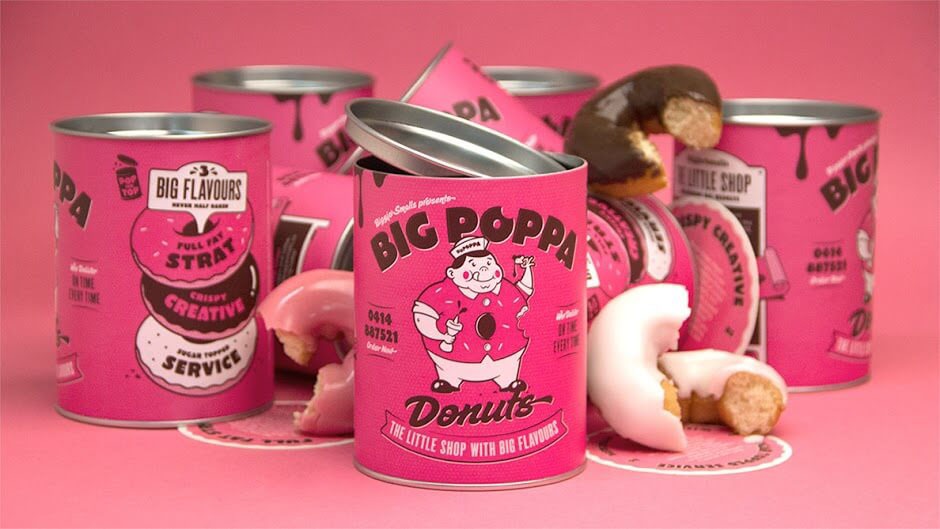
Paper tube packaging is a cylindrical package made from spiral-wound or convolute paperboard—often 0.8–2.0 mm wall thickness—paired with closures (paper caps, tinplate lids, peel-off membranes) and sometimes barrier liners (e.g., foil or polymer) to control oxygen and moisture while delivering a rigid, shelf-ready shape.
The best products for paper tube packaging are dry, high-margin goods that benefit from rigid presentation—tea, coffee, spices, powders, candles, cosmetics sticks, and gift sets—especially when you can justify a liner or tight closure system to manage oxygen, aroma, and humidity without relying on paperboard alone.

Paper tube packaging is recyclable or compostable only when its full material stack supports it, meaning the paperboard, inks, adhesives, and any liners or membranes can be processed by local systems; composite builds with foil or polymer liners often behave like mixed-material packaging even if the outer shell is paper.
Paper tube packaging keeps food fresh when it includes a verified barrier system—such as an aluminum foil liner, sealed membrane, or high-integrity lid—that meets performance targets for oxygen and moisture transfer; without that, a paperboard tube is mostly a display container and freshness degrades fast.
Avoiding tariff surprises means mapping every component (tube body, metal lid, foil liner, inserts) to a classification workflow and monitoring effective-date changes, because USTR actions can shift duty rates starting on specific dates like September 27, 2024, depending on what you import and how it’s classified.
The fastest quality improvement is tightening tolerances and test criteria—lid fit, drop tests, compression tests, humidity conditioning (e.g., 38°C/90% RH), and print rub resistance—because most failures come from closure slop and environmental stress, not from the tube looking “cheap” in a photo.
Want the boring truth about your specific product? Send me the three details suppliers always dodge: product sensitivity (moisture/odor), target run size (MOQ reality), and shipping channel (parcel vs pallet). Then we spec the tube so it survives real logistics, not studio lighting. Use the fastest path here: contact us for paper tube packaging quotes and samples.
If you remember one thing: paper tube packaging is not “paper.” It’s a system. Treat it like engineering, and it prints money. Treat it like décor, and it prints refunds.