Stay Updated with Agro Cultures News
Harnessing the Sun’s Endless Power to Sustainably Transform Agriculture
Ready to harness the power of the sun?

It’s not hype. It’s procurement math, policy pressure, and buyer psychology hitting the same quarter, and the brands that treat paper tube packaging like a “cute eco swap” keep paying tuition in reprints, compliance failures, and product returns. Do you want the popular story, or the real one?
Three words: rules get teeth.
In Europe, the European Union has been moving from polite guidance to binding requirements, and packaging is right in the blast radius: policymakers are targeting waste volume, recyclability, and even “empty space” in shipping packs—because oversized packaging has become an easy political punching bag. The European Parliament laid out reduction targets (5% by 2030, 10% by 2035, 15% by 2040) and a cap on empty space (50%) for grouped/transport/e-commerce packaging, alongside the push toward recyclable-by-design packaging.
Now look at paper tube packaging through that lens: cylindrical packaging tubes are compact, rigid, and space-efficient by geometry alone. In categories where brands were over-boxing to “feel premium,” paper tubes let them keep structure without the air-shipping shame.
And it’s not only the EU. Regulation is also getting weirdly specific about chemistry: the EU deal includes banning PFAS (“forever chemicals”) in food-contact packaging. That matters because plenty of legacy barrier coatings and grease-resistant treatments used to be “fine until they weren’t.” Paper tubes that avoid questionable treatments suddenly look less risky.
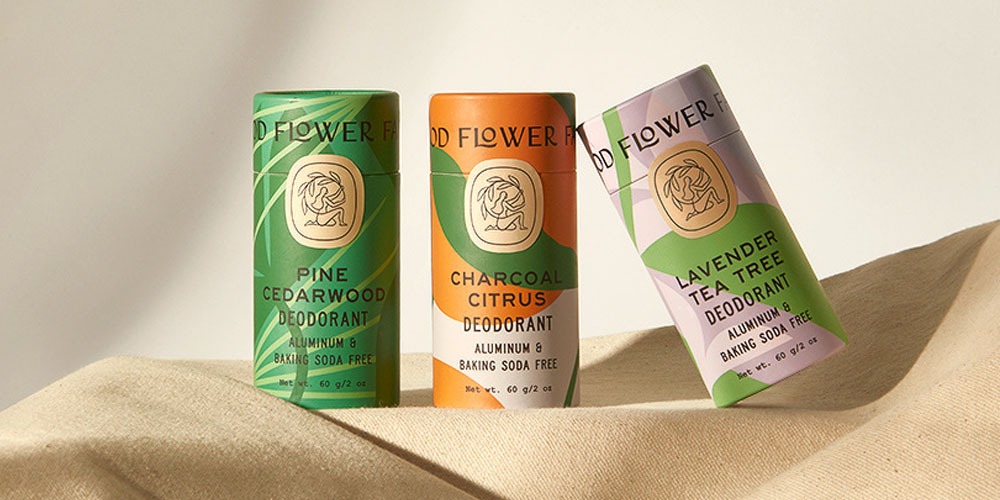
Consumers aren’t stupid; they’re just busy.
If a package looks obviously recyclable, it sells—especially when the product is “clean,” “natural,” or premium. PwC found consumers are willing to pay an average 9.7% more for sustainably produced or sourced goods (2024 Voice of the Consumer survey). That doesn’t mean they’ll pay 10% more for everything. It means they’ll reward brands that make sustainability feel effortless and credible.
Fiber has another advantage: actual recovery rates (not vibes). The American Forest & Paper Association reported 2023 U.S. recycling rates of 65%–69% for paper and 71%–76% for cardboard using its updated methodology. Those are ranges, not marketing slogans—and they underpin why procurement teams like “paper-first” when the product tolerates it.
But here’s the hard truth: paper tube packaging is only as recyclable as its worst component. Metal bottoms, plastic inner liners, permanent foil laminations, glued-in windows—those can turn “eco-friendly tube packaging” into a sorting headache. The brands winning this format are designing for disassembly: fiber body first, minimal mixed materials, and lids/end caps that don’t sabotage the stream.
If you’re selling a fiber story, don’t ship a mixed-material lie.
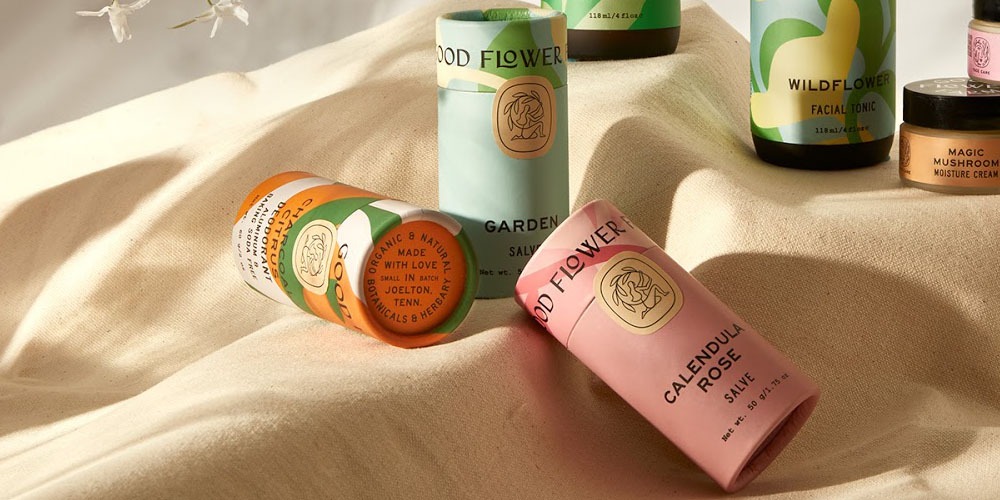
Shelf impact is chemical.
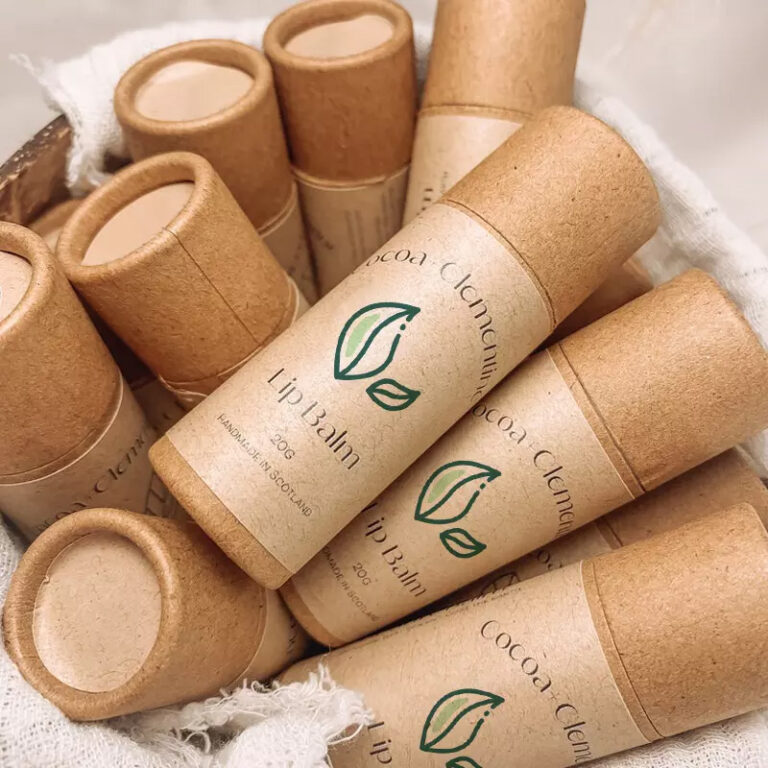
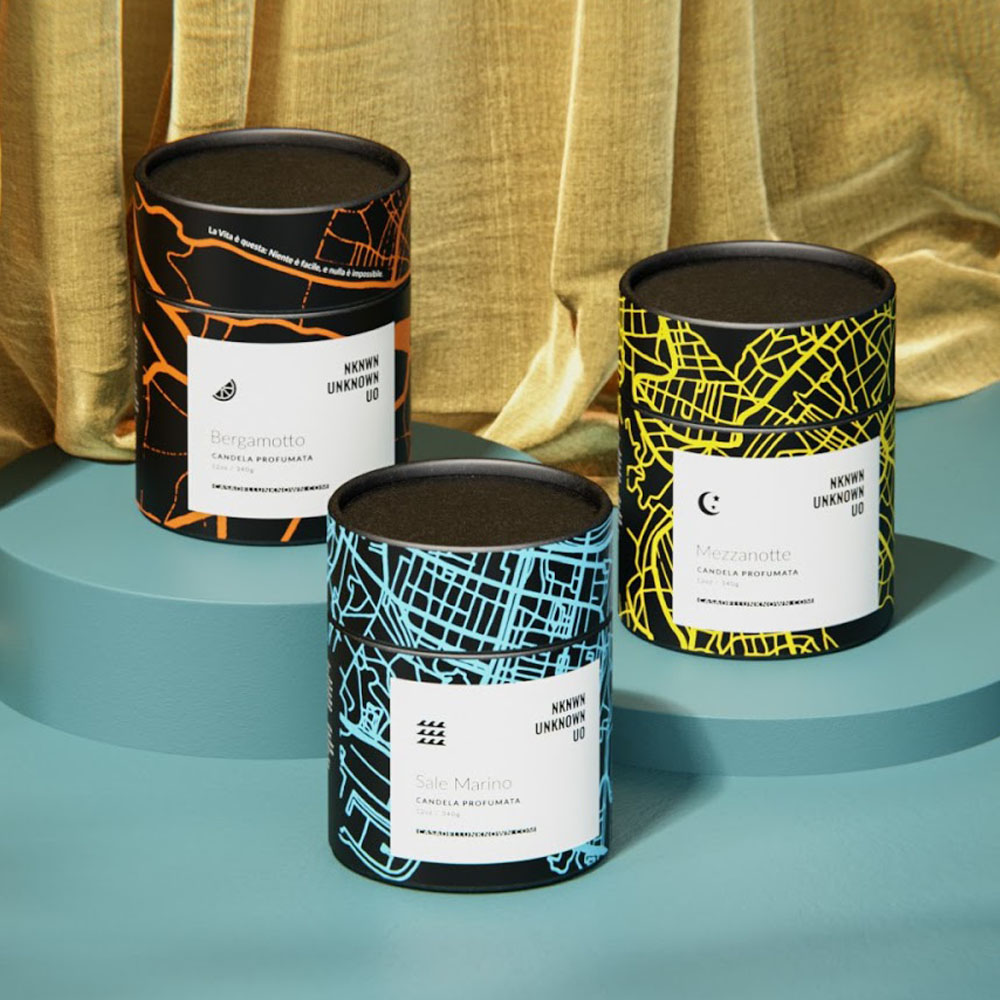
A rigid tube stands upright, feels deliberate, and photographs like a product that costs more than it does. That’s why “cardboard tube packaging” keeps showing up in cosmetics, fragrance, tea, coffee, and supplements: it has the luxury silhouette of a tin without the cold industrial cue.
I’ll be blunt: a lot of this growth is aesthetic arbitrage.
Brands can print textures, emboss logos, run matte finishes, and create that “unboxing moment” without paying for injection-mold tooling or heavy-gauge metal. If you’re hunting the “best paper tube packaging for cosmetics,” start by studying how rigid tubes protect the perception of the product as much as the product itself—then compare common executions like cosmetics paper tubes and more structured canister builds like paper canister packaging. The difference is subtle until you hold them; then it’s obvious.
And yes, custom paper tube packaging is easier to iterate: new artwork, new wrap, new finish—fast refresh cycles without re-engineering the entire container.

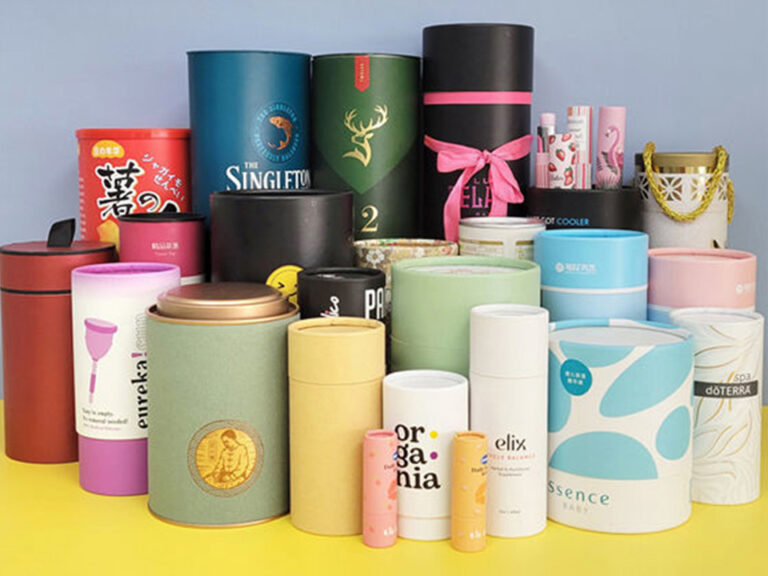
Here’s the part outsiders miss: paper tubes aren’t one product. They’re a platform.
A modern tube can be built with peel-off lids, metal lids, shaker inserts, foil liners, food-grade barriers, and (when the category demands it) child-resistant mechanisms. That’s why you’re seeing targeted use-cases explode:
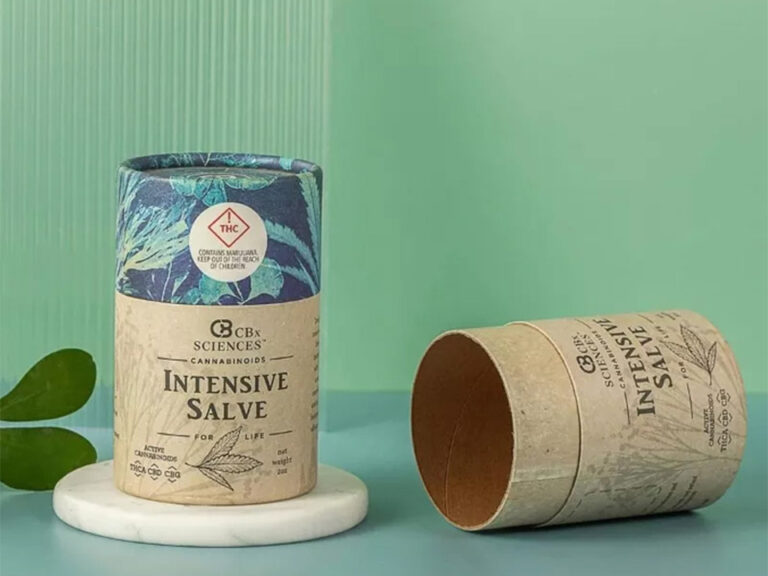
And compliance isn’t theoretical. In regulated cannabis markets, California requires child-resistant packaging for cannabis goods, and the definition is functional: packaging designed to be hard for children under five to open. That’s why tubes with compliant mechanisms—like child-resistant tubes—aren’t a niche gimmick anymore. They’re a buying requirement.
This is the insider reason nobody puts in the headline: multi-component packaging changes sourcing behavior.
Paper tube packaging is typically a stack of components—paperboard body, printed wrap, adhesive system, end caps, liners, lids—and that modularity makes it easier to dual-source parts, regionalize assembly, or swap components when regulations shift. When the Council of the European Union talks about harmonizing packaging rules and cutting waste, they’re effectively forcing suppliers to standardize and prove compliance across borders.
Add legal uncertainty around chemicals. In the U.S., the U.S. Court of Appeals for the Fifth Circuit vacated U.S. Environmental Protection Agency orders that targeted PFAS produced during certain plastic-container fluorination processes (Inhance case, March 21, 2024). Translation: chemical compliance fights are messy, slow, and expensive—so brands are proactively choosing packaging formats that reduce chemical controversy exposure.
That’s the supply-chain logic: fewer chemical surprises, fewer category-specific “gotchas,” more optionality.
| Tube format (real-world) | Best-fit products | Why it’s growing | Watch-outs buyers miss |
|---|---|---|---|
| Paper canister / composite canister | superfoods, supplements, pantry staples | “Premium + recyclable look” without glass weight | mixed-material liners can undercut recyclability claims |
| Peel-off lid tube | powders, protein blends, spices | freshness cue + easy reseal behavior | adhesive residue + lid material can trip recycling narratives |
| Metal-lid tube | tea, coffee, high-aroma products | tight closure feel; “luxury pantry” look | metal + fiber separation needs to be intentional |
| Child-resistant tube | regulated categories | compliance requirement, not marketing | certification/testing expectations vary; don’t DIY the claim |
| Cosmetics rigid tube | skincare, perfume, personal care | high-end tactile branding; strong shelf presence | surface finishes can complicate recycling messaging |
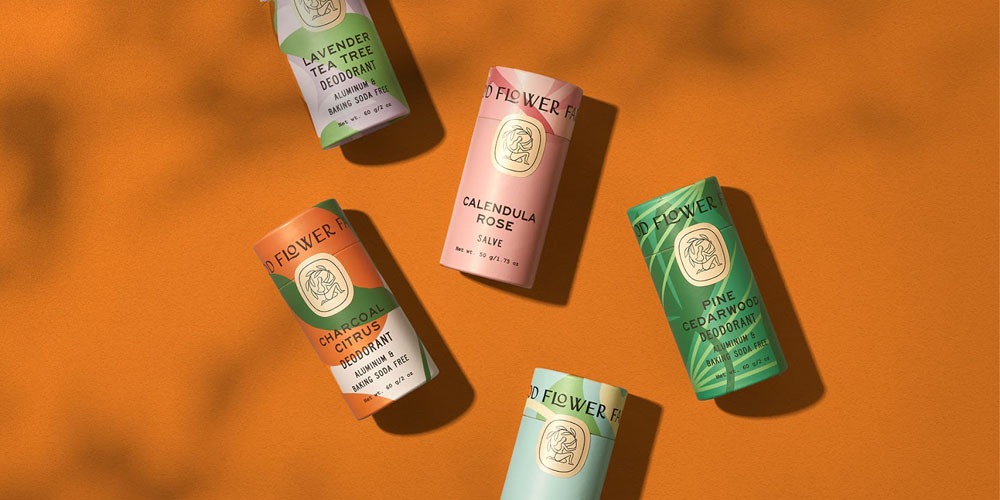
If you want to see these formats in the wild, compare kraft paper tubes against more category-specific builds like cosmetics paper tubes and compliance-driven child-resistant tubes. You’ll spot the design logic instantly.
Paper tube packaging is a rigid cylindrical container made primarily from spirally wound or convolute-wound paperboard, usually finished with a printed wrap and closed with end caps or lids; it’s designed to protect, stack, and brand products while signaling fiber-forward sustainability and premium structure in one format. In practice, the “paper” part is the body; performance comes from closure choice and any liners you add.
Paper tube packaging is recyclable when the tube is predominantly fiber and can be processed in typical paper/cardboard systems without problematic mixed materials; recyclability drops fast when permanent plastic liners, heavy foil laminations, or non-separable metal components dominate the design or contaminate fiber recovery streams. That’s why smart designs minimize mixed materials and make lids/end caps easy to separate.
Paper tube packaging is becoming popular because brands can satisfy sustainability expectations, premium shelf presence, and evolving packaging rules with one format; the tube’s geometry reduces “wasted space,” fiber looks easy to recycle, and modern closures/liners let it compete in aroma- and moisture-sensitive categories without going back to plastic-heavy builds. Popularity isn’t universal, though—categories that need high barrier performance still demand careful engineering.
Cardboard tube packaging is best suited to products that benefit from rigid protection and premium presentation—cosmetics, tea, coffee, supplements, dry powders, and giftable personal care—because the format stabilizes items in transit, brands well on-shelf, and can be tuned with closures and liners without redesigning the entire pack architecture. Start with category templates like cosmetics and pantry goods, then validate barrier needs.
Switching to paper tube packaging does not automatically reduce environmental impact because outcomes depend on the full bill of materials, sourcing, transport weight, and end-of-life reality; a fiber tube with heavy laminations or non-separable parts can underperform a lighter pack that actually gets recycled, even if it “looks greener.” The winning approach is measurable: reduce materials, simplify components, and align with local recovery systems.
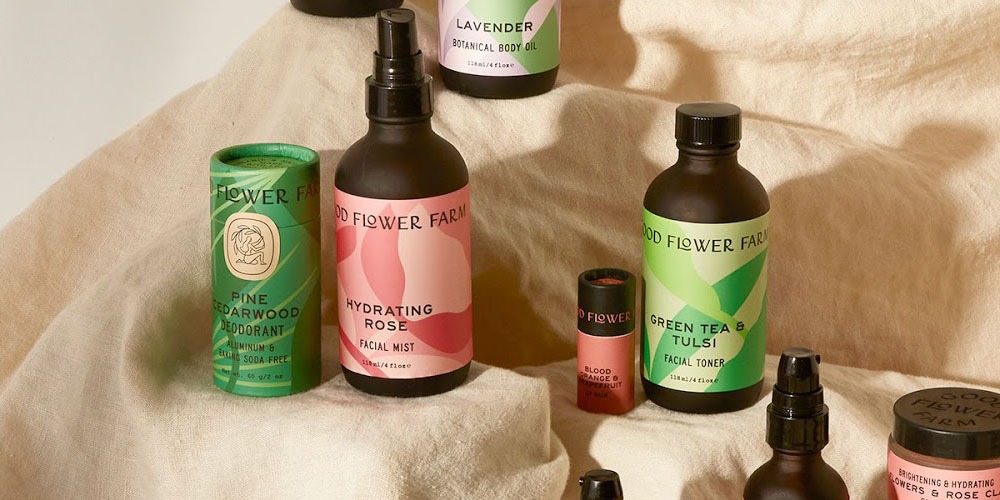
If you’re serious about sustainable paper tube packaging (and not just chasing a Pinterest aesthetic), build from the formats that already work: start with a category match like paper canister packaging, map the closure/barrier you truly need, then pressure-test claims against the markets you sell into.
When you’re ready to spec it properly, use custom packaging services to lock materials, closures, and print finishes into one coherent system—and if you want an opinionated teardown of your current pack (what will fail, what will pass, what will cost you later), reach out via اتصل بنا.
Because “eco-friendly” isn’t a label. It’s a design decision you either defend with facts—or you get punished for later.