Stay Updated with Agro Cultures News
Harnessing the Sun’s Endless Power to Sustainably Transform Agriculture
Ready to harness the power of the sun?


Paper tubes look simple. They’re not. This is the manufacturing-and-sourcing reality behind durable, compliant cosmetics paper tubes—and the regional trade-offs nobody puts on the quote sheet.

Paper tubes look simple. They aren’t. Here are 15 paper tube packaging examples that actually work in the wild, plus the sourcing math (cost, lead time, quality, tariffs) most marketers never see.
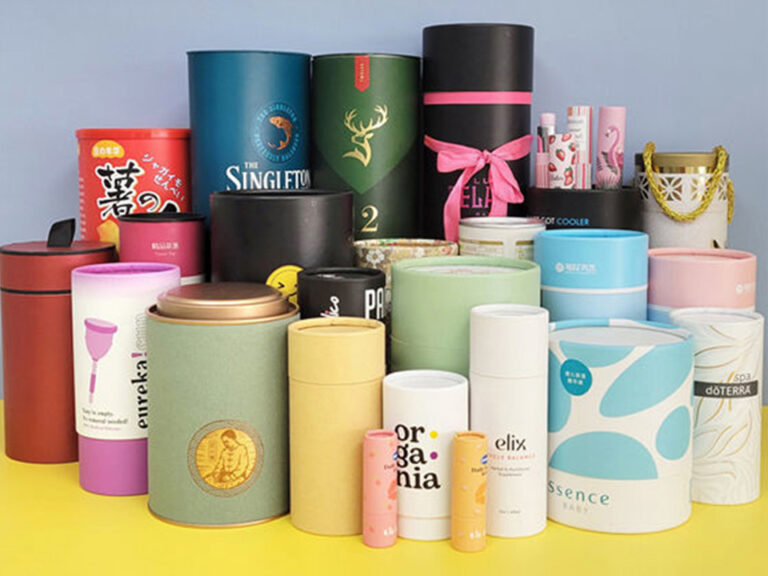
Paper tube packaging looks simple, until you cost it, test it, and ship it at scale. Here are six high-ROI uses, the technical gotchas, and the sourcing realities most suppliers won’t say out loud.
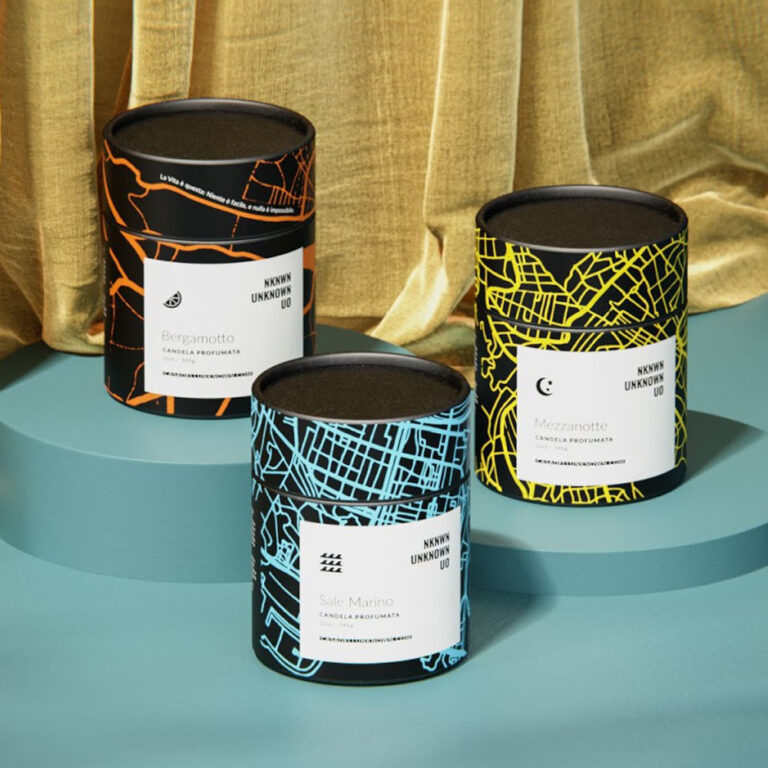
Paper tube packaging isn’t “trendy”—it’s becoming the default in specific categories because regulation, recycling economics, and premium branding are colliding. But the format has landmines (liners, lids, compliance) that separate winners from expensive mistakes.

Paper tubes can be genuinely low-impact, or they can be a composite headache dressed up in kraft. This piece breaks the tube apart—materials, recycling reality, sourcing regions, and the regulations forcing brands to stop bluffing.
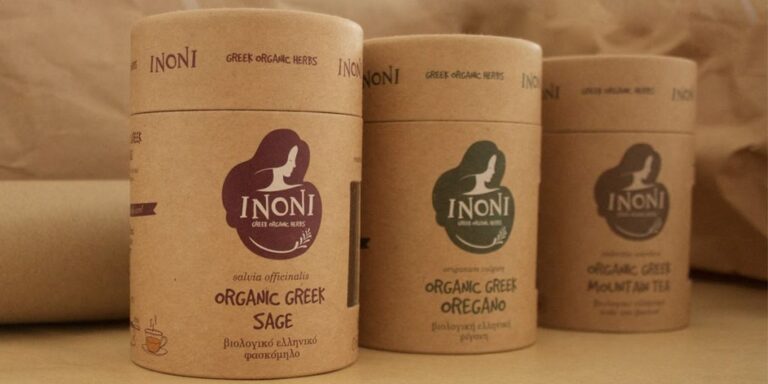
Paper tubes sell premium tea fast—until aroma loss, liner compliance, or lid tolerances blow up your repeat orders. I break down six proven cylindrical tea packaging designs with the real trade-offs buyers learn the expensive way.
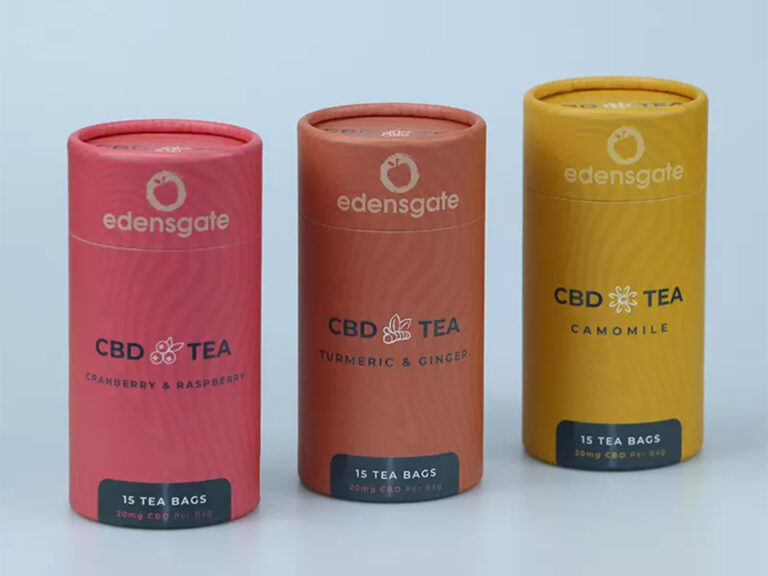
Paper tube packaging fails for boring reasons: sloppy specs, the wrong liner, and suppliers you can’t audit. I’m laying out eight checks I use to keep cost, lead time, and tariff exposure from turning into a quiet disaster.

Rolled edges look “premium,” straight cuts look “simple,” and both can be wrong depending on your cap fit, liner stack, and sourcing region. I’ll show the failure modes, the hidden cost drivers, and the specs you should demand before you pay for a mold—or eat a recall.

Most “cheap” custom tube quotes are cheap only until you add freight, rejects, and tariffs. This post breaks the cost stack into controllable levers you can actually negotiate.
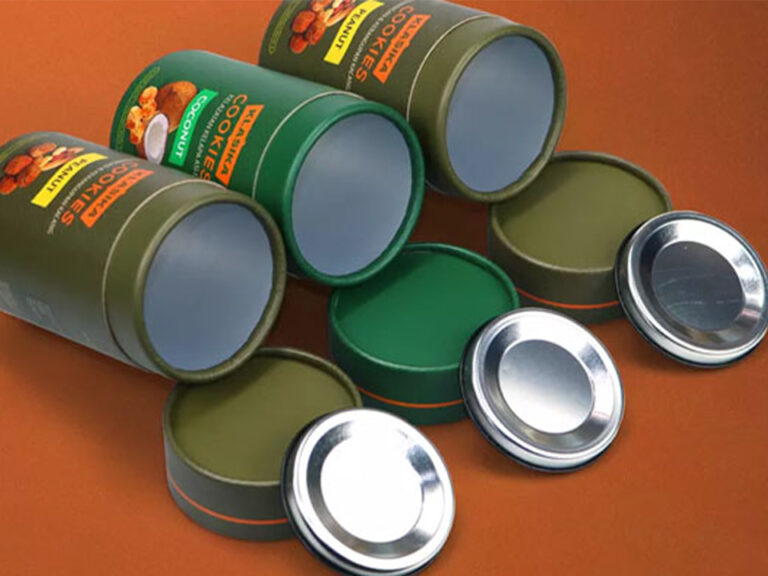
Most buyers think “structure” is a design choice. It’s a procurement variable—one that quietly changes defect rates, freight exposure, compliance paperwork, and your total landed cost.

Paper tubes look simple. They aren’t. This breaks down the paper tube packaging process step-by-step, then gets blunt about where sourcing regions quietly decide your real cost, lead time, and risk.

Paper Tube Packaging sells “eco” fast, but the supply chain is messy, the materials are often composite, and consumers feel the difference anyway. Here’s what actually benefits buyers, what quietly doesn’t, and how sourcing location changes the math.