Stay Updated with Agro Cultures News
Harnessing the Sun’s Endless Power to Sustainably Transform Agriculture
Ready to harness the power of the sun?

I’ve watched more packaging teams burn weeks on “pretty” than I care to admit, and the punchline is always the same: when the carton hits humidity, when the container gets bumped, when the lids start walking, nobody remembers the moodboard—everybody remembers the structure they picked and the sourcing region that built it.
It breaks. Quietly.
But here’s the ugly truth: “paper tube packaging designs” aren’t really design problems, they’re manufacturing-geometry problems dressed up in branding, because the moment you choose a structure you’re choosing winding method, glue line behavior, lid die tolerances, roundness drift (ID/OD runout), and how much variation your supply chain can tolerate before customers start calling it “cheap.”
So… what’s actually popular?
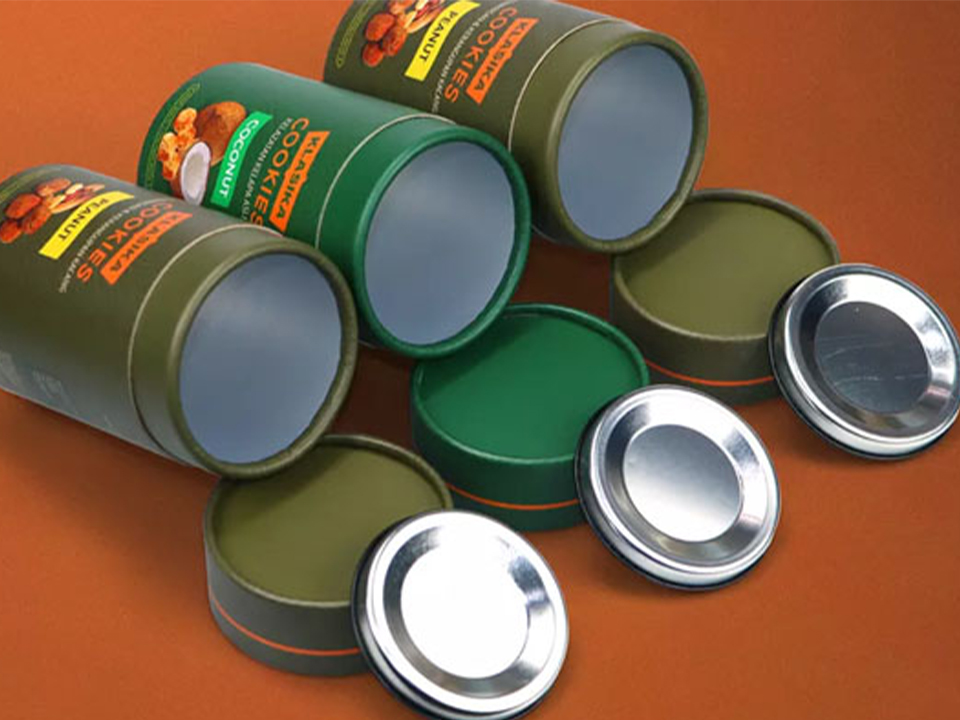
Yet most buyers still talk about tube boxes like they’re rigid gift boxes—same slides, same vendor pitch, same “premium unboxing” buzzwords—when paper tubes are their own weird beast, with spiral-wound variance, ovalization risk, and that classic cap-fit lottery where a 0.3 mm swing turns “tight and premium” into “stuck and annoying.”
It works. Usually.
And sourcing location? Don’t pretend it’s a footnote. The region you source from isn’t just a line item; it’s lead time compression or expansion, tariff exposure roulette, QC culture differences, and the real probability that your next reorder matches your first (or doesn’t). You can “spec” your way out of some of that. Not all.
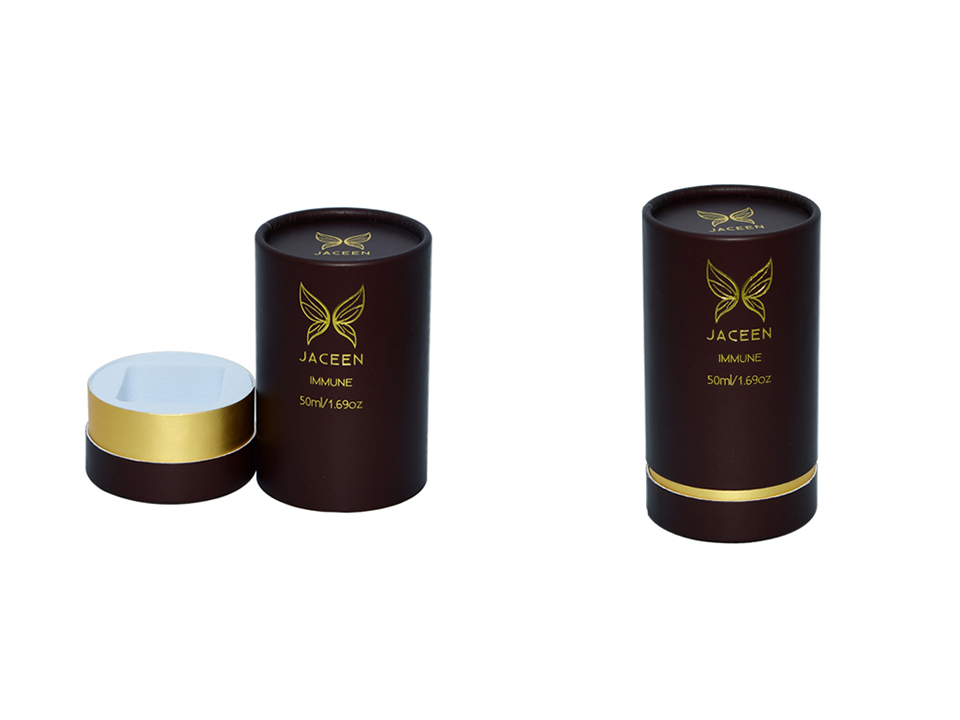
I frankly believe catalogs are lying when they show 30 “structures.” Most of those are the same skeleton with different hats—handles, windows, foil, fancy wraps, whatever. The repeat orders cluster hard around a few workhorse builds.
This is the OG: a base tube plus a cap sleeve that slides over the top edge, and it keeps winning because it’s tolerant of real-world variance—operators on different shifts, different glue viscosity, different humidity, different cartons.
Cheap. Predictable. Forgiving.
If your line is general canisters, start here and stop overthinking it: paper canister packaging.
Here’s the longer sentence you need to sit with: telescoping tubes look controlled because the lid travels deeper over an inner/outer build, but that “control” is bought with tolerance stacking across three parts—roundness, wall thickness, wrap tightness, seam placement, cap depth—so one sloppy batch turns into jammed lids, loose lids, and returns.
Then the fragment.
Pain.
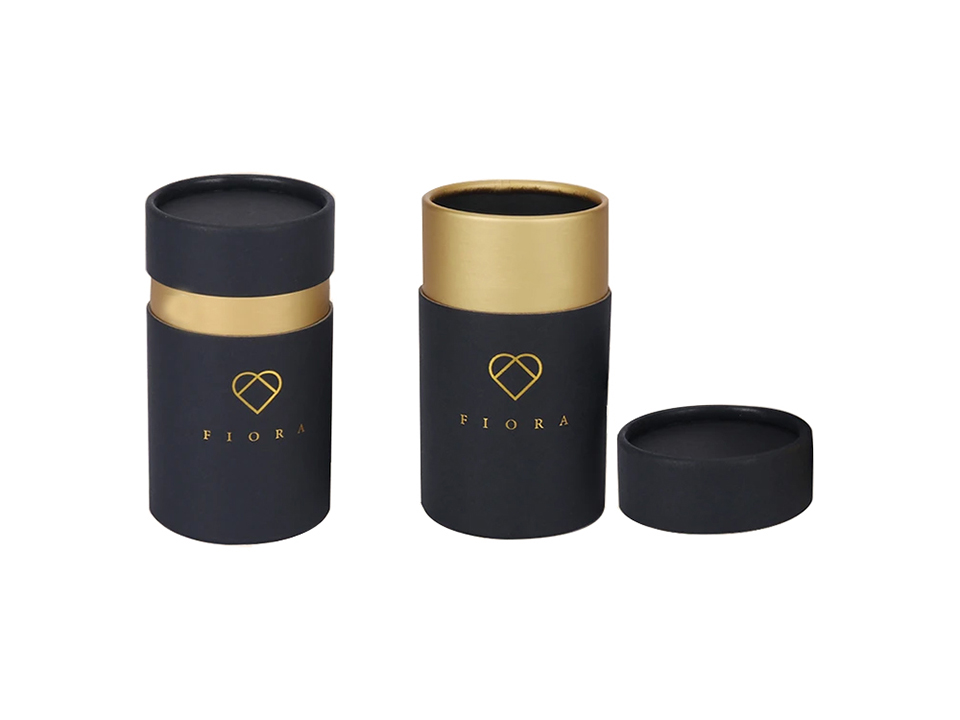
A shoulder ring inside the base creates a defined stop for the lid—cleaner close, less wobble, more “engineered” feel without jumping to metal. Brands love it for beauty because the hand-feel is consistent when it’s done right.
When it’s not? Shoulder creep, misalignment, caps that sit proud (and look like a defect even if it functions).
If you’re in skincare/fragrance territory, you already know where the internal path goes: cosmetics paper tubes.
Food and powders made this mainstream. The membrane does tamper evidence and barrier duty; the overcap protects the edge and keeps the “open/close” experience sane after the first use.
Three words: specs matter more.
Because “foil-lined” can mean different things depending on the laminate stack, adhesive, sealing method, and whether you’re trying to hit actual barrier targets (OTR/WVTR) or just chasing a marketing bullet. I’ve seen buyers order peel-off canisters for coffee, then forget odor migration, then wonder why the product smells like a warehouse.
If the product is caffeine or tea leaves, don’t bury the lede—route people to the right families: coffee paper tubes and tea paper canisters.
This one sells itself because metal reads “fresh” and “reusable,” even when the real work is happening inside the composite liner and the seam quality. It’s common in tea/cocoa/spices for a reason: it feels like a keepsake.
And yeah, it also adds a whole extra fit interface that can drift if your supplier’s lid tolerances aren’t locked down (or if freight abuse makes the tube slightly oval).
If you want the clean internal example that matches how factories pitch it, use: metal lid paper tube box for tea packaging.
This is where “fun” features quietly tax you: more suppliers, more assembly steps, more QA points, more things that can fail in transit. Sifters make sense for salt/spice powders. Windows can be retail-smart. Handles? I’m skeptical—too many snag points and crush issues unless the packout is engineered.
Candles and giftables live here, because display matters: candle paper tubes.

However, procurement folks learn fast that structure decisions don’t live in a vacuum: freight volatility, regulatory pressure, and compliance enforcement can turn “nice-to-have” upgrades (like telescoping or metal lids) into margin killers, especially when you’re shipping far and you’re not building buffer into lead times.
This is not a theory exercise.
A 40-foot container spot rate from China to North Europe hit $4,615 on May 31, 2024—about 3.5× higher than May 1 in that same Reuters report—so if your tube structure relies on tight cap fit and arrives slightly ovalized, you’re paying more money to receive worse performance.
Then there’s input pressure. In the U.S., the Producer Price Index series for folding paperboard boxes shows Dec 2023 at 233.206 and Dec 2024 at 241.831 (base Dec 1983=100), per BLS data distributed via the Federal Reserve Bank of St. Louis—so “small” structural upgrades can land right when paper-based packaging costs are trending upward.
And regulation isn’t “someone else’s problem,” even if it feels like it during a product launch. Regulation (EU) 2023/1115 entered into force June 29, 2023, with applicability originally scheduled for December 30, 2024 (later delayed by EU institutions), and paper packaging tied into EU-bound supply chains can’t just wave that away as paperwork.
One more: enforcement. CBP’s UFLPA dashboard materials note that in Fiscal Year 2024 it stopped 11,778 shipments valued at about $1.78 billion—if you’re sourcing globally, you need to think about supplier traceability and documentation as part of “structure + region,” not after.
| Structure (common name) | How it’s built | What it’s best for | What it costs you (in real operations) | Failure modes buyers don’t plan for |
|---|---|---|---|---|
| Two-piece slip lid | Base tube + cap sleeve | General retail, gifting, low assembly friction | Lowest complexity; fastest ramp | Loose lids after humidity swing; scuffing on cap edge |
| Telescoping (three-piece) | Inner tube + outer tube + deep cap | “Premium feel” without metal | Higher part count; tighter tolerances | Tolerance stacking → jam/loose fit; ovalization in transit |
| Shoulder/neck | Internal shoulder ring + lid | Cosmetics, fragrance, higher-end unboxing | More steps; more QC points | Shoulder misalignment; lid stop inconsistency |
| Peel-off lid canister | Membrane seal + overcap, often with foil/PE | Powders, aroma products, tamper evidence | Material complexity; sealing QA | Poor seal adhesion; liner odor transfer; edge lift |
| Metal lid tube | Paper tube body + metal lid system | Tea/cocoa/spices, reuse positioning | Added component sourcing and fit | Metal-lid looseness; corrosion risk in humid storage |
| Specialty tops (sifter/window/handle) | Add functional component(s) | Narrow verticals, merchandising | Assembly time; more suppliers | Shaker clogging; window fogging/scratch; handles crush cartons |
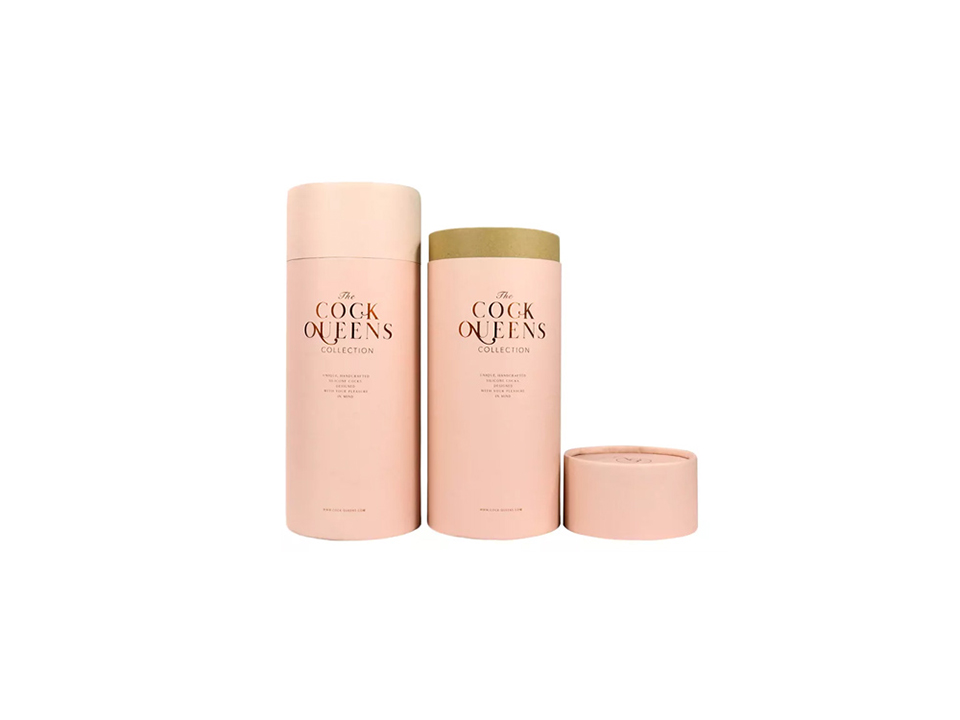
Paper tube box structures are standardized ways a cylindrical cardboard tube is assembled and closed—typically slip-lid, telescoping (three-piece), shoulder/neck, peel-off membrane canister, and metal-lid variants—chosen because they’re repeatable at scale, compatible with common winding methods, and tolerant of real shipping and storage conditions.
If you’re seeing something “new,” it’s usually one of these with a different closure part or insert.
A slip-lid paper tube box is a two-piece system where a cap sleeve slides over the top of a single tube, while a telescoping tube box is a three-piece system where the lid travels deeper over an inner/outer tube arrangement, creating a tighter reveal and more controlled opening geometry.
The trade is simple: telescoping buys presentation, but it punishes sloppy tolerances.
A peel-off lid paper tube canister is a composite closure that uses a membrane (often foil or polymer-laminated) for tamper evidence and barrier control, typically paired with a reusable overcap, making it suitable for powders and aroma-sensitive products that need moisture and oxygen resistance.
Use it when freshness is real, not a slogan—coffee, protein, spice blends, supplements (the stuff that clumps or goes stale).
Sourcing region changes cost and lead time because paper tube packaging relies on multiple upstream inputs—paperboard, adhesives, wraps, liners, and closure parts—so regional differences in input pricing, port reliability, compliance checks, and tariff exposure compound into different landed-cost outcomes and schedule risk.
And in 2024, freight volatility alone was enough to flip “cheapest” into “most expensive after landed cost.”
Child-resistant packaging is packaging designed and tested to significantly reduce the likelihood that children under five can open it within a defined test protocol, while still allowing adults to access it, with U.S. testing procedures set out in 16 CFR 1700.20 for special packaging.
If you’re in regulated categories, treat “CR” like a compliance claim, not a vibe—then point buyers to the right bucket: child-resistant paper tubes.
If you’re choosing between slip lid, telescoping, peel-off, or metal-lid formats, stop arguing about “looks” first. Pick the structure that survives your actual supply chain, then dress it up.
If you want a fast shortlist, browse the closest matches and reverse-map from there: paper canister packaging, tea paper canisters, coffee paper tubes, candle paper tubes, and cosmetics paper tubes.