Stay Updated with Agro Cultures News
Harnessing the Sun’s Endless Power to Sustainably Transform Agriculture
Ready to harness the power of the sun?

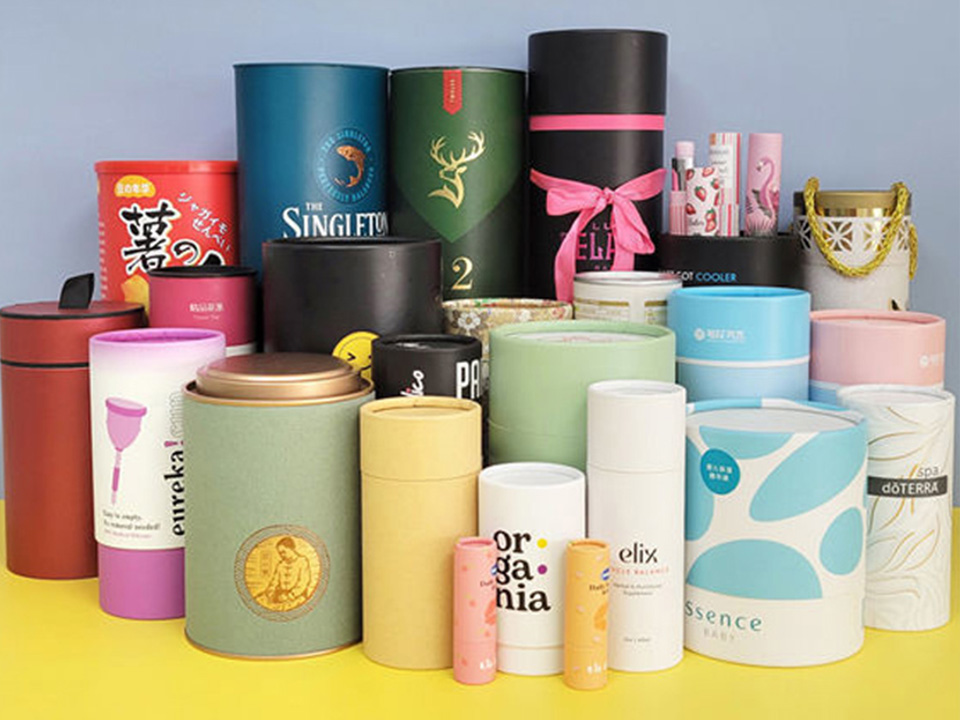
I’ve seen brands “upgrade” nothing—same formula, same SKU count, same ad spend—and still bump conversion just by moving from a flimsy carton into a properly specced paper tube packaging build, because a cylinder photographs like a premium object, survives pick/pack abuse better, and makes customers feel like they bought something engineered. It works. Usually.
But don’t get romantic about it. Paper tubes aren’t magic. They’re picky little systems that punish lazy specs: wrong board caliper, sloppy cap tolerance, weak seam glue, cheap varnish that scuffs in fulfillment, and suddenly your “luxury” tube looks like it was dragged across a warehouse floor (because it was).
Here’s the ugly truth: most teams spend 90% of their energy on artwork and “eco” messaging, then treat barrier, closure, and transit performance as afterthoughts—like they can vibe their way through humidity warp, aroma loss, and drop tests. You can’t.
And consumers? They’re not forensic analysts. They see paper and their brains stamp green on it. That bias has receipts; a 2023 paper in the Journal of Consumer Research digs into how people over-assign environmental virtue to paper-heavy packaging even when reality is complicated.
So, six creative uses—creative, yes, but also practical, shippable, and defensible when your ops lead starts asking why your packaging line item just spiked.
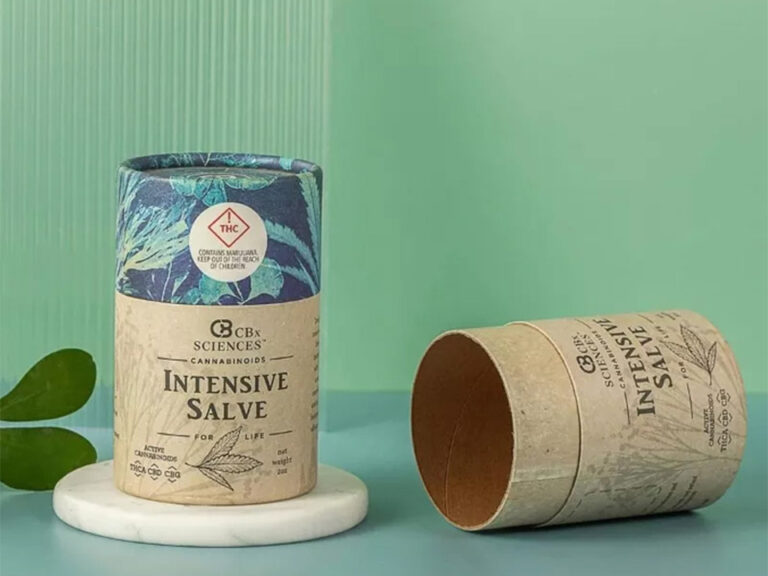
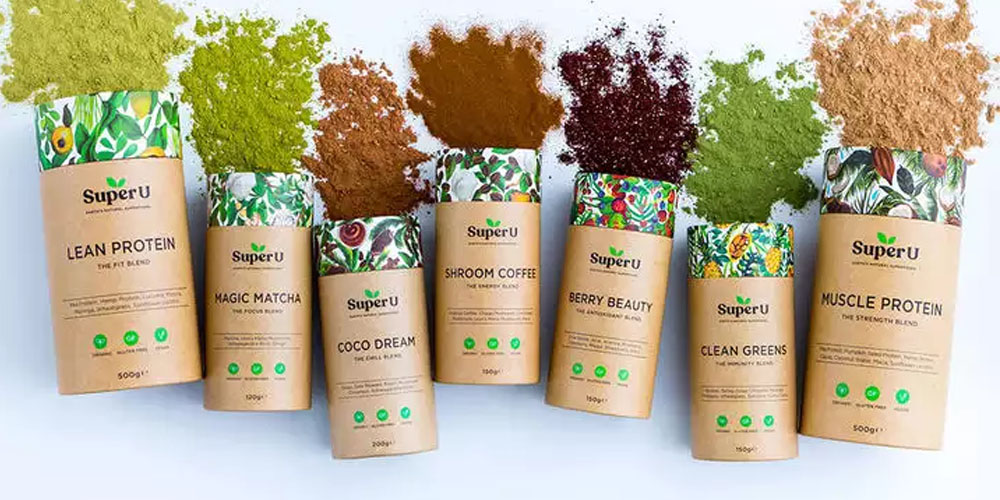
Yet I still watch supplement brands default to stand-up pouches like it’s 2017. Powder products—collagen, mushroom blends, greens—sell better when the container signals routine and control, not “snack bag.” The tube does that, especially with a peel-off lid and a decent inner seal.
From my experience, the spec that behaves best is boring and strict:
And yes—foil liners muddy recyclability narratives. That’s not a moral judgment, it’s physics and infrastructure.
If you’re building internal pathways that match buyer intent, slot these in right when people are thinking “canister, not pouch”:

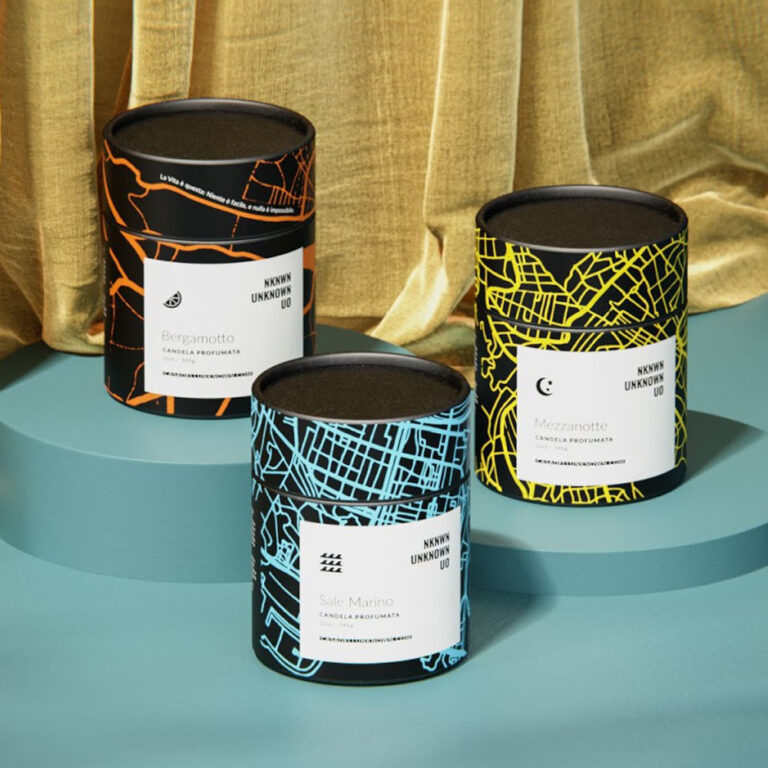
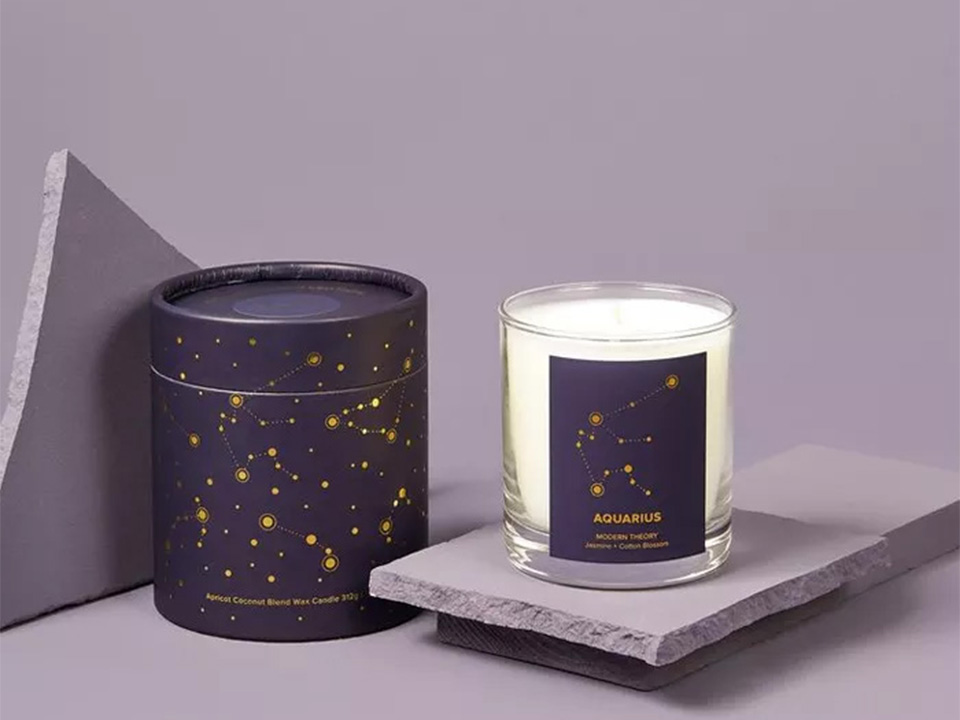
I’ll be blunt: candles are a packaging sport. Heavy-ish glass, easy scuffing, high gifting behavior, and the customer wants the unboxing moment to do half the selling for the next order.
One long sentence, because this is how it actually goes in the real world: when your candle ships through a 3PL that’s speed-running pick/pack, a tube with sloppy friction-fit caps and a glossy finish that fails a basic rub test will show micro-scratches, fingerprinting, and edge bruising within days—then you eat returns, replacement shipments, and angry “arrived damaged” photos that become your brand’s unofficial ad campaign. Painful. Common.
What I’d spec (and I’m picky):
Category fit is straightforward:
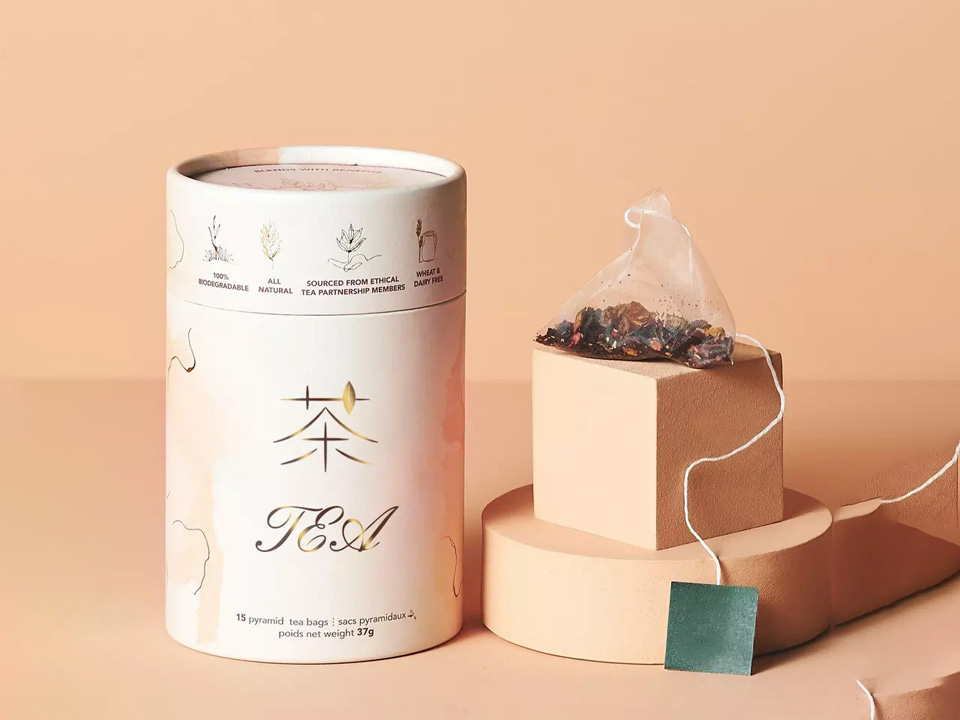
Coffee and tea don’t forgive you. They oxidize. They off-gas. They pick up odors. And paper—plain paper—is not a barrier. It’s a vibe.
Here’s what actually matters: barrier layer + closure integrity. Everything else is costume jewelry.
If you’re serious:
Anecdote time: I once watched a brand celebrate their “new premium tube,” only to find out the closure let aroma bleed during storage; the product still sold, but repeat rate dipped, because customers couldn’t name the problem—they just felt it was “less fresh.”
Internal links that match the buyer’s mental model:
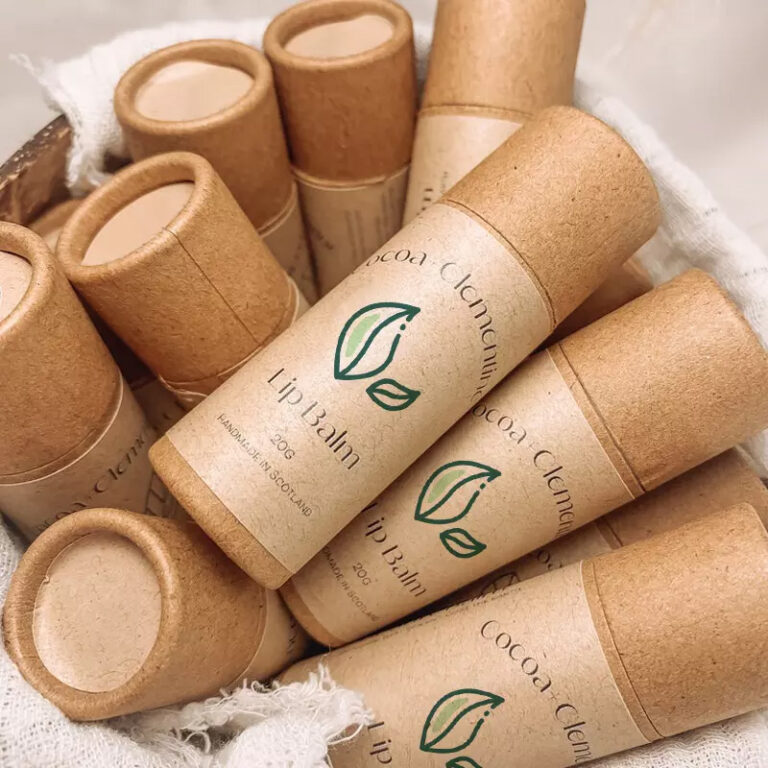
However… cosmetics is where paper tubes stop being a container and start being a mechanism. Twist-up formats exist, but they’re finicky: humidity, friction, formula melt points, and tolerance drift all show up like uninvited guests.
I frankly believe half the “paper deodorant tube failed” horror stories come from brands chasing the aesthetic while ignoring mechanical reality (and then blaming the supplier when it jams). That’s not fair—but it’s what happens.
The market is pushing this direction anyway; packaging innovation chatter in early 2024 kept circling paper-forward formats.
If your site structure needs the right internal doors:
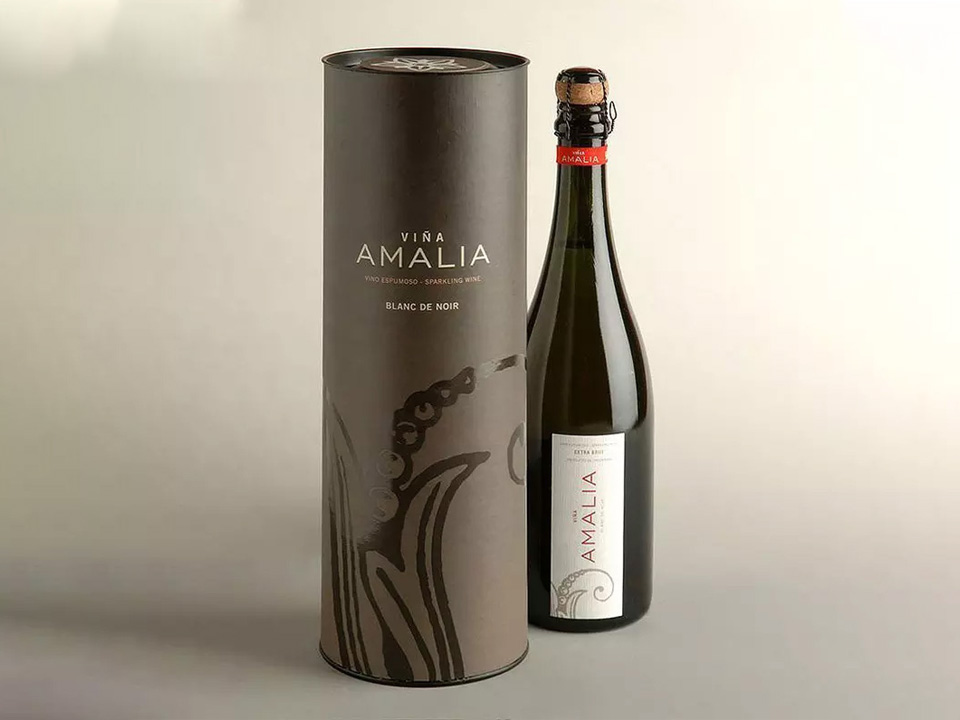
So here’s the weird thing about cylinders: they resist compression better than a lot of light cartons, which means fewer crushed corners and less “warehouse ugliness” by the time it hits the customer’s doorstep.
But. If you’re shipping glass, the tube is not the hero. The insert is.
Do it right:
This internal category link fits cleanly:
Now we’re in grown-up territory. Compliance isn’t “nice to have.” It’s risk management.
If you sell into California, SB 54 is a real operational factor—extended producer responsibility is the kind of policy that quietly becomes a budget line, a reporting headache, and a packaging redesign trigger.
And in Europe, the Council adopted the Packaging and Packaging Waste Regulation in December 2024—waste reduction, reuse targets, and minimization pressure that doesn’t care how pretty your tube looks. (consilium.europa.eu)
So yes, a child-resistant tube can be a brand object and a compliance object. But don’t wing it with vague claims and hope. If you market sustainability, claims enforcement and “recyclable” wording scrutiny are tightening; the legal/advocacy community is not asleep.
Internal link that belongs here (no detours):
I’ve sat in those calls. The buyer says “We want eco-friendly tube packaging,” the brand lead says “We want luxury,” and ops says nothing—because ops knows the MOQ, lead time, rejection rate, and freight damage math is about to ruin everyone’s mood.
Four pressures hit at once:
If you want a “hard truth” takeaway: the cheapest tube is often the most expensive tube after you count rework, rejects, and customer disappointment.
| Region (typical) | Cost level (relative) | Lead time (typical) | Quality consistency (what I see) | Tariff/regulatory exposure (buyer pain) | Best-fit use cases |
|---|---|---|---|---|---|
| China (coastal hubs) | Low–Mid | 25–45 days + ocean | Strong capability, variance by factory | Medium–High (policy/tariff swings) | High-volume food, promo tubes, complex printing |
| Vietnam | Mid | 30–55 days + ocean | Improving fast, fewer “ultra-premium” shops | Medium | Mid-volume lifestyle, simpler finishes |
| India | Low–Mid | 35–60 days + ocean | Great printing at top tier, uneven at low tier | Medium | Kraft tubes, basic closures, value SKUs |
| Eastern Europe / Turkey | Mid–High | 10–25 days (EU), 20–35 (US) | Strong premium finishing options | Medium (depends on route) | EU-focused premium, short replenishment cycles |
| Mexico | Mid | 10–25 days (US) | Solid for simpler builds | Lower for US buyers | Faster turns, lower freight risk |
| US / Canada | High | 7–21 days | Very consistent, great for compliance | Lower for NA buyers | Short runs, regulated claims, quick launches |
Paper tube packaging is a cylindrical container built from wound paperboard (often 1.0–2.0 mm thick) using spiral or convolute construction, then finished with end caps or lids and sometimes inner barrier layers like aluminum foil or film to manage moisture, oxygen, and aroma—so it functions as both protection and premium presentation.
In plain terms: it’s not “just paper,” it’s a stack of spec choices that either behaves… or doesn’t.
Paper tube packaging is eco-friendly only when the complete material set—paperboard, inks, adhesives, liners, and closures—aligns with local recycling/recovery infrastructure and the brand’s claims are narrowly accurate, because barrier layers (like foil) can improve performance while complicating recyclability and consumer-facing disposal guidance.
If your marketing says “recyclable,” make sure your packaging engineer isn’t quietly wincing.
The right closure for cylindrical packaging design is the lid and seal system that preserves product integrity (seal strength, moisture resistance, aroma retention) while surviving handling abuse (cap fit, scuffing, drop impact) and matching user behavior (reclose frequency), typically selecting among friction-fit caps, peel-off lids, metal lids, or multi-layer seal stacks.
I usually pick “function first,” then dress it up—because returns don’t care about your emboss.
Cardboard tube packaging works best for products where premium shelf presence and compression strength matter—candles, tea, coffee, superfood powders, cosmetics sticks, perfumes, and fragile glass—especially when inserts and liners are engineered to prevent rattle, reduce scuffing, and limit oxygen/moisture exposure that degrades product quality over time.
If the product is sensitive, treat the tube like a barrier system, not a poster tube.
Paper tube packaging helps reduce specific shipping damage modes because cylindrical walls distribute compression forces and avoid corner-crush weak points common in light cartons, but it won’t prevent breakage unless the internal fit is engineered (inserts, end padding, seal stacks) and the outer shipper carton is specified for drops, vibration, and stacking pressure.
Translation: the tube can’t save you from lazy inserts.
The biggest mistake in custom paper tube packaging is obsessing over artwork and “eco” positioning while ignoring tolerances, barrier performance, and closure engineering—leading to scuffed tubes, loose caps, aroma loss, warped walls, and claims risk—because cylindrical builds are unforgiving when humidity, friction, and freight handling collide.
Second biggest? Sourcing purely on unit price instead of landed cost + rejection risk (the silent budget killer).
If you’re serious about upgrading to paper tube packaging, don’t start with vibes—start with failure modes (stale, scuffed, crushed, leaking, non-compliant), then spec the tube like you actually expect it to survive the real world. When you’re ready, review custom paper tube packaging services and the brand’s sustainability approach for eco-friendly tube packaging, then reach out via contact the paper tube packaging team with your product specs and target market.
Conclusion: Paper tube packaging is a performance-and-perception tool—done right, it lifts margin, reduces damage, and keeps you ahead of tightening policy pressure; done wrong, it’s an expensive cylinder that scuffs, leaks aroma, and turns your “sustainable” story into a compliance conversation you didn’t plan for.