Stay Updated with Agro Cultures News
Harnessing the Sun’s Endless Power to Sustainably Transform Agriculture
Ready to harness the power of the sun?

But first, a confession: paper tubes are marketing bait until they’re proven in a warehouse, in August humidity, in a crushed master carton, under a forklift driver who does not care about your “premium unboxing narrative,” and that’s exactly where most brands get punched in the face—because they approved a pretty mock, skipped the ugly specs, and then acted surprised when the tube showed up soft, scuffed, or loose-lidded after transit.
It works. Usually.
So what are we building, really? Not “a tube.” We’re building a rigid composite system: spiral-wound or convolute paperboard, a printed wrap that behaves under abrasion, adhesives that don’t creep, and a closure that doesn’t start spinning like a fidget toy after two weeks on shelf—plus, if your product has oils or volatiles, a barrier layer that can’t be a mystery sauce.
You want the hard truth? The “eco” story is getting regulated into adulthood, and in Europe the Packaging and Packaging Waste Regulation pushed through political agreement in March 2024 and hit formal adoption in December 2024, which means lazy packaging decisions are going to get more expensive (financially and reputationally).
Yet brands keep writing “luxury paper tube, matte finish, nice feel” like that means anything.
It doesn’t.
If you don’t define how the thing fails, the factory will quietly default to gift-tube tolerances—thin wall, pretty wrap, low abuse assumption—and you’ll get the kind of defect that’s hard to pin on anyone because it’s “not broken,” it’s just… sad. Mushy. Off.
Ask yourself: where will this tube get bullied—line loading, ocean freight, last-mile, 3PL pick pack, retail staff, customers who open it ten times?
I frankly believe this is the minimum you spec for cardboard tube cosmetic packaging if you’re serious:
And if someone says “we’ll manage quality,” push back: how—AQL, sampling plan, what’s the reject rule, what’s the rework rule?

However, people do the reverse. They design first, then “figure out manufacturing.”
That’s how you get retooling. That’s how you get delays. That’s how you get the factory telling you the wrap seam must land right across your logo.
Common builds (and why they matter):
If you’re anywhere near fragrance, treat the tube like a mini shipping crate—glass + vibration + temperature cycles are a nasty combo. I’d crib structure cues from perfume paper tube packaging formats even if you’re not selling perfume.
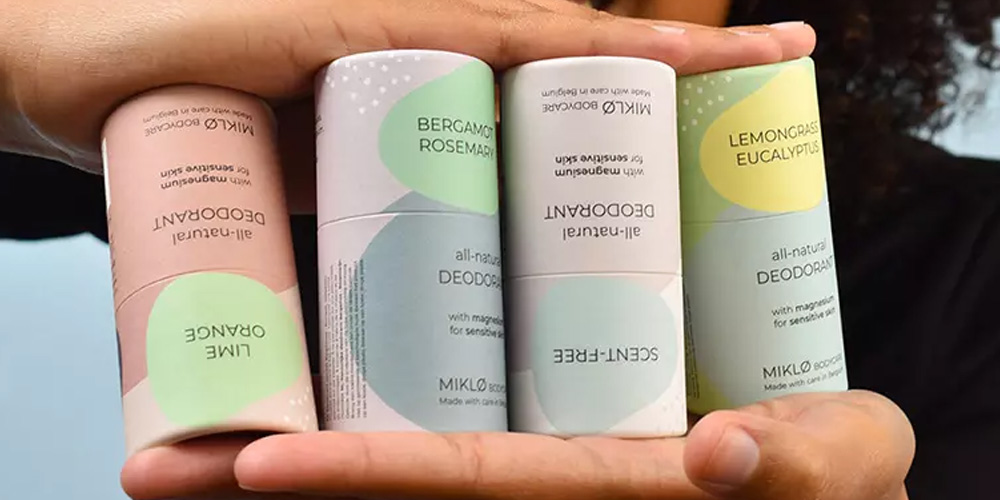
So, paperboard. Sounds simple. It’s not.
Here’s the ugly truth: a tube can be “paper” and still behave like a composite headache once you add coatings, liners, foils, and aggressive adhesives. Regulators and retailers are reading that as “design failure,” not “innovation.”
And the numbers aren’t small. Eurostat reported the EU generated 83.4 million tonnes of packaging waste in 2022—about 186.5 kg per person—which is exactly the kind of stat politicians love when they’re tightening rules.
If you need a narrative and a spec backbone, pull what you can from sustainability commitments and materials approach and translate the feel-good phrases into measurable requirements (FSC %, recycled content %, coating type, separability notes). Don’t leave it vibes-only.
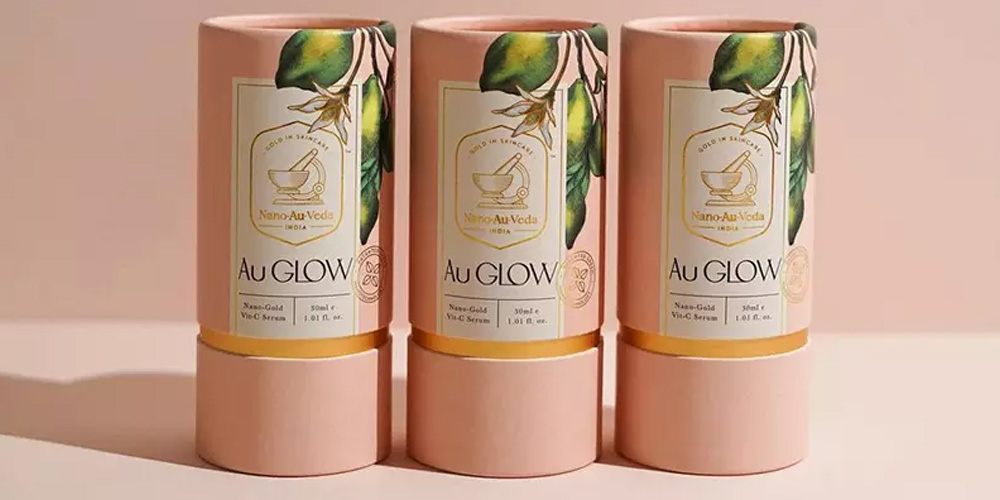
But this is where the “how to create paper tube cosmetics packaging” content online gets cute and dishonest—because it dodges the chemistry.
Balms. Oils. Fragrance. Solvents. Even “natural” essential oils can migrate like they’ve got a personal vendetta against paper fiber.
You need a barrier strategy that matches your formula and your compliance posture:
And no, “our coating is proprietary” is not comforting. It’s a red flag with glitter on it.
The policy wind is blowing toward tighter control of problematic chemistries in packaging, and the EU packaging rules momentum is part of that broader push. If your barrier can’t be named, you can’t defend it later.
Matte is trendy. Matte also scuffs.
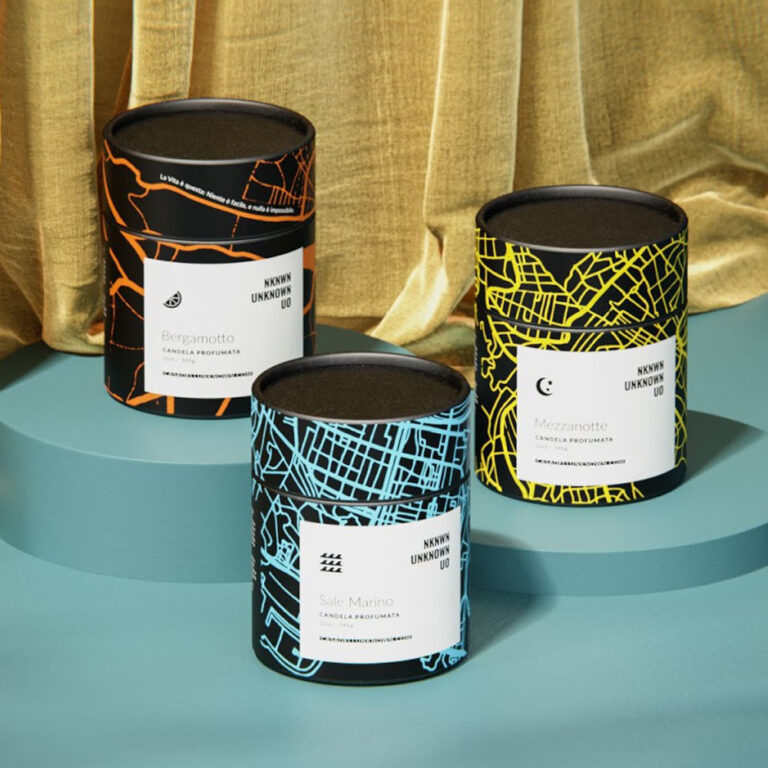
If you want best sustainable cosmetic tube packaging that still looks clean after being handled by real humans, you spec finishes like you’ve been burned before:
Also—color. Cosmetic brands love the “signature beige” that’s somehow different under every light source. Factories love “close enough.” Pick a ΔE tolerance and enforce it or stop pretending it matters.
If you need a stable baseline to start from, use a known structure like standard paper canister style and iterate instead of reinventing the entire format on version one.
Yet everyone obsesses over the tube body… and then slaps on the cheapest lid.
That lid is where complaints are born.
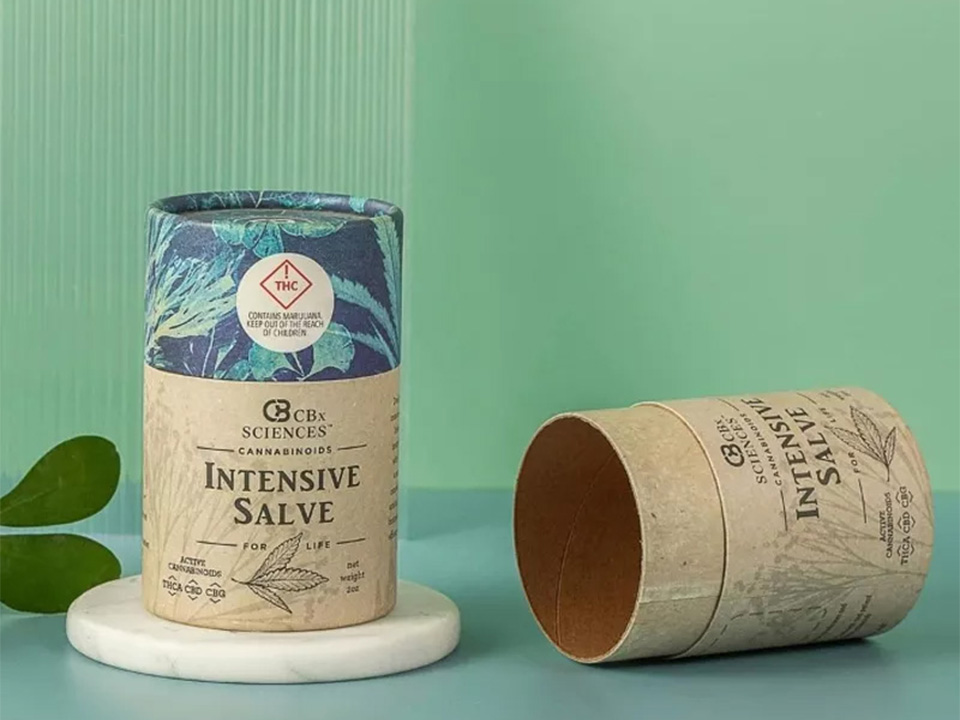
If you’re even adjacent to regulated categories, don’t wing it. Look at mechanical patterns from child-resistant paper tube packaging early—because redesigning a closure after artwork lock is the kind of pain you remember forever.
Now let’s talk about the thing everyone pretends isn’t political: sourcing.
Sourcing location isn’t just cost. It’s lead time behavior, QA culture, tariff exposure, and how fast your supplier “forgets” the spec when peak season hits.
Reuters reported in 2023 that global demand for paper packaging has increased by more than 65% over the last 15–20 years, and when demand spikes, the chaos doesn’t hit evenly—certain mills and converters get overloaded, and suddenly your “standard” lead time turns into a moving target.
Here’s the comparison people actually need (not the brochure version):
| Region | Unit Cost Tendency | Typical Lead Time Reliability | Quality Consistency | Tariff/Trade Exposure | Best Use Case |
|---|---|---|---|---|---|
| China (coastal clusters) | Low–Mid | Medium (can swing hard in peak season) | High if managed; chaotic if not | Higher exposure in many markets | High-SKU, high-decoration, aggressive pricing |
| Vietnam | Mid | Medium–High | Improving; narrower supplier base | Medium | Stable mid-volume programs, simpler builds |
| India | Low–Mid | Medium | Variable by factory tier | Medium | Cost-driven tubes, basic finishing |
| EU | High | High | High | Lower within EU; higher outbound | Premium compliance-first programs |
| North America | High | High | High | Lower domestic; higher imported inputs | Fast replenishment, low freight risk, tight QA |
My take? If you’re launching a hero SKU and you can’t survive a 2% defect spike, stop chasing the “best price.” Buy predictability. Then optimize. The spreadsheet crowd hates that advice. Reality loves it.
So, you’re screening paper tube packaging suppliers.
Don’t ask for “a quote.” Ask for proof. Because a quote is easy; control is hard.
Here’s what I’d demand up front:
If a supplier can’t explain their process without hand-waving, that’s not “a language thing.” That’s a capability thing.
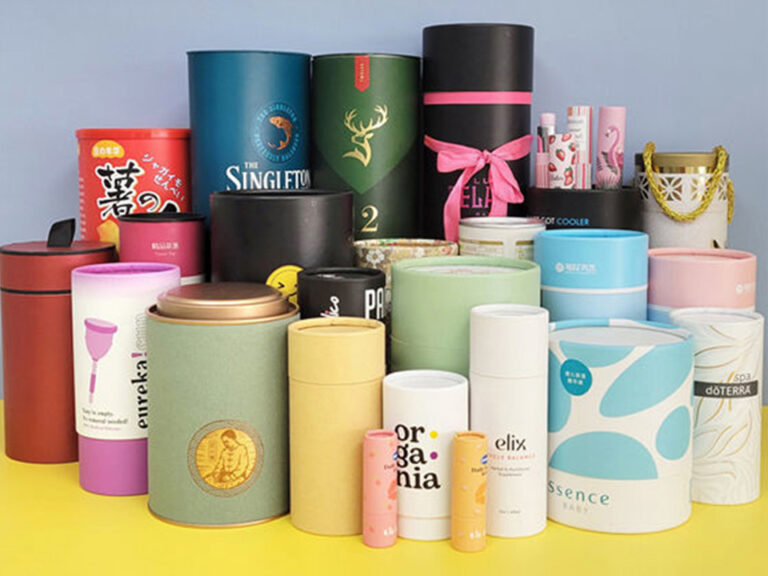
If you want a cleaner track to execution, start with custom paper tube packaging services and force the conversation into specs, testing, and change-control—then use cosmetics paper tube packaging examples as reference points to pin down what “good” looks like.
Paper tube cosmetic packaging is a rigid cylindrical packaging format built from spiral-wound or convolute paperboard, typically combined with a printed wrap, adhesives, and a closure system (paper, metal, or composite), designed to protect and present cosmetic products while balancing durability, branding needs, and recyclability constraints. In plain terms: it’s “paper” plus engineering—crush strength, humidity behavior, lid fit, and chemistry compatibility decide whether it survives real life.
Making paper tube packaging for cosmetics is the industrial process of winding paperboard into a rigid cylinder, curing adhesives, trimming to tight tolerances, applying a printed wrap and protective finishes, adding liners or barrier layers when required, and fitting lids/inserts so the final pack meets protection, appearance, and handling specs. Skip humidity conditioning and transit simulation and you’re basically guessing.
Cardboard tube cosmetic packaging is eco-friendly only when the full build—fiber sourcing, recycled content, inks, adhesives, coatings/liners, and separability—aligns with real collection and recycling systems, and when the design avoids unnecessary composite layers that block recovery and inflate material use. That’s why the EU’s packaging rules emphasize reuse, minimization, and smarter design, not just “paper good, plastic bad.”
The best barrier liner for cosmetics in paper tubes is the option proven—by testing on your exact formula—to prevent oil/fragrance migration and moisture pickup while staying consistent with your compliance and recyclability claims, often using validated water-based coatings or thin functional liners instead of heavy multi-material stacks. If the supplier won’t disclose barrier chemistry, treat it like a risk, not a perk.
Choosing paper tube packaging suppliers by region means weighing unit cost against lead-time stability, QA maturity, compliance documentation, and trade exposure, then selecting the region that matches your defect tolerance and launch timeline rather than defaulting to the lowest quote on the first RFQ round. Premium brands don’t get to run bargain-bin supply chains without paying for it later.
MOQ and lead time for custom paper tube packaging for cosmetics are the minimum order quantity and production timeline driven by tooling, material availability, finishing complexity, and QA/testing requirements, often ranging from a few thousand units for standardized builds to tens of thousands for complex decoration and tight tolerances. The blunt reality: standard diameters and stable artwork reduce MOQs; constant tweaks extend lead times.
But yeah—here’s where I land.
A paper tube isn’t “just packaging.” It’s a fragile little system of tolerances, adhesives, coatings, and assumptions, and if you don’t spec it like you mean it, the supply chain will happily hand you something that looks fine on day one and falls apart on day thirty.
Start with proven structures in cosmetics paper tubes, lock the spec, then use custom paper tube packaging services to translate that spec into materials, testing, and production controls. When you’re ready to price and source, go straight to contact the manufacturer and bring your spec sheet—not a moodboard.