Stay Updated with Agro Cultures News
Harnessing the Sun’s Endless Power to Sustainably Transform Agriculture
Ready to harness the power of the sun?

But let me start where procurement people actually start: the first time a customer posts a photo of a dented box and writes “cheap packaging,” your “brand story” evaporates, your CS team gets spicy, and suddenly everyone remembers packaging is the product’s bouncer, not a decoration. It works. Usually.
I’ve watched brands spend weeks arguing about Pantone blacks while ignoring the one thing customers touch—lid fit, seam integrity, that little “thunk” when a tube closes like it means business. You can’t A/B test your way out of bad caliper and sloppy winding.
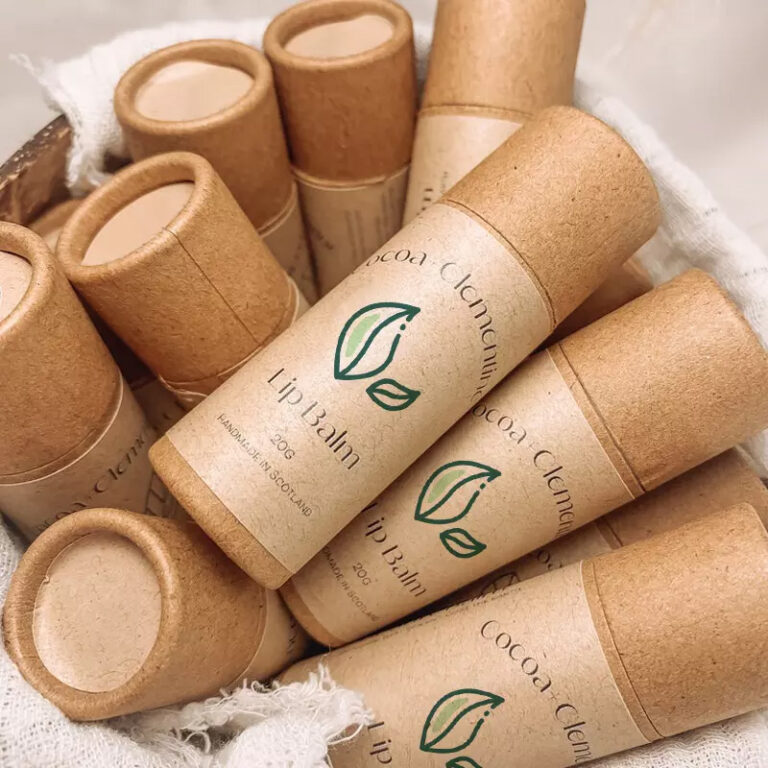
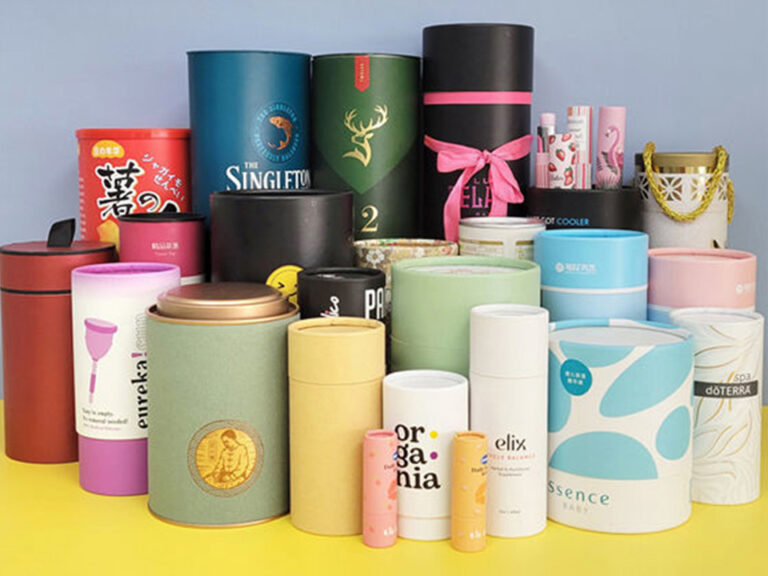
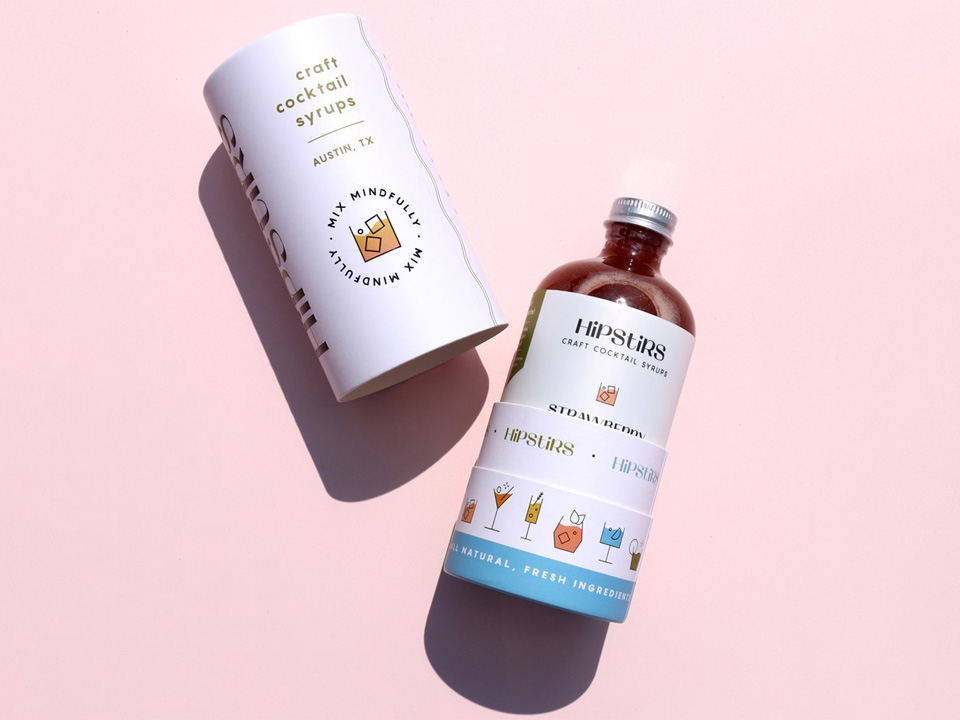
So why do consumers like paper tubes so much? Not because they read sustainability reports. Because the cylinder feels expensive (even when it’s not), survives the “toss it in a tote bag” test, and doesn’t telegraph “discount shelf” the way flimsy cartons sometimes do.
Yet. Here’s the ugly truth the industry tiptoes around: a lot of “Paper Tube Packaging” is paper in the same way a burrito is “just tortilla”—the inside can be foil, polymer barrier, hot-melt glue, maybe a metallized layer if you’re chasing aroma retention, and suddenly your recyclability claim gets… squishy.
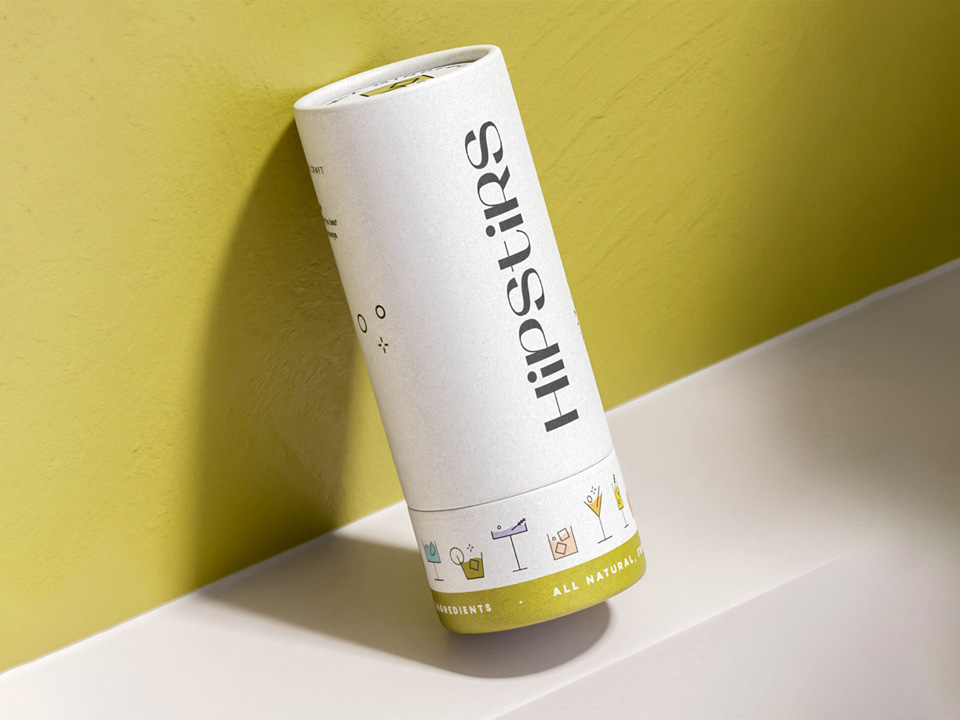
I once sat in a sample room and did what real customers do: squeeze, twist, drop, sniff. No fancy lab coat. Just hands and annoyance.
Rigid cylinders resist crush better than most folding cartons, full stop—especially when you’re shipping glass, jars, or anything that loves to rattle itself into shards. The consumer payoff is boring but real: fewer dents, fewer leaks, fewer “why is this dusty?” moments when a lid shifts in transit.
A 40-word truth: when a tube has tight tolerances, a clean lap seam, and a lid that doesn’t wobble, the buyer subconsciously reads it as “premium,” and that one sensory cue can outweigh every spec claim on your website, even if the materials are only mid-grade. Three words: They remember.
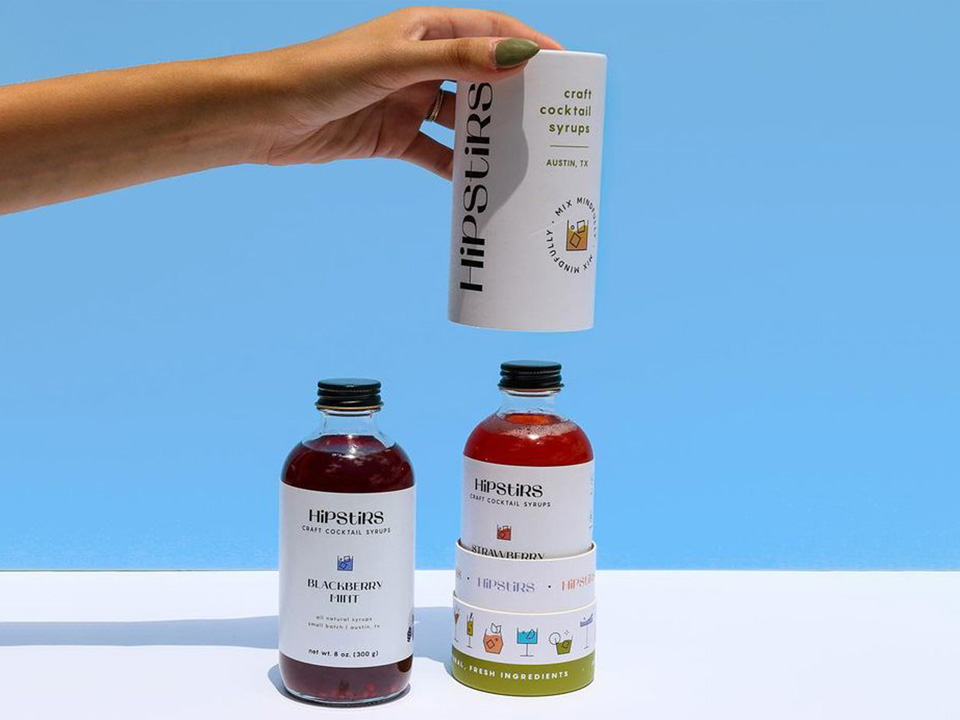
And don’t underestimate the “gift factor.” Tubes photograph well. They stand up in a cabinet. They don’t collapse when you pull them out ten times.
Now—about perception. It’s not fair, but it’s consistent.
In a 2023 Journal of Consumer Research study, researchers showed a “paper = good, plastic = bad” bias where paper wrapping can make people judge packaging as more environmentally friendly even when the plastic content doesn’t change.
And a separate 2023 study found consumers perceived food in paper packaging as healthier than the same food in plastic, and it even reduced consumption amounts. Wild, right? But it’s documented.
That’s the consumer benefit in plain English: paper cues trust. Whether it “deserves” it is a different conversation.
However… I frankly believe a lot of “eco-friendly” talk is just copywriting with a leafy icon.
Because once you move from mono-material fiber to a composite structure (foil liner + polymer barrier + aggressive coatings), you’re choosing performance—and performance is expensive in recyclability terms. Pulp mills aren’t magic. MRFs don’t lovingly peel layers apart because you wrote “recyclable” on the side.
And there’s a broader supply chain issue people don’t like saying out loud: when companies flee plastic without thinking, they can pile pressure onto fiber and forests. Reuters spelled this out in 2023—companies were urged to “think outside the box” on the paper rush.
So here’s my blunt framing, the one I use with clients who want honesty, not applause:
If you need a quick internal gut-check, compare your basic paper canister with any foil-lined food application. Different beast. Different story. Same cylinder shape, sure—different reality.
Yet brands love a clean fight: paper vs plastic. Good vs evil. Easy deck slides.
Reality is messier. Plastic often wins on barrier and weight. Paper often wins on feel and trust. Both can be over-sold. Both can disappoint.
If you want to talk like an insider: stop arguing ideology and start arguing failure modes.
Coffee and tea? You’re not selling a container—you’re selling aroma. That means barrier layers, tight lids, and consistency across runs. Consumers don’t say “OTR” or “WVTR,” but they absolutely notice “this tastes flat.” If you’re serious, your coffee paper tubes content should lean into performance (real barrier logic), not just green vibes.
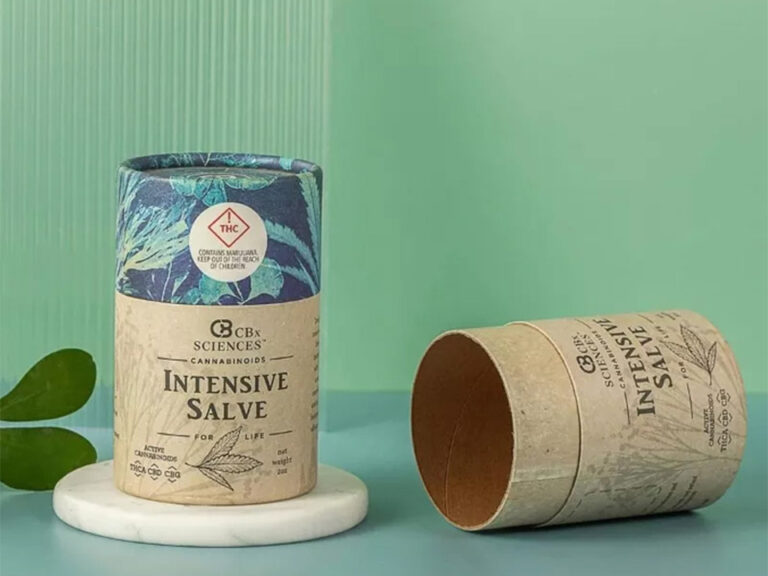
Cosmetics? People buy with their hands and eyes first. Tubes protect glass droppers better than flimsy cartons, and they don’t wrinkle on shelf. That’s why Cosmetics paper tubes work even when the sustainability story is imperfect.
Regulated or safety-sensitive stuff? Child resistance isn’t a feature. It’s a liability shield and a consumer safety expectation. Don’t bury that. Use child-resistant tubes as the evidence trail.
And yes—people can be fooled by paper cues. That “paper-wrapped plastic feels cleaner” effect isn’t hypothetical; it’s sitting right there in the consumer research.
So let’s get practical. This is where the mood-board crowd usually goes quiet.
If you’re selling into the EU, packaging rules aren’t just “nice to follow.” A new EU packaging and packaging waste regulation was adopted late 2024 and formalized as regulation text—meaning it’s not a suggestion.
And if you import into the U.S., tariff exposure still matters. Section 301 has been a moving variable for China-origin goods for years, exclusions come and go, and the risk isn’t theoretical when you’re pricing a product line.
Now the table—procurement baselines, not fairy tales. One factory can break these patterns, but the averages exist for a reason.
| Manufacturing region | Unit cost trend (relative) | Typical production lead time | Typical freight + customs lead time | Quality consistency (typical) | Tariff/regulatory exposure (typical) | What I’d source here |
|---|---|---|---|---|---|---|
| China (coastal hubs) | Lowest–Low | 15–30 days | 20–45 days (ocean) | Medium–High (depends on QA) | Higher US tariff uncertainty (Section 301 risk) | High-SKU variety, complex finishing, aggressive MOQs |
| Vietnam | Low–Mid | 20–35 days | 22–50 days (ocean) | Medium | Lower than China in some tariff scenarios (case-specific) | Mid-complexity tubes, stable repeats |
| India | Low–Mid | 25–45 days | 25–55 days (ocean) | Medium (variance by plant) | Case-specific | Kraft-heavy tubes, cost-sensitive programs |
| Eastern Europe (EU-adjacent) | Mid–High | 15–30 days | 3–10 days (road) | High | Lower EU compliance friction | EU-bound runs, shorter replenishment cycles |
| Mexico | Mid | 15–30 days | 3–12 days (truck to US) | Medium–High | Lower US import friction vs overseas | North America speed, smaller batches |
| US / Western Europe | Highest | 10–25 days | 1–7 days | Highest | Lowest regulatory surprise (local) | Premium, fast turns, “no excuses” quality |
From my experience, the sourcing mistake that burns brands isn’t “paying too much per unit.” It’s paying cheap, then hemorrhaging money in rework, missed launch windows, and silent reputation damage because lids don’t fit and tubes delam after two weeks in humidity.
But the “best” shops aren’t magical. They’re disciplined.
They don’t just print wraps. They control failure points that non-specialists don’t even know exist: seam drift, telescoping, lid wobble, glue odor, scuffing, coating crack at the rim, and the classic nightmare—printed wrap alignment that looks fine on one batch and off by 2 mm on the next.
Here’s what separates the grown-ups from the chaos merchants:
If you want your site to sound credible, stop writing like a brochure and tighten the operational claims on custom services and sustainability. Name materials. Name tradeoffs. Say what you won’t claim. That’s what professionals trust.
What is paper tube packaging? Paper tube packaging is a cylindrical container made primarily from paperboard or kraft-based fiber layers, typically formed by spiral or convolute winding and finished with an outer wrap plus a lid system; it may be mono-material fiber or a composite that includes aluminum foil, polymer liners, coatings, and adhesives for barrier performance.
What are the main paper tube packaging benefits for consumers? Paper tube packaging benefits for consumers include better crush resistance than thin cartons, stronger perceived product quality through rigid “premium” handling, improved freshness confidence when paired with tight lids or seals, and easier shelf recognition; in many categories, consumers also perceive paper packaging as healthier or more environmentally friendly than plastics.
Is eco-friendly paper tube packaging always recyclable? Eco-friendly paper tube packaging is recyclable only when the structure is largely fiber-based and compatible with local sorting and pulping systems, while composite tubes that use aluminum foil liners, polymer barriers, heavy coatings, or complex adhesives often reduce recyclability because the materials don’t separate cleanly in conventional recycling processes.
Paper tube packaging vs plastic: which is better? Paper tube packaging vs plastic is a tradeoff where paper usually wins on tactile quality, shelf appeal, and consumer trust signals, while plastic often wins on lightweight barrier performance and moisture resistance; the “better” choice depends on what failure is unacceptable—stale product, leaks, damage in transit, or credibility problems from over-claiming sustainability.
How do I choose a paper tube packaging supplier? To choose a paper tube packaging supplier, evaluate their ability to control materials, tolerances, and compliance documentation across repeat runs, including lid fit consistency, seam integrity, adhesive specs, and barrier-layer rationale, while also benchmarking region-driven variables like lead time, tariff exposure, and QC transparency through samples, audits, and production trials.
If you want this to land with consumers (and not come back as returns), don’t redesign everything—run one ruthless pilot: pick a SKU, spec the structure honestly, test lid fit across batches, and decide what claims you can defend without squirming.
Start with your best-fit format pages—like kraft paper tubes or paper canister options—then get a real quote and sample plan moving through Contate-nos.