Stay Updated with Agro Cultures News
Harnessing the Sun’s Endless Power to Sustainably Transform Agriculture
Ready to harness the power of the sun?

I’ve sat in too many packaging reviews where everyone falls in love with the shape—that tidy cylinder, that “premium” feel—and then, two weeks later, the same team quietly approves a foil liner and a metal end because the product was staling, clumping, or picking up odor in transit. Three words: spec creep wins.
But okay. Let’s be fair. Paper tubes can be legitimately better than a lot of formats. Sometimes they’re just cosplay.
Here’s the ugly truth: “eco-friendly paper tube packaging” is not a material. It’s a stack of choices—fiber, adhesives, coatings, liners, lids, freight lanes, compliance paperwork—and one bad choice can wreck the end-of-life story while the outside still looks Instagram-clean.
So when someone asks me, “Are paper tubes eco-friendly?” I don’t answer with a slogan. I answer with questions. Annoying ones.
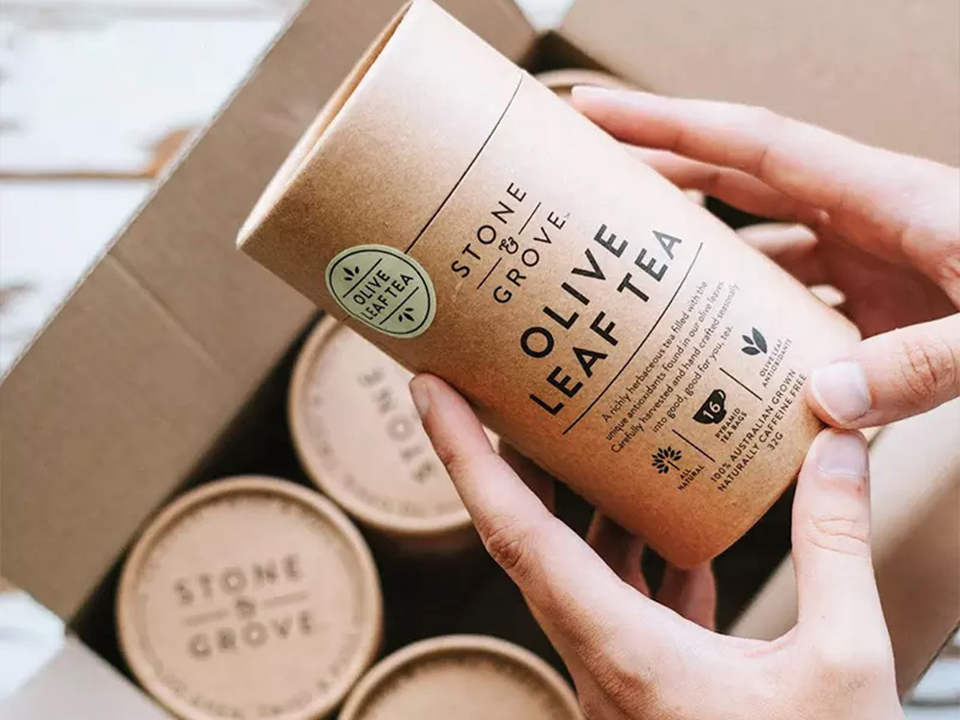
What’s it made of—really? Not “paper.” Not “cardboard.” I mean: what’s the body, what’s the liner, what’s the lid, what’s the label stock, what’s the glue system, what’s the coating chemistry, and can any of it come apart without a fight?
If what remains is mostly paperboard fiber (recycled or responsibly sourced virgin), bonded with a sane adhesive system, printed without plastic film lam, and closed with paper-based ends—then “eco-friendly” starts to mean something; if it’s paperboard plus foil plus tinplate plus polymer rings plus a soft-touch laminate, you’ve got a composite masquerading as a mono-material. It fails. Often.
And yeah, “kraft” doesn’t save you. Kraft is just unbleached vibes unless the construction behaves in a pulper.
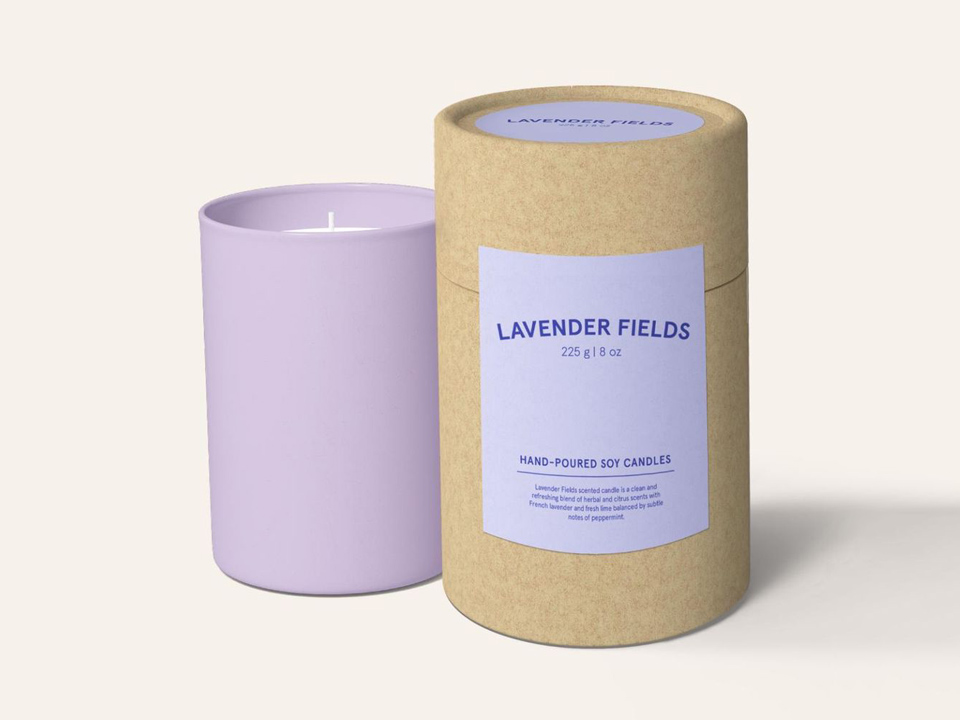
Most tubes are spiral-wound paperboard. Good. Efficient. Mature converting tech. Then the add-ons show up.
Ends and closures are where the pack turns into a Frankenstein: paperboard discs (nice), metal lids (common), plastic overcaps (also common), sometimes a plug or inner collar that never gets removed because nobody knows it’s there. You’d be shocked how often that hidden inner piece is the whole problem.
And the “barrier” story? That’s the real battlefield. Aluminum foil liners show up for aroma and moisture. Polymer films (PE, EVOH) show up when someone wants shelf-life insurance. Dispersion coatings show up when the spec-writer is trying to keep it fiber-forward without blowing up performance. It’s all trade-offs. No saints here.
If you’re in food-ish categories—coffee, tea, supplements, oils—the barrier pressure is not theoretical. It’s daily life. That’s why coffee paper tube packaging tends to drift toward higher barrier guts even when the outside screams “sustainable,” and why a lot of paper canister packaging builds end up quietly composite unless you police the BOM like you mean it.
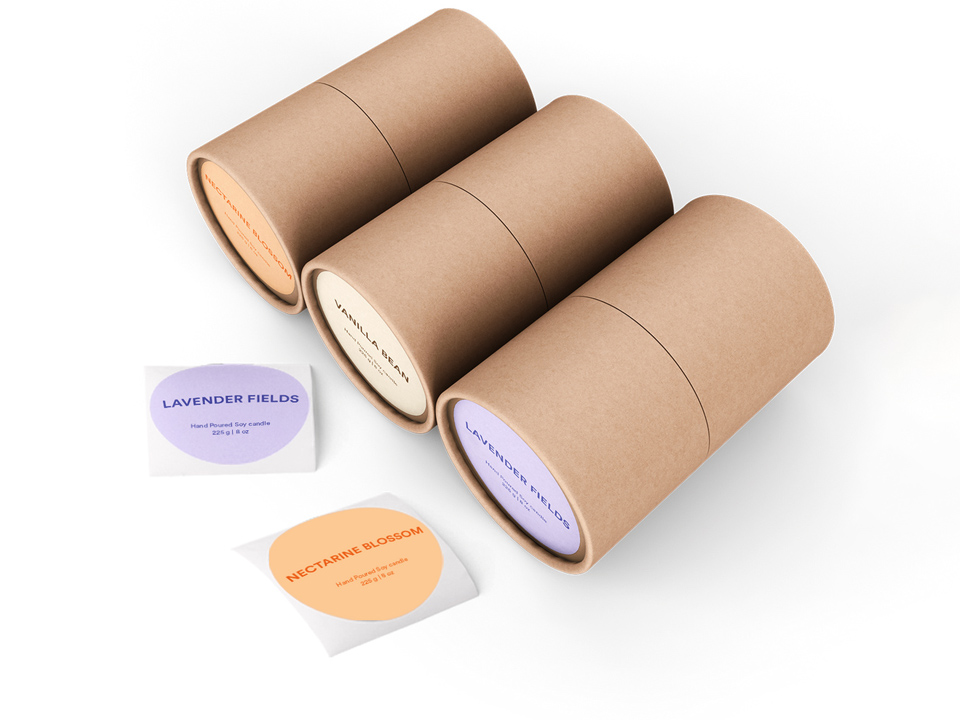
People mash these terms together. It drives me nuts.
Recyclable is a systems question—collection, sorting, pulping, yield, residue. Biodegradable is chemistry-plus-environment (and “eventually” is doing a lot of work there). Compostable is certification + conditions + time, and if you slip in the wrong coatings or a stubborn hot-melt bead, compostability becomes a marketing line instead of an outcome.
Want a blunt filter? If the tube has bonded foil or plastic film lamination, don’t call it a clean recycling win without qualifiers. That’s not me being dramatic—that’s basic materials reality.

MRFs don’t read your website. They read behavior.
A tube that includes aluminum foil lining or permanent metal closures often behaves like mixed-material packaging in real sorting systems. That doesn’t mean “never use it.” It means stop pretending it’s automatically curbside-friendly in every market. (Because it isn’t.)
Here’s what I ask for when I’m not in a polite mood:
If a supplier can’t answer those cleanly, I frankly believe they either don’t control their process—or they’re hoping you won’t ask.
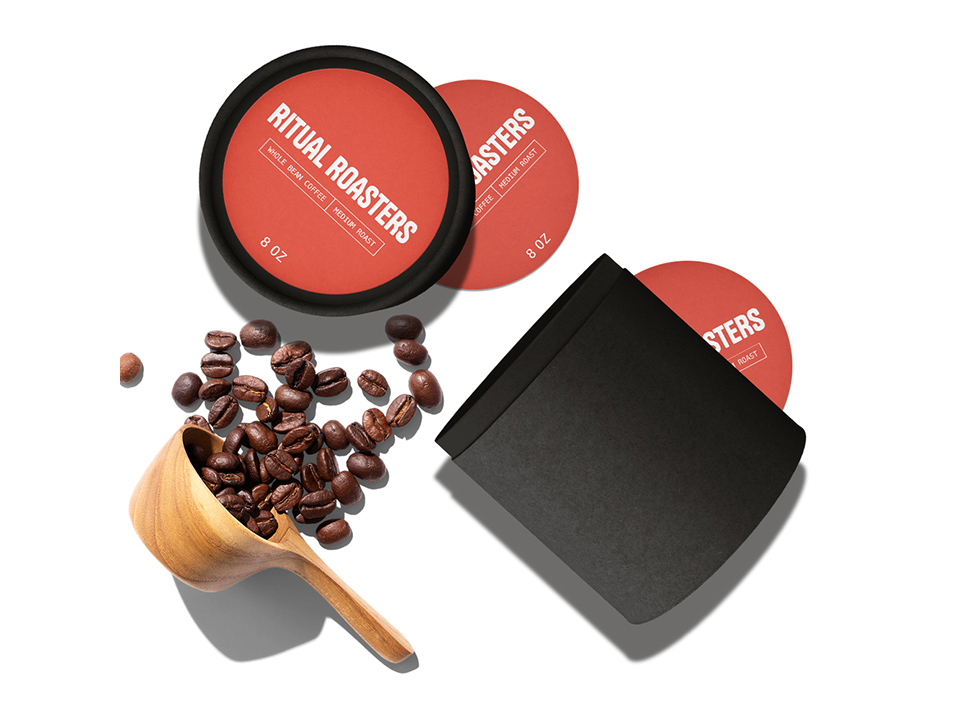
But laws don’t vibe. Laws count.
In the EU, lawmakers reached a provisional agreement on a new packaging regulation in March 2024, with stronger waste-reduction and recyclability direction; even when targets focus heavily on plastic recycled content, the design-for-recycling message hits every format, including fiber-based packs that pretend they’re automatically “good.” consilium.europa.eu
In the US, packaging EPR is becoming operational, not philosophical. Minnesota’s packaging EPR law passed in May 2024, explicitly covering packaging and paper products—meaning “it’s paper, relax” turns into reporting, targets, fees, and audits that don’t care how pretty your tube looks on a shelf. pca.state.mn.us
So when you say eco-friendly, you’re increasingly making a claim that procurement, compliance, and regulators can interrogate. Good.

Yet sourcing is where the eco math gets wrecked quietly.
I’ve seen brands specify a fiber-forward tube, then offshore it, then accept “equivalent” substitutions—different coating, different adhesive, different liner—because the factory is optimizing for throughput, damage-rate, and lead-time stability, not for your sustainability narrative. That’s not evil. It’s just how converting plants operate when the spec isn’t locked down. Messy. Predictable.
And then there’s freight. And tariffs. And quality drift. And the little reality that overseas builds sometimes get extra “insurance layers” (foil, metal, double walls) because claims are expensive and nobody wants a container of crushed packs.
If you sell regulated formats—like child-resistant paper tubes—you’re basically living in compromise territory. Safety features can drag in plastics and multi-part closures. Pretending otherwise is fantasy.
Here’s the comparison I keep coming back to when someone says “just source it wherever.”
| Manufacturing region | Typical unit cost trend | Typical lead time (door-to-door) | Quality consistency | Tariff / policy exposure | Eco risk pattern I see |
|---|---|---|---|---|---|
| China (coastal hubs) | Low–mid | 4–8 weeks | High with audited plants | Higher US trade sensitivity; changing compliance | Composite defaults (foil/metal) creep in fast |
| Vietnam | Low–mid | 5–9 weeks | Improving, varies by plant | Moderate | More variation in adhesives/finishes unless controlled |
| India | Low–mid | 6–10 weeks | Mixed; strong in print, variable QC | Moderate | Great paper options, but specs drift without tight SOPs |
| Eastern Europe | Mid | 2–5 weeks (EU) | High | Strong EU compliance pressure | Better recyclability-by-design discipline |
| Mexico | Mid | 1–3 weeks (US) | Mixed | Lower freight, policy varies | Good for shortening shipping, needs materials discipline |
| US / Canada | Mid–high | 1–3 weeks | High | High regulatory visibility | Better documentation; higher price but fewer “mystery layers” |
Numbers sound definitive. They aren’t.
In the EU, the overall packaging recycling rate in 2023 was reported at 67.5% by Eurostat—close to the bloc’s 2030 target direction, but still leaving a lot of packaging outside the loop. ec.europa.eu
In the US, American Forest & Paper Association reported 2024 recycling rates of 60–64% for paper and 69–74% for cardboard—useful context when someone claims “paper always gets recycled.” afandpa.org
And LCAs? Oh man. LCAs are where smart people can disagree honestly—or where bad actors can cherry-pick assumptions. A 2024 meta-analysis in the Journal of Cleaner Production flagged why packaging LCAs disagree so often: system boundaries, end-of-life assumptions, and whether studies follow ISO 14040/14044 discipline. Translation: if you’re handed a one-page “LCA result” without scope and method, treat it like marketing. sciencedirect.com
Okay—here’s how I’d keep myself honest:
If you’re trying to build a repeatable system (not a one-off “green” SKU that drifts), tie it to your operating process: start with custom paper tube packaging services and make sure what you publish publicly on your sustainability page doesn’t get undercut by silent material swaps.
Eco-friendly paper tube packaging is packaging where the tube body and closures are predominantly paper-based, responsibly sourced or recycled, minimally coated, and designed so common recycling or composting systems can actually process it without being blocked by foil liners, plastic films, or permanent metal parts. In practice, “eco-friendly” also means right-sizing, reducing components, and documenting materials for EPR reporting.
Paper tubes are recyclable when they behave like paperboard in sorting and pulping—meaning no plastic film lamination, no bonded foil liner, and closures that are paper-based or easily removable so the remaining fiber can be recovered in standard paper recycling streams. If the tube is a composite (foil + metal + paper), recyclability becomes location-dependent and often drops sharply.
Biodegradable paper tube packaging is fiber-based packaging that can break down via microbial activity, while compostable paper tube packaging is specifically engineered and certified to disintegrate and biodegrade within defined time and residue limits under industrial or home compost conditions. The catch: adhesives, coatings, and liners decide whether the claim is real or just technically defensible.
Kraft paper tube packaging is typically unbleached paperboard packaging that may signal fewer chemical bleaching steps, but environmental performance depends far more on recycled content, coatings, liners, closure materials, and transport distance than on the kraft look itself. Kraft can be a good choice when it avoids lamination and keeps construction mono-material.
Paper tube packaging is greener than plastic packaging when the tube is right-sized, mostly fiber, locally recyclable, and not overloaded with barriers; plastic can outperform when it uses very little material, avoids contamination, and achieves high recovery in a deposit or closed-loop system. The real answer is conditional—any “always” claim is sales talk, not analysis.
Verifying eco claims means requiring a component-level bill of materials (body, liner, adhesive, ink, closure), documented recycled content and certifications, and clear end-of-life instructions matched to your target markets—then auditing samples to confirm what’s actually inside the tube. If they won’t provide liner type, adhesive system, and closure materials in writing, assume the green story is fragile.
If you want “eco-friendly paper tube packaging” to survive procurement scrutiny and an EPR-style reporting mindset, stop buying the label and start buying the spec. Build one core tube architecture (fiber-forward, minimal components), then only add barriers or fancy closures when shelf-life or safety forces it. And if you need a clean starting point, start with paper canister formats that match your product category and lock the rules into your ordering templates.
Conclusion: Paper tubes aren’t automatically clean. But they can be. The “eco” version is deliberately boring—less foil, less metal, fewer coatings that feel nice but behave badly, tighter sourcing controls, and documentation that survives contact with reality.